
EPISODE · Jan 29, 2026 · 1 MIN
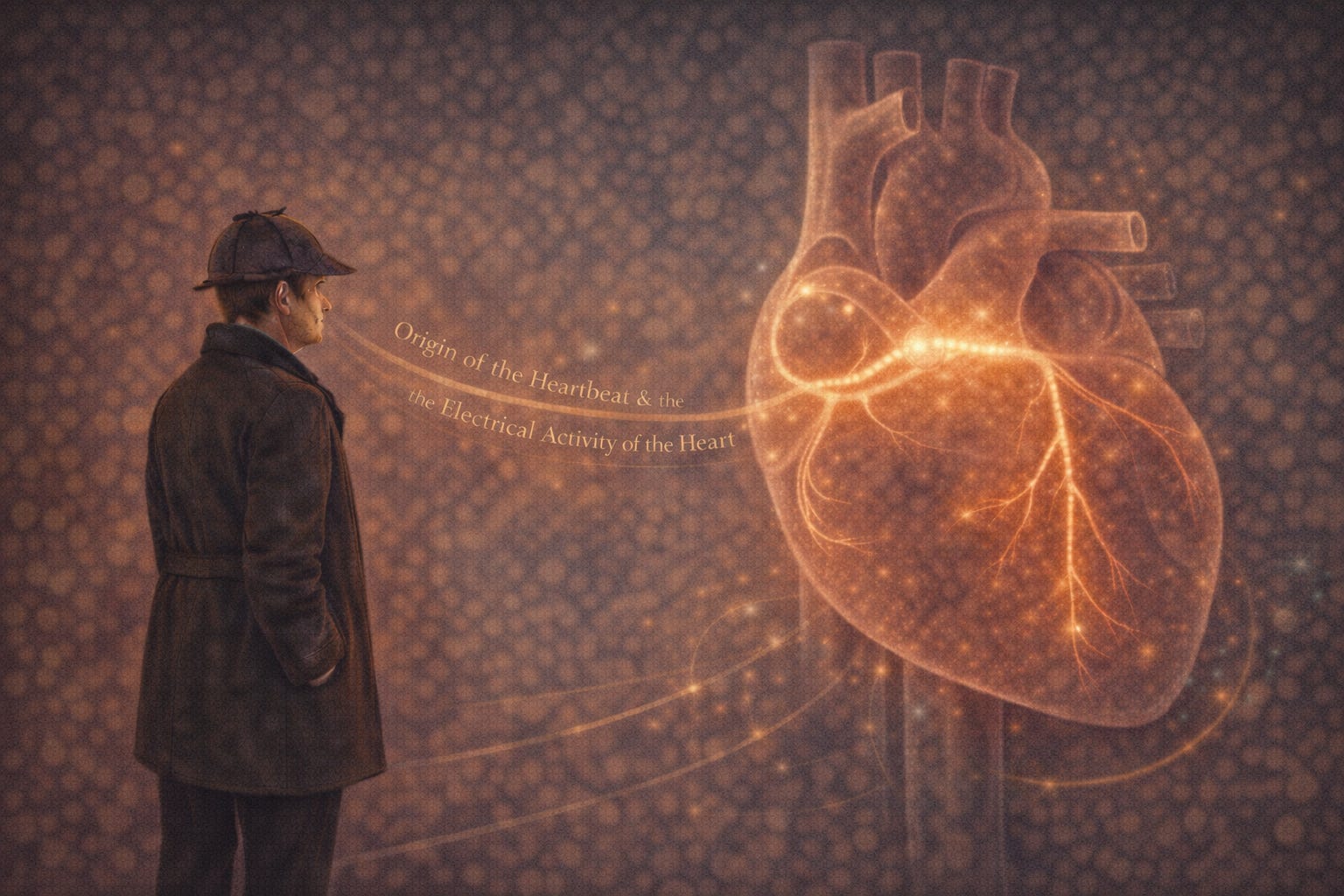
Physio 29: Origin of the Heartbeat & the Electrical Activity of the Heart
from Clinical Deep Dives · host Dr Manaan Kar Ray
This is a free preview of a paid episode. To hear more, visit drmanaankarray.substack.comUnlike skeletal muscle, the heart does not require permission to act. Its rhythm arises from specialised tissue capable of spontaneous electrical activity—precise, reliable, and endlessly repeating.In this episode, Medlock Holmes investigates how the heartbeat originates and propagates through the heart’s electrical conduction system. We explore pacemak…
Embed this episode
Ready to play
Physio 29: Origin of the Heartbeat & the Electrical Activity of the Heart
No transcript for this episode yet
Similar Episodes
No similar episodes found.
Similar Podcasts
No similar podcasts found.