
EPISODE · May 16, 2022 · 16 MIN
Pictured Rocks: Michigan's Climate Refuge (Part 8)
from Hometown History · host Shane Waters
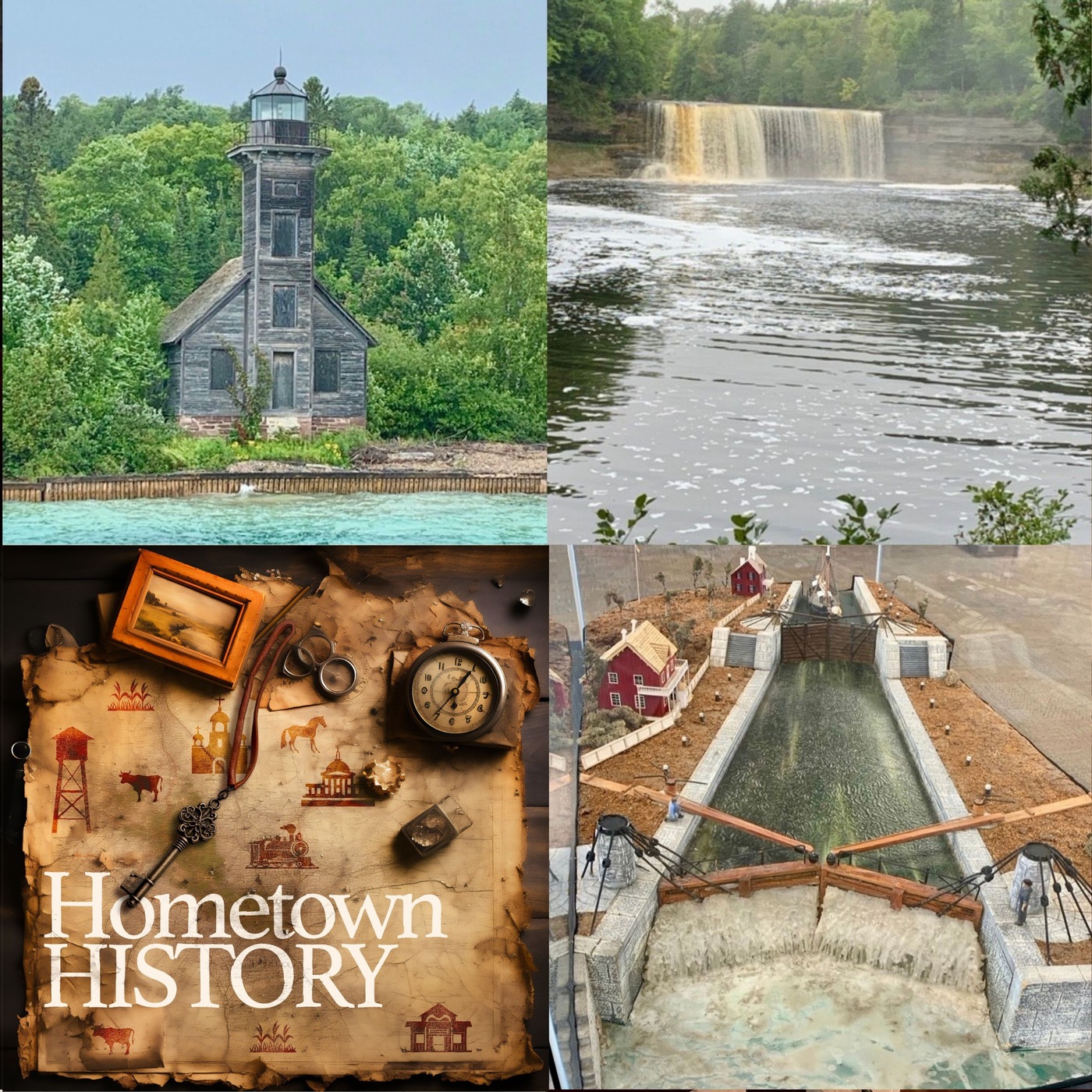
The mineral-stained cliffs of Pictured Rocks rise 200 feet above Lake Superior in colors you wouldn't believe, iron oxide reds, copper greens, manganese browns, and limonite whites. But here's the twist: this remote corner of Michigan might be more than just beautiful. According to Science Digest, Sault Ste Marie in the Upper Peninsula is projected to be the best place to live in America by 2100.Shane explores the engineering marvel of the Soo Locks, where 10,000 ships annually find their way through a 21-foot water elevator between Lake Superior and Lake Huron. He visits Tahquamenon Falls, survives a boat tour that tested his stomach, and discovers why this rust belt region of 13,000 people could become an apocalyptic oasis when Miami and Los Angeles are facing ecological collapse.From Ernest Hemingway's favorite fishing spot to a 350-year-old border town split between two countries, this episode reveals why geographic isolation and freshwater abundance might be the ultimate survival strategy. The very things that make the UP challenging today could make it invaluable tomorrow.Subscribe to Hometown History for forgotten American history stories every week. New episodes release Tuesdays.Show Notes: Why mineral-stained cliffs create a natural masterpiece in colors most rocks don't haveThe 21-foot "water elevator" that moves 10,000 ships per year between the Great LakesScience Digest's surprising prediction about the best American city to live in by 2100Ernest Hemingway's favorite rainbow trout fishing spot along an international borderHow a rust belt city of 13,000 could become an apocalyptic oasis when coastal cities collapseThe unexpected kindness of Jamie at a Paradise motel during a sold-out weekendKey Figures:Ernest Hemingway - Called St. Mary's River "the best place in the world to fish for rainbow trout"Audrey (Soo Locks Visitor Center guide) - Explained the engineering of the Great Lakes water bridgeTimeline:1668: Sault Ste Marie founded (third-oldest continuous US settlement)1814: British burn White House and Capitol during War of 18121815: Border established between US and Canada, splitting Sault Ste Marie1995: Edmund Fitzgerald bell raised from 530 feet depth in Lake Superior2100: Projected climate refuge status for Upper PeninsulaLocation: Upper Peninsula Michigan - Pictured Rocks National Lakeshore, Tahquamenon Falls State Park, Sault Ste Marie, ParadiseTags: Upper Peninsula Michigan, Pictured Rocks, Sault Ste Marie, Michigan history, Soo Locks, Great Lakes history, climate change history, American history, local history, true story, forgotten history, Tahquamenon Falls, Lake Superior, engineering history, War of 1812, Edmund Fitzgerald, climate refugeCategory: HistoryChapter Markers: 0:00 - Introduction: The Pictured Rocks Boat Tour (And Why There Are No Photos) 2:30 - The Mineral Masterpiece: Understanding the Colorful Cliff Faces 5:00 - Paradise Lost (And Found): The $39.99 Motel Miracle 8:00 - Tahquamenon Falls: Where Rivers Rhyme with "Phenomenon" 11:00 - The Soo Locks: Engineering Marvel of the Great Lakes 14:30 - Sault Ste Marie: The Border Town That Science Says Will Save Us 17:30 - Why 2100 Changes Everything: Climate Refuge Analysis 19:30 - Conclusion: An Invitation to the Future Oasis Hometown History explores forgotten stories from small-town America. The overlooked events, hidden triumphs, and buried tragedies that shaped the country we live in. New episodes every Tuesday. Find every episode at mythsandmalice.com/hometown-historyAdvertising Inquiries: https://redcircle.com/brandsPrivacy & Opt-Out: https://redcircle.com/privacy
Embed this episode
NOW PLAYING
Pictured Rocks: Michigan's Climate Refuge (Part 8)
No transcript for this episode yet
Similar Episodes
No similar episodes found.
Similar Podcasts
No similar podcasts found.