POEM FROM TAMIL LITERATURE - A TALE OF ETHICS  episode artwork

EPISODE · Jul 8, 2024 · 2 MIN

POEM FROM TAMIL LITERATURE - A TALE OF ETHICS

from BEYOND THE OBVIOUS · host Purushothaman C

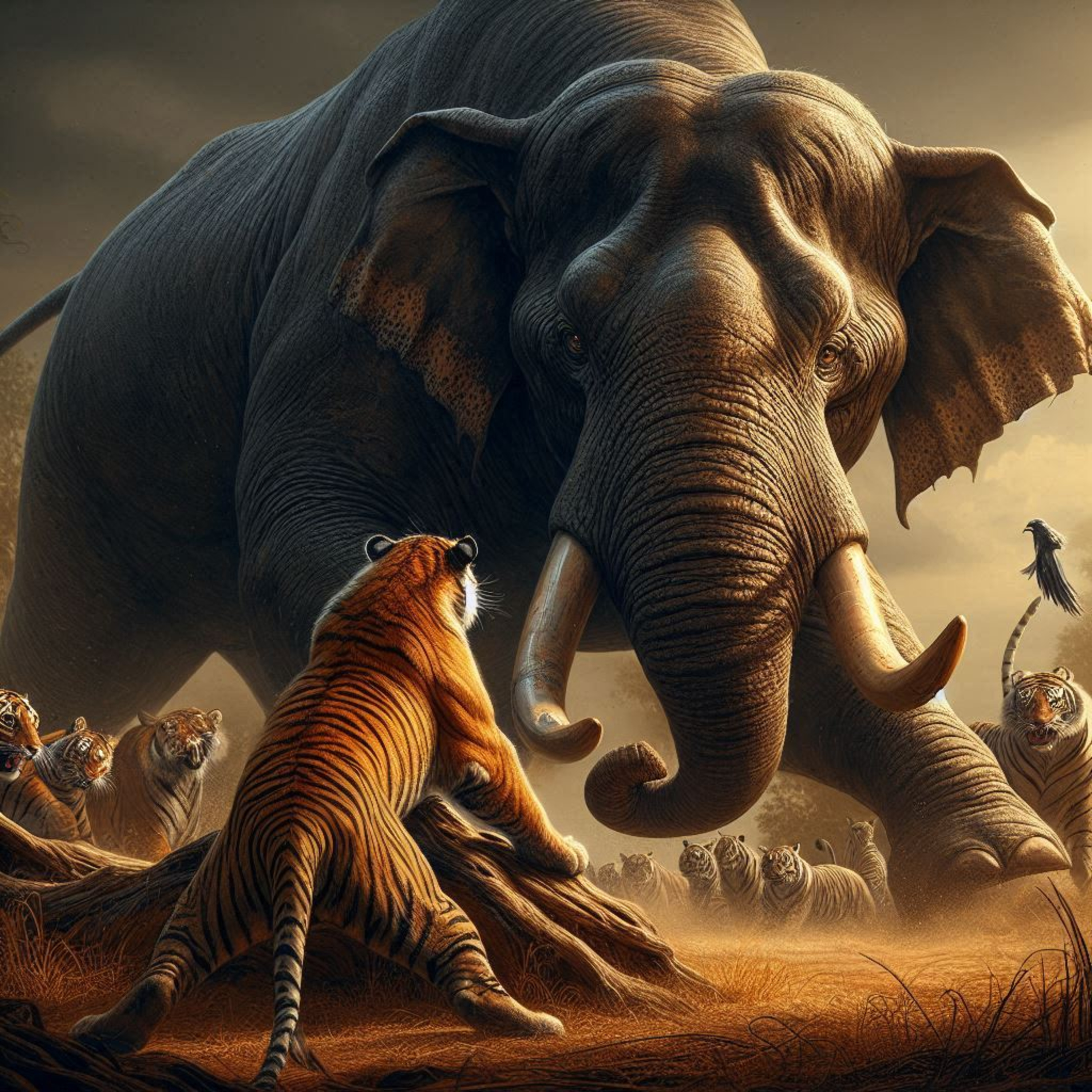
ABOUT THE POEM: The poem A TALE OF ETHICS intricately compares human behaviors to those of animals, drawing parallels between rats in rice fields and men who hoard wealth selfishly, akin to the rat's instinct to steal grain. It contrasts these with tigers, which symbolize strength and nobility in their hunting prowess. Tigers are depicted as creatures of honor, withholding from eating if their prey falls to the left, and only feasting after successfully taking down an elephant bull that falls to their right. The poem advises against aligning oneself with those who exhibit rat-like tendencies of greed and deception. Instead, it extols the virtues of associating with individuals who demonstrate the patience, dignity and honor akin to tigers in their pursuits. The imagery of the hunt serves as a metaphor for ethical conduct and integrity in human relationships, urging the reader to seek out friendships built on principles of honor and moral fortitude. In essence, the poem contrasts two types of individuals: those who resemble rats, hoarding wealth selfishly without regard for others, and those who emulate tigers, hunting with dignity and restraint. The rat symbolizes greed and deceit, stealing when opportunity arises and lacking moral integrity. In contrast, the tiger represents pride and honor in hunting, exemplifying patience and strength. The poem advises against associating with rat-like individuals and encourages forming bonds with those who embody the noble traits of tigers emphasizing the importance of integrity and dignity in friendships and actions. A TALE OF ETHICS  A rat in a rice field waits, Till the crops are ripe to steal. Hoards grains behind closed gates, In his hole, the rat makes his meal. Some men are like these rats, Hoarding wealth without shame. Avoid such men, cunning and sly, They taint friendship's name. Befriend men like tigers bold, Hunting with honor and pride. If their prey falls left, they withhold, Boar untouched, hunger their guide. Starving one day, they strive, With a roar, the next hunt right. Felling elephant bulls, they thrive, Men of dignity, in friendship's light.

ABOUT THE POEM: The poem A TALE OF ETHICS intricately compares human behaviors to those of animals, drawing parallels between rats in rice fields and men who hoard wealth selfishly, akin to the rat's instinct to steal grain. It contrasts these with tigers, which symbolize strength and nobility in their hunting prowess. Tigers are depicted as creatures of honor, withholding from eating if their prey falls to the left, and only feasting after successfully taking down an elephant bull that falls to their right. The poem advises against aligning oneself with those who exhibit rat-like tendencies of greed and deception. Instead, it extols the virtues of associating with individuals who demonstrate the patience, dignity and honor akin to tigers in their pursuits. The imagery of the hunt serves as a metaphor for ethical conduct and integrity in human relationships, urging the reader to seek out friendships built on principles of honor and moral fortitude. In essence, the poem contrasts two types of individuals: those who resemble rats, hoarding wealth selfishly without regard for others, and those who emulate tigers, hunting with dignity and restraint. The rat symbolizes greed and deceit, stealing when opportunity arises and lacking moral integrity. In contrast, the tiger represents pride and honor in hunting, exemplifying patience and strength. The poem advises against associating with rat-like individuals and encourages forming bonds with those who embody the noble traits of tigers emphasizing the importance of integrity and dignity in friendships and actions. A TALE OF ETHICS  A rat in a rice field waits, Till the crops are ripe to steal. Hoards grains behind closed gates, In his hole, the rat makes his meal. Some men are like these rats, Hoarding wealth without shame. Avoid such men, cunning and sly, They taint friendship's name. Befriend men like tigers bold, Hunting with honor and pride. If their prey falls left, they withhold, Boar untouched, hunger their guide. Starving one day, they strive, With a roar, the next hunt right. Felling elephant bulls, they thrive, Men of dignity, in friendship's light.

NOW PLAYING

POEM FROM TAMIL LITERATURE - A TALE OF ETHICS

0:00 2:47

No transcript for this episode yet

We transcribe on demand. Request one and we'll notify you when it's ready — usually under 10 minutes.

No similar episodes found.

No similar podcasts found.

Frequently Asked Questions

How long is this episode of BEYOND THE OBVIOUS?

This episode is 2 minutes long.

When was this BEYOND THE OBVIOUS episode published?

This episode was published on July 8, 2024.

What is this episode about?

ABOUT THE POEM: The poem A TALE OF ETHICS intricately compares human behaviors to those of animals, drawing parallels between rats in rice fields and men who hoard wealth selfishly, akin to the rat's instinct to steal grain. It contrasts these with...

Can I download this BEYOND THE OBVIOUS episode?

Yes, you can download this episode by clicking the download button on the episode player, or subscribe to the podcast in your preferred podcast app for automatic downloads.
URL copied to clipboard!