
EPISODE · Dec 23, 2024 · 4 MIN
POEM FROM TAMIL LITERATURE - HANDS OF VALOR AND HANDS OF GRACE
from BEYOND THE OBVIOUS · host Purushothaman C
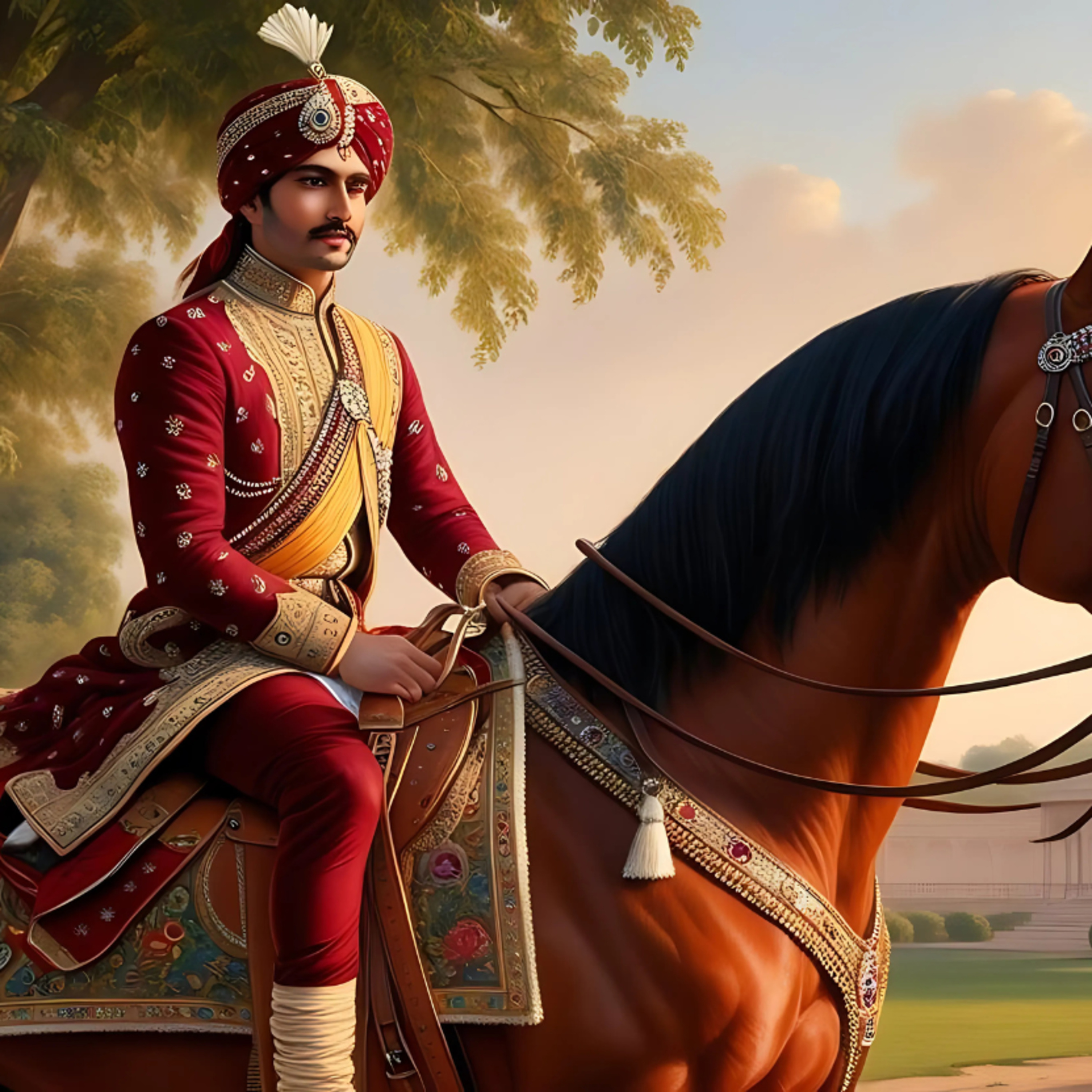
ABOUT THE POEM: The poem HANDS OF VALOR AND HANDS OF GRACE unfolds as a dramatic contrast between two personas: one, a warrior of indomitable strength and heroic valor, and the other, a speaker with a life shaped by softness and simplicity. It explores themes of power, purpose, and the nature of one’s role in life. Here's the elaborate gist: Heroic Valor and StrengthThe poem begins with a vivid depiction of a warrior in action. This figure is a paragon of strength and skill, capable of breaking the mighty gates of a fortress with unwavering force. Riding a battle-elephant adorned with golden ornaments, the warrior demonstrates exceptional courage and mastery, using a gilded goad to drive the beast forward.As the siege unfolds, the warrior displays tactical brilliance—overcoming trenches and breached defenses, pulling warhorses into action, and ensuring that no obstacle stands unchallenged. From his chariot, he draws a powerful bow, launching arrows with precision, bringing enemies to their knees. His victories bring him glory and the spoils of war, rare treasures bestowed upon comrades and followers.The Softness of the Speaker’s LifeIn stark contrast, the speaker reflects on their own life, where no such strength resides. Their hands, described as soft and delicate, stand as a metaphor for a life devoid of physical toil or martial pursuits. This softness, however, is not without cause.The speaker attributes their condition to a life consumed by a singular, unglorified endeavor: preparing and consuming food. They vividly recall the simple act of roasting meat over a fire, savoring its aroma mingled with the spices of curries and side dishes. This sustenance, provided to them, was their sole occupation, leaving no room for learning a craft or engaging in labor that might have toughened their hands or spirit.Underlying ThemesThrough this juxtaposition, the poem meditates on the duality of human roles and the meaning of strength. The warrior embodies the heights of physical prowess and societal contribution, celebrated in tales of conquest. The speaker, by contrast, represents the everyday individual, whose life revolves around sustenance and survival, leading to a quiet and unheroic existence.Yet, the speaker does not lament but accepts their reality with a subtle self-awareness. Their "softness" becomes a lens through which we examine how each life path, though contrasting, contributes to the broader fabric of human existence.Ultimately, the poem questions how we define strength, purpose, and fulfillment, leaving room for readers to ponder their own place in this spectrum of human endeavors. HANDS OF VALOR AND HANDS OF GRACE To break the fortress gate’s forbidding bar,The gilded goad commands the raging beast,With thrusts that strike and wounds that rage afar. The trench is cleaved; the water’s flow decreased,The warhorse pulled to cross the breached divide,While foes on high from archers' aims are fleeced. The bowstring draws with strength, its power tried,An arrow flies to claim its target’s fall,The victor stands, his spoils of war supplied. With treasures rare, he doth his peers enthrall,Yet lo, my hand is soft, bereft of might,For tender works alone do I recall. The meat you roasted over the fire’s bright light,Its fragrant smoke, the spice, the curry’s hue,I toiled for naught but food, both day and night. No craft I learned, no skill I sought anew,Thus softness lingers, born of toil unwise,A hand unused to what the strong hands do. PURANANURU 14 POET: KAPILARPATRON: CHERAMAN SELVAKKADUNGO VAAZHIYATHAN
Embed this episode
NOW PLAYING
POEM FROM TAMIL LITERATURE - HANDS OF VALOR AND HANDS OF GRACE
No transcript for this episode yet
Similar Episodes
No similar episodes found.
Similar Podcasts
No similar podcasts found.