POEM FROM TAMIL LITERATURE - SHIVA: THE ETERNAL GOD  episode artwork

EPISODE · Nov 11, 2024 · 3 MIN

POEM FROM TAMIL LITERATURE - SHIVA: THE ETERNAL GOD

from BEYOND THE OBVIOUS · host Purushothaman C

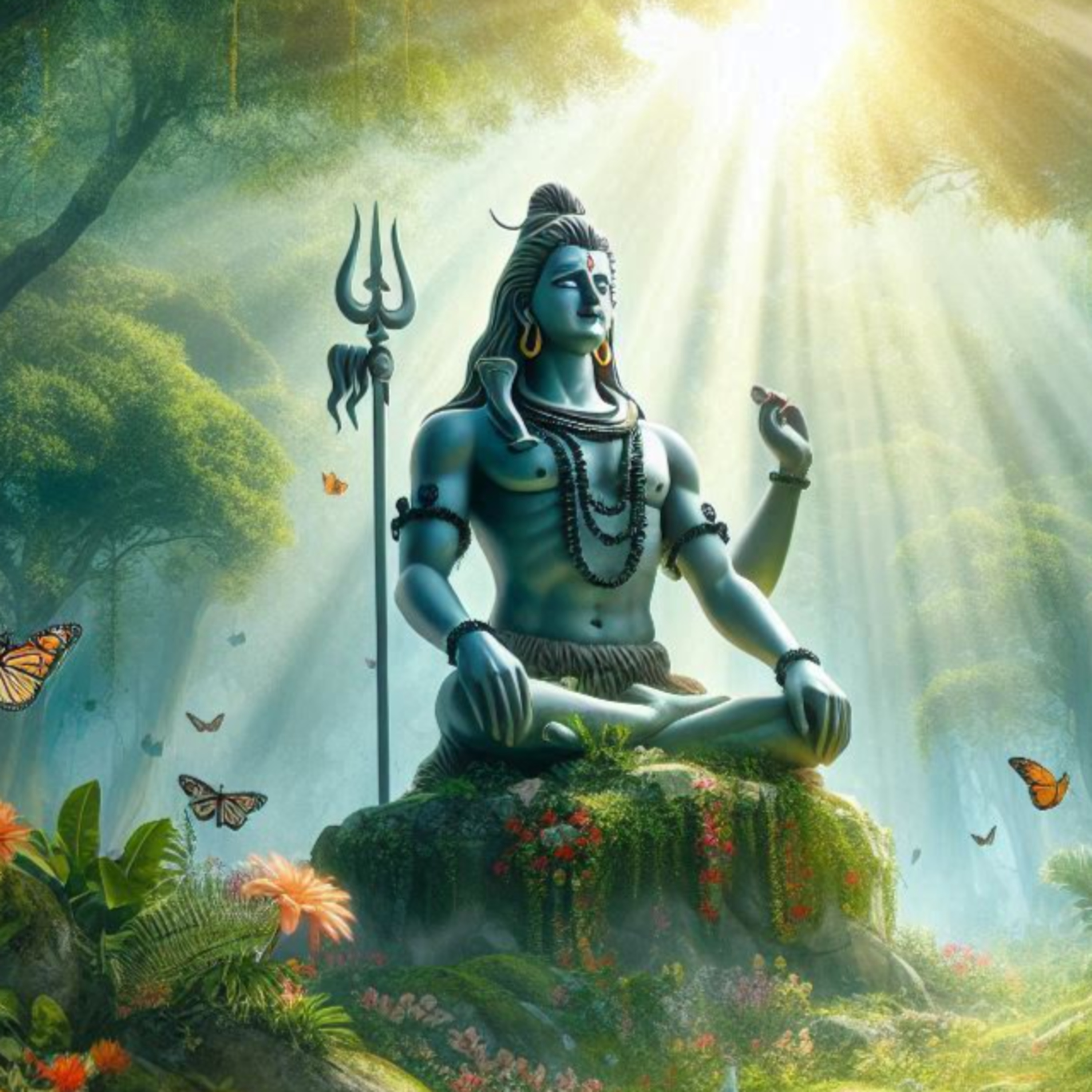
ABOUT THE POEM: This poem  SHIVA: THE ETERNAL GOD paints a rich and reverent portrait of Lord Shiva, a complex deity in Hindu mythology celebrated for his power, wisdom and mysterious, multifaceted nature. Through a series of symbolic descriptions, the poem captures the divine aspects and attributes associated with Shiva, illustrating his transcendence, strength, and compassion. The poem opens by detailing Shiva’s adornment with the Kondrai flowers, sacred blooms that grace his head and chest, emphasizing his deep connection to nature and spirituality. The bull—both his mount and the symbol on his flag—embodies his might and groundedness, representing Shiva’s role as the protector and provider of strength. Shiva’s blue throat, marked by a poison he selflessly consumed to save the world, is revered by Brahmins as a symbol of his courage and sacrifice. This "blemish," ironically a mark of purity, underlines the paradoxes in his persona: both fearsome and compassionate. Another layer to his divine duality is illustrated through the image of Ardhanarishvara—Shiva as both male and female, concealing within himself the goddess Parvati. This union signifies the integration of masculine and feminine, embodying the cosmic balance of creation. The crescent moon on his forehead, revered by eighteen classes of divine beings (devas), illuminates his connection with celestial forces and his role as the protector of life itself. Shiva’s water vessel, the garagam, overflows eternally, symbolizing his control over the primordial element. His low-plaited hair, carrying undying waters, shows his restraint and asceticism. In a final vision, Shiva’s posture in penance is a powerful image of his devotion, wisdom, and balance—a deity at once embodying energy, serenity and timelessness. This poem encapsulates the poem's exploration of Lord Shiva’s multifaceted nature—his strength, compassion, asceticism and the cosmic balance he embodies. It reflects both his role as a protector and his union of contrasting elements. SHIVA: THE ETERNAL GOD The god adorned with Kondrai blooms so fair,   Who wears this flowered garland on his chest,   And rides a white bull through the scented air. His flag, with the symbol of a bull impressed,   Displays his strength; a stain upon his throat,   From poison borne, by Brahmins is caressed. Within his form, a woman's figure floats,   Half-hidden in his being, kept with grace,   While crescent moon on the forehead ever glows. Eighteen celestial beings bow in place,   To worship that crescent with reverence true,   Protector he, of every form and face. A vessel held with water's endless flow,   In locks unbound, in low-plaited array,   While he in timeless penance ever grows. NOTE:  1. Kondrai - Cassia fistula, also known as golden shower, purging cassia, Indian laburnum is a flowering plant in the family Fabaceae. 2. Brahmin: The term "Brahmin" comes from the Sanskrit word brahman which means "prayer" or "the universal soul". Brahmins are believed to represent the eyes and mind of Brahma, the Hindu god of creation.

ABOUT THE POEM: This poem  SHIVA: THE ETERNAL GOD paints a rich and reverent portrait of Lord Shiva, a complex deity in Hindu mythology celebrated for his power, wisdom and mysterious, multifaceted nature. Through a series of symbolic descriptions, the poem captures the divine aspects and attributes associated with Shiva, illustrating his transcendence, strength, and compassion. The poem opens by detailing Shiva’s adornment with the Kondrai flowers, sacred blooms that grace his head and chest, emphasizing his deep connection to nature and spirituality. The bull—both his mount and the symbol on his flag—embodies his might and groundedness, representing Shiva’s role as the protector and provider of strength. Shiva’s blue throat, marked by a poison he selflessly consumed to save the world, is revered by Brahmins as a symbol of his courage and sacrifice. This "blemish," ironically a mark of purity, underlines the paradoxes in his persona: both fearsome and compassionate. Another layer to his divine duality is illustrated through the image of Ardhanarishvara—Shiva as both male and female, concealing within himself the goddess Parvati. This union signifies the integration of masculine and feminine, embodying the cosmic balance of creation. The crescent moon on his forehead, revered by eighteen classes of divine beings (devas), illuminates his connection with celestial forces and his role as the protector of life itself. Shiva’s water vessel, the garagam, overflows eternally, symbolizing his control over the primordial element. His low-plaited hair, carrying undying waters, shows his restraint and asceticism. In a final vision, Shiva’s posture in penance is a powerful image of his devotion, wisdom, and balance—a deity at once embodying energy, serenity and timelessness. This poem encapsulates the poem's exploration of Lord Shiva’s multifaceted nature—his strength, compassion, asceticism and the cosmic balance he embodies. It reflects both his role as a protector and his union of contrasting elements. SHIVA: THE ETERNAL GOD The god adorned with Kondrai blooms so fair,   Who wears this flowered garland on his chest,   And rides a white bull through the scented air. His flag, with the symbol of a bull impressed,   Displays his strength; a stain upon his throat,   From poison borne, by Brahmins is caressed. Within his form, a woman's figure floats,   Half-hidden in his being, kept with grace,   While crescent moon on the forehead ever glows. Eighteen celestial beings bow in place,   To worship that crescent with reverence true,   Protector he, of every form and face. A vessel held with water's endless flow,   In locks unbound, in low-plaited array,   While he in timeless penance ever grows. NOTE:  1. Kondrai - Cassia fistula, also known as golden shower, purging cassia, Indian laburnum is a flowering plant in the family Fabaceae. 2. Brahmin: The term "Brahmin" comes from the Sanskrit word brahman which means "prayer" or "the universal soul". Brahmins are believed to represent the eyes and mind of Brahma, the Hindu god of creation.

NOW PLAYING

POEM FROM TAMIL LITERATURE - SHIVA: THE ETERNAL GOD

0:00 3:11

No transcript for this episode yet

We transcribe on demand. Request one and we'll notify you when it's ready — usually under 10 minutes.

Frequently Asked Questions

How long is this episode of BEYOND THE OBVIOUS?

This episode is 3 minutes long.

When was this BEYOND THE OBVIOUS episode published?

This episode was published on November 11, 2024.

What is this episode about?

ABOUT THE POEM: This poem  SHIVA: THE ETERNAL GOD paints a rich and reverent portrait of Lord Shiva, a complex deity in Hindu mythology celebrated for his power, wisdom and mysterious, multifaceted nature. Through a series of symbolic descriptions,...

Can I download this BEYOND THE OBVIOUS episode?

Yes, you can download this episode by clicking the download button on the episode player, or subscribe to the podcast in your preferred podcast app for automatic downloads.
URL copied to clipboard!