
EPISODE · May 7, 2026 · 48 MIN
POSTHUMANIST VULNERABILITY
from BRAINLAND
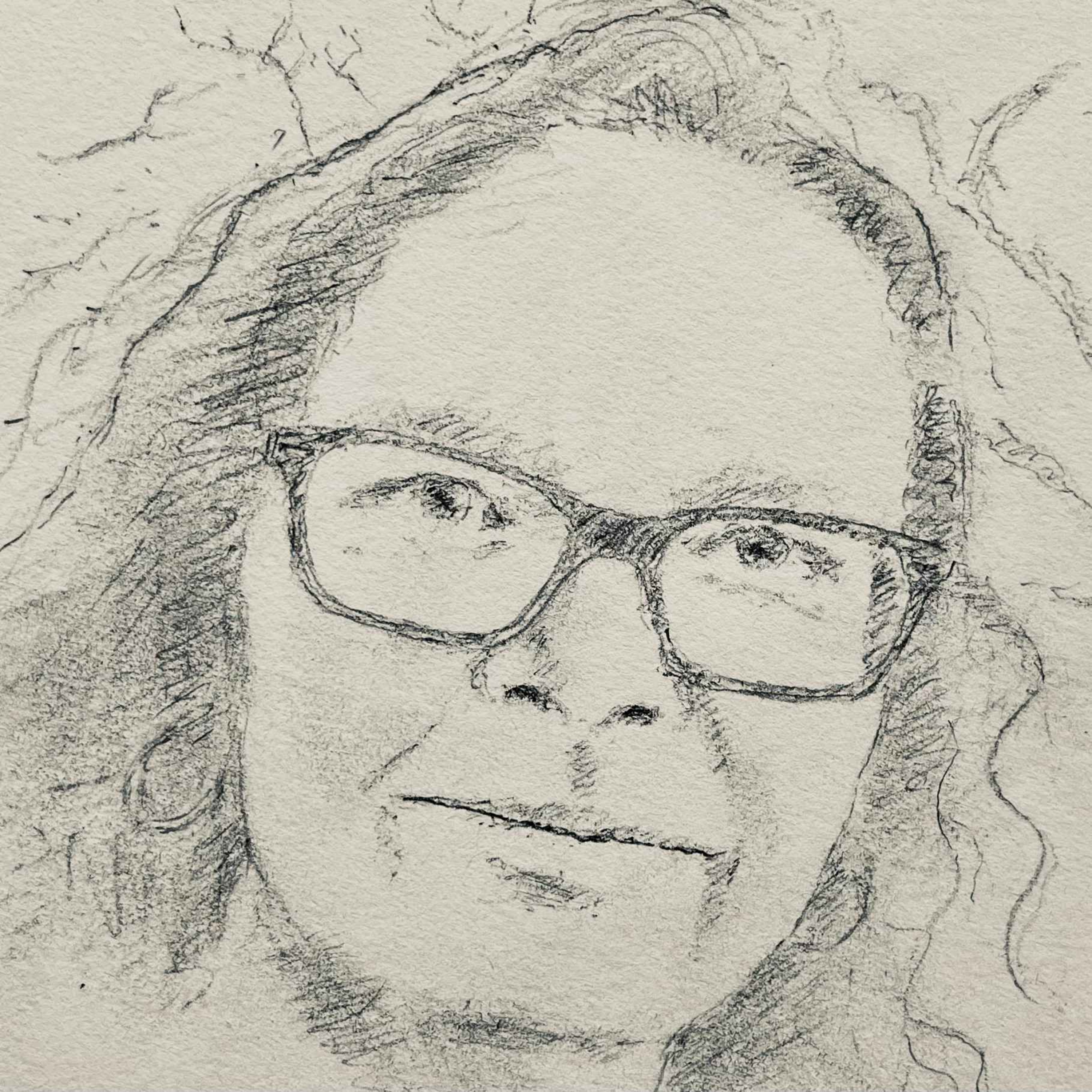
In this episode Christine Daigle, a leading figure in posthumanist philosophy and material feminism, begins by defining those terms before unpacking some of the ideas in her recent book 'Posthumanist Vulnerability: An affirmative ethics'. The humanist and Christian traditions both privilege the human, particularly the male human, in the sense of having 'dominion' over the rest of nature and, too often, women. Posthumanism breaks away from this and material feminism is concerned with the physical and material/economic constraints on women (really oversimplifying - listen to Christine's version). We move on to discuss the unusual structure of the book which, in addition to philosophy includes nine 'meanderings', more personal glimpses of her life, interactions with nature and trauma. Christine talks about her word 'transjective' used to highlight the permeability of the supposedly objective and subjective views and the origin of the term 'vulnerability' (the Latin word for wound). After brief diversion into Deleuze and Guattari, and 'joyful affirmation' we conclude with a reading of from the closing chapter of "Posthuman Vulnerability'. In short, a complex subject made digestible!Participants: Christine Daigle, professor of philosophy, Brock University, Ontario, Canada. https://brocku.ca/humanities/philosophy/christine-daigle/Ken Barrett, visual artist, writer and retired neuropsychiatrist: http://www.kenbarrettstudio.co.ukChristine's books:Posthumanist Vulnerability: https://www.bloomsbury.com/uk/posthumanist-vulnerability-9781350302884/Opening and closing music: Prelude to the opera Brainland, composed by Stephen Brown. Brainland the opera website: www.brainlandtheopera.co.ukPortrait sketch by KB. Hosted on Acast. See acast.com/privacy for more information.
What this episode covers
In this episode Christine Daigle, a leading figure in posthumanist philosophy and material feminism, begins by defining those terms before unpacking some of the ideas in her recent book 'Posthumanist Vulnerability: An affirmative ethics'. The humanist and Christian traditions both privilege the human, particularly the male human, in the sense of having 'dominion' over the rest of nature and, too often, women. Posthumanism breaks away from this and material feminism is concerned with the physical and material/economic constraints on women (really oversimplifying - listen to Christine's version). We move on to discuss the unusual structure of the book which, in addition to philosophy includes nine 'meanderings', more personal glimpses of her life, interactions with nature and trauma. Christine talks about her word 'transjective' used to highlight the permeability of the supposedly objective and subjective views and the origin of the term 'vulnerability' (the Latin word for wound). After brief diversion into Deleuze and Guattari, and 'joyful affirmation' we conclude with a reading of from the closing chapter of "Posthuman Vulnerability'. In short, a complex subject made digestible!Participants: Christine Daigle, professor of philosophy, Brock University, Ontario, Canada. https://brocku.ca/humanities/philosophy/christine-daigle/Ken Barrett, visual artist, writer and retired neuropsychiatrist: http://www.kenbarrettstudio.co.ukChristine's books:Posthumanist Vulnerability: https://www.bloomsbury.com/uk/posthumanist-vulnerability-9781350302884/Opening and closing music: Prelude to the opera Brainland, composed by Stephen Brown. Brainland the opera website: www.brainlandtheopera.co.ukPortrait sketch by KB. Hosted on Acast. See acast.com/privacy for more information.
NOW PLAYING
POSTHUMANIST VULNERABILITY
No transcript for this episode yet
Similar Episodes
No similar episodes found.
Similar Podcasts
No similar podcasts found.