
EPISODE · Oct 29, 2025 · 25 MIN
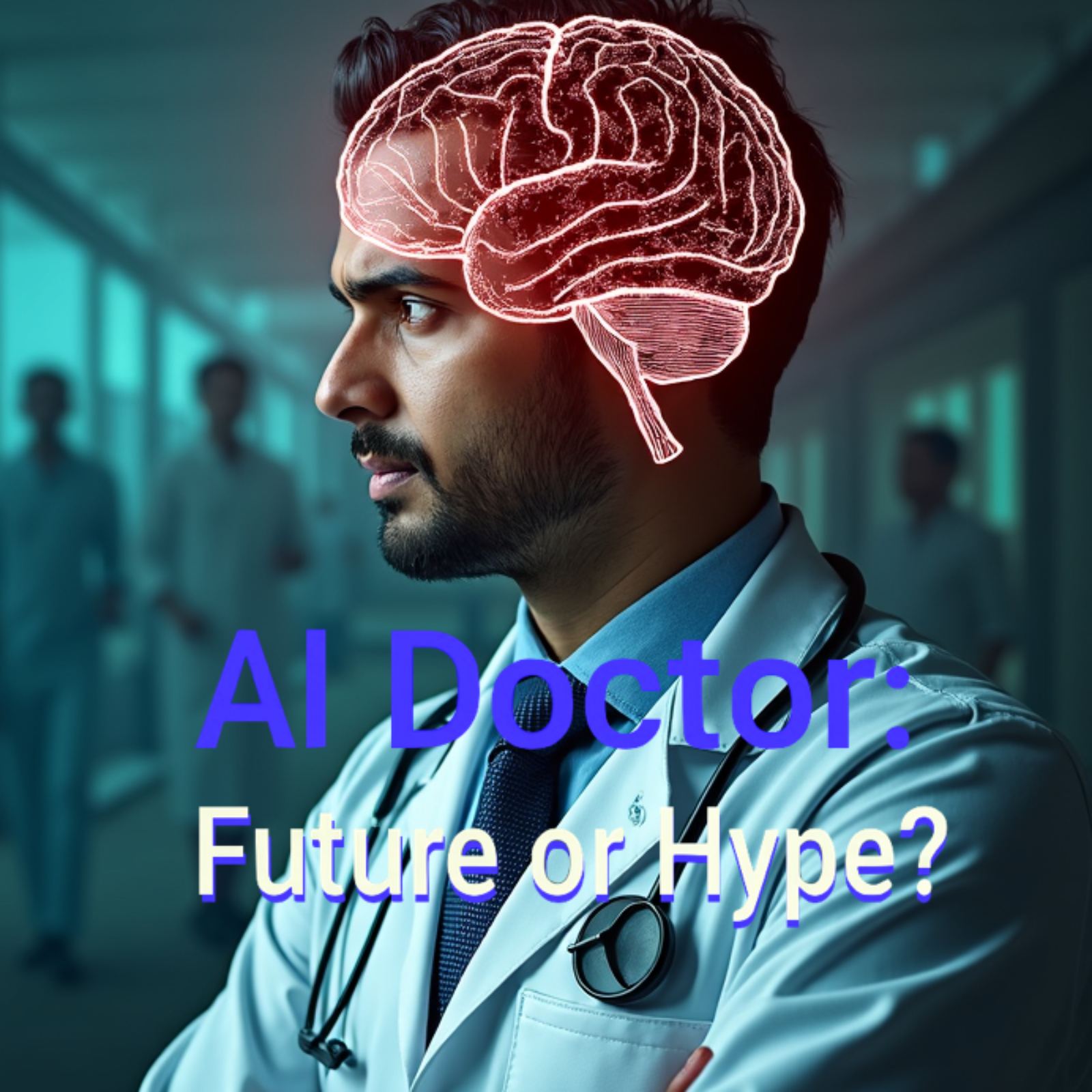
Problems of using Algorithms to offer medical advice by Doctor Centerd Healthcare Compared with Non-Algorithem based Patient Centerd healthcare Advice
from The Dr Maya Way
In 1984, I wrote algorithms and created a programme called “PAT”, the Paediatric Assessment Tool. This was to help junior doctors (SHOs) distinguish between minor and severe illnesses that require hospitalisation. I identified the loopholes, stopped validating this tool, and began searching for an alternative. This was long before Jerome Groopman mentioned Algorithms in his book “How Doctors Think” Dr Jerome Groopman, in his 2007 book "How Doctors Think", discusses the limitations of relying solely on algorithms and standardised protocols in medical practice. He emphasises that medicine is not a one-size-fits-all discipline; each patient presents unique symptoms, histories, and contexts that may not fit neatly into predefined categories. He advocates for a more personalised approach, where physicians use their clinical judgment, experience, and intuition alongside evidence-based guidelines to make informed decisions. This approach encourages doctors to remain open-minded, consider a broader range of possibilities, and engage in thorough patient communication to ensure accurate diagnoses and effective treatments. 1. Dr Maya - Symptom-Based Classification Systems Dr Maya’s method, which categorises symptoms into colour codes (Red, Blue, Green, Yellow), helps identify the severity and urgency of illnesses. This approach empowers patients to make informed decisions while allowing healthcare providers to focus on those needing immediate attention. Benefit: It aligns with human thinking, simplifies decision-making, and prioritises patient needs. 2. Clinical Decision Support Tools with Flexibility These tools use guidelines as a framework but allow physicians to incorporate their clinical judgment. Benefit: Combines evidence-based medicine with the physician’s intuition and experience. 3. Shared Decision-Making Models Actively involve patients in their care by explaining their conditions, treatment options, and potential outcomes. Benefit: Empowers patients to take control of their health and fosters trust in the doctor-patient relationship. 4. Narrative-Based Medicine (NBM) Focuses on understanding the patient’s story, not just their symptoms. This approach considers emotional, psychological, and social factors influencing health. Benefit: Provides a holistic view of the patient, improving care quality and satisfaction. 5. Technology-Assisted Self-Diagnosis • Programs like Dr Maya integrate technology to help patients self-diagnose using combinations of symptoms, reducing unnecessary doctor visits while ensuring severe conditions get prompt attention. • Benefit: Supports early detection and prevention without overwhelming healthcare systems. 6. Community-Centred Healthcare Engage local resources, like community health workers, educators, and patient advocates, to provide culturally sensitive, localised care. Benefit: Reduces disparities in healthcare access and outcomes. 7. Integration of Artificial Intelligence with Human Oversight AI can assist in pattern recognition and data analysis, but must be used with clinical judgment. Benefit: Improves efficiency without losing the human touch. 8. Focus on Preventive Care and Education Equip patients with knowledge about their health through workshops, apps, and accessible materials. Benefit: Encourages proactive health management and reduces dependency on medical professionals. The Goal: Personalised and Ethical Care.
Embed this episode
Ready to play
Problems of using Algorithms to offer medical advice by Doctor Centerd Healthcare Compared with Non-Algorithem based Patient Centerd healthcare Advice
No transcript for this episode yet
Similar Episodes
No similar episodes found.
Similar Podcasts
No similar podcasts found.