
EPISODE · Oct 2, 2017 · 52 MIN
Radiolab Presents: More Perfect - American Pendulum I
from Radiolab · host WNYC Studios
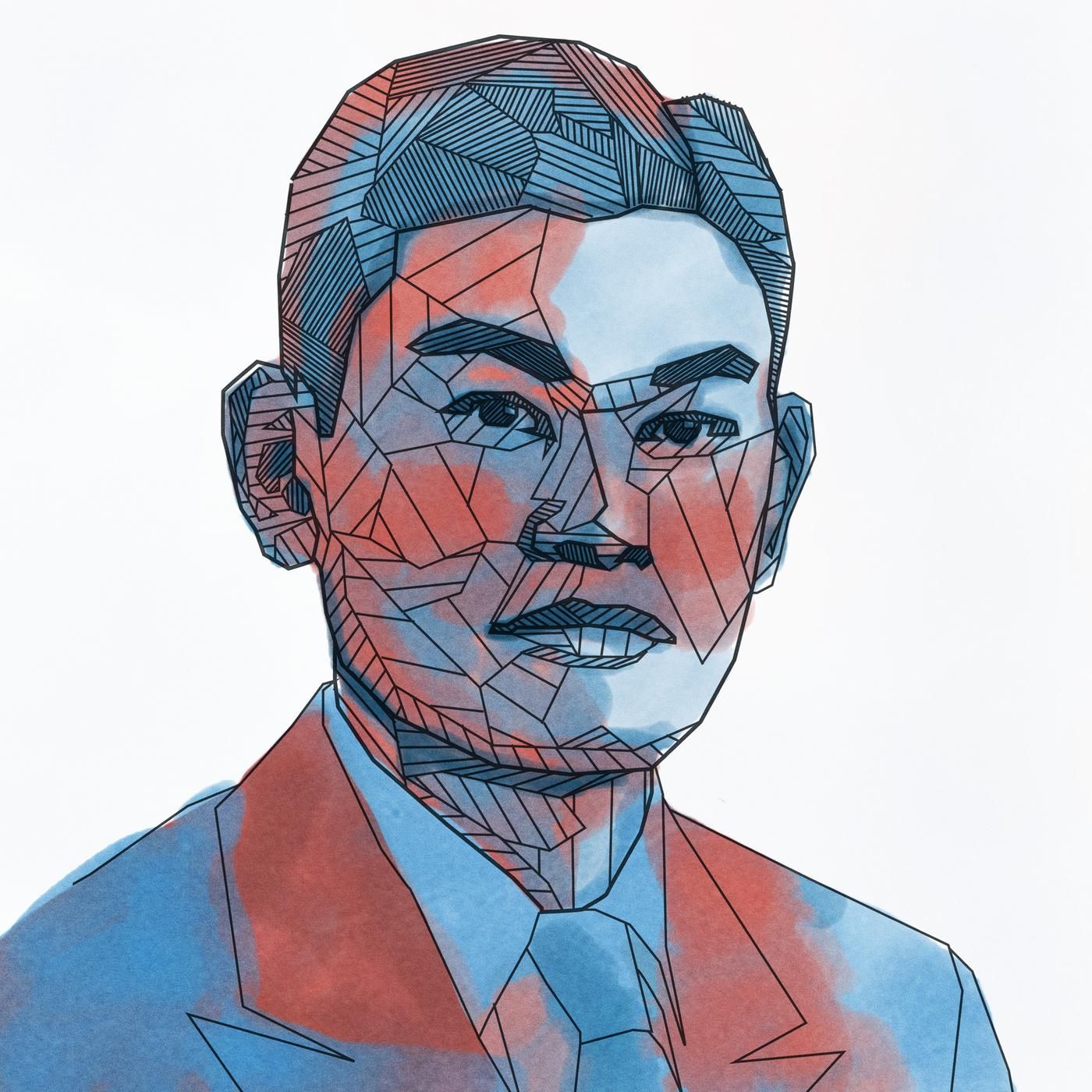
This story comes from the second season of Radiolab's spin-off podcast, More Perfect. To hear more, subscribe here. What happens when the Supreme Court, the highest court in the land, seems to get it wrong? Korematsu v. United States is a case that’s been widely denounced and discredited, but it still remains on the books. This is the case that upheld President Franklin Roosevelt’s internment of American citizens during World War II based solely on their Japanese heritage, for the sake of national security. In this episode, we follow Fred Korematsu’s path to the Supreme Court, and we ask the question: if you can’t get justice in the Supreme Court, can you find it someplace else? The key voices: Fred Korematsu, plaintiff in Korematsu v. United States who resisted evacuation orders during World War II. Karen Korematsu, Fred’s daughter, Founder & Executive Director of Fred T. Korematsu Institute Ernest Besig, ACLU lawyer who helped Fred Korematsu bring his case Lorraine Bannai, Professor at Seattle University School of Law and friend of Fred's family Richard Posner, recently retired Circuit Judge for the U.S. Court of Appeals, 7th Circuit The key cases: 1944: Korematsu v. United States The key links: Fred T. Korematsu Institute Densho Archives Additional music for this episode by The Flamingos, Lulu, Paul Lansky and Austin Vaughn. Special thanks to the Densho Archives for use of archival tape of Fred Korematsu and Ernest Besig. Leadership support for More Perfect is provided by The Joyce Foundation. Additional funding is provided by The Charles Evans Hughes Memorial Foundation. Supreme Court archival audio comes from Oyez®, a free law project in collaboration with the Legal Information Institute at Cornell.
What this episode covers
This story comes from the second season of Radiolab's spin-off podcast, More Perfect. To hear more, subscribe here. What happens when the Supreme Court, the highest court in the land, seems to get it wrong? Korematsu v. United States is a case that’s been widely denounced and discredited, but it still remains on the books. This is the case that upheld President Franklin Roosevelt’s internment of American citizens during World War II based solely on their Japanese heritage, for the sake of national security. In this episode, we follow Fred Korematsu’s path to the Supreme Court, and we ask the question: if you can’t get justice in the Supreme Court, can you find it someplace else? The key voices: Fred Korematsu, plaintiff in Korematsu v. United States who resisted evacuation orders during World War II. Karen Korematsu, Fred’s daughter, Founder & Executive Director of Fred T. Korematsu Institute Ernest Besig, ACLU lawyer who helped Fred Korematsu bring his case Lorraine Bannai, Professor at Seattle University School of Law and friend of Fred's family Richard Posner, recently retired Circuit Judge for the U.S. Court of Appeals, 7th Circuit The key cases: 1944: Korematsu v. United States The key links: Fred T. Korematsu Institute Densho Archives Additional music for this episode by The Flamingos, Lulu, Paul Lansky and Austin Vaughn. Special thanks to the Densho Archives for use of archival tape of Fred Korematsu and Ernest Besig. Leadership support for More Perfect is provided by The Joyce Foundation. Additional funding is provided by The Charles Evans Hughes Memorial Foundation. Supreme Court archival audio comes from Oyez®, a free law project in collaboration with the Legal Information Institute at Cornell.
NOW PLAYING
Radiolab Presents: More Perfect - American Pendulum I
No transcript for this episode yet
Similar Episodes
May 7, 2026 ·34m
Apr 23, 2026 ·31m
Apr 9, 2026 ·39m
Mar 26, 2026 ·30m
Mar 12, 2026 ·25m