
EPISODE · Oct 18, 2024 · 56 MIN
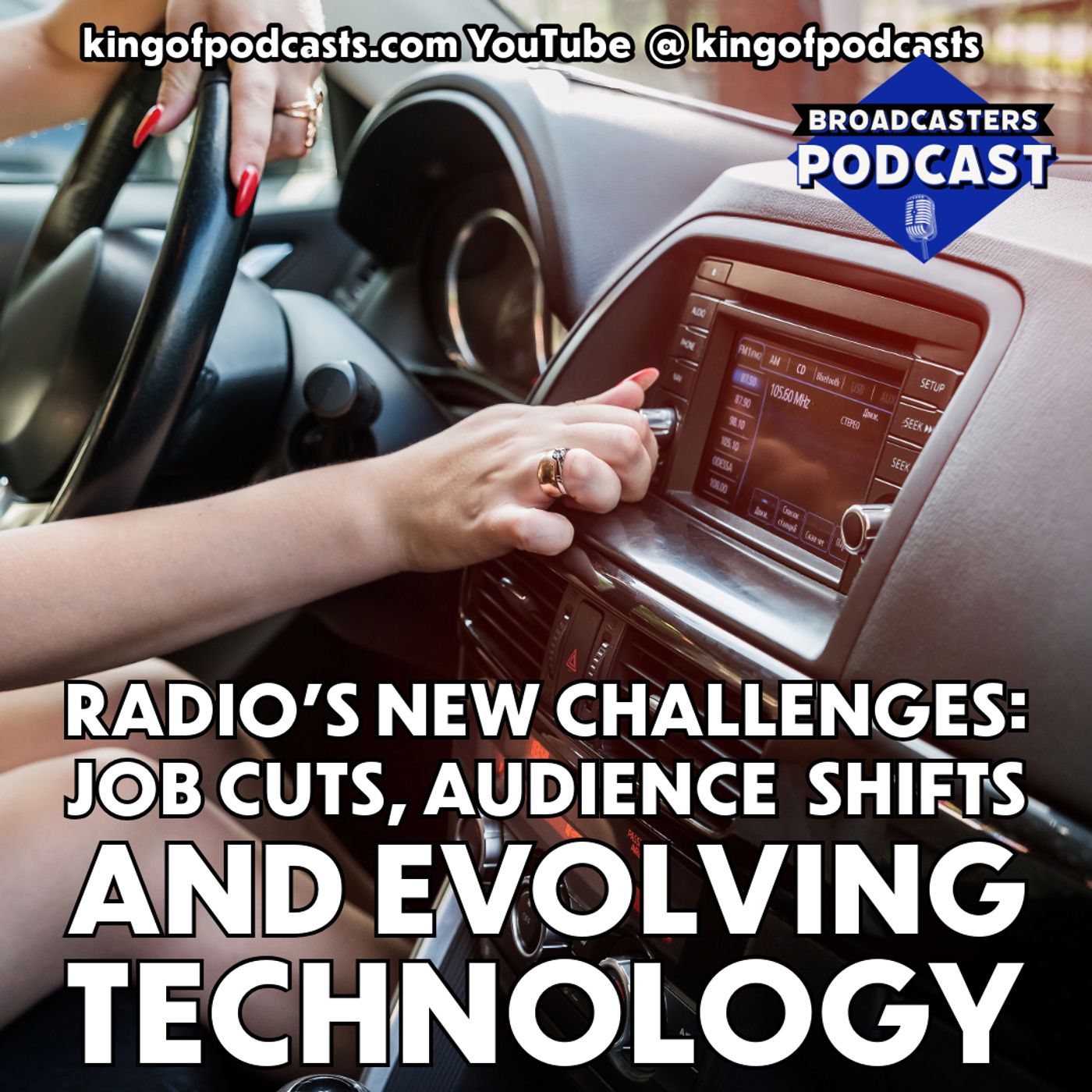
Radio's New Challenges: Job Cuts, Audience Shifts, and Evolving Technology (ep.353)
from The Broadcasters Podcast · host King Of Podcasts
As the radio landscape continues to shift, managers in the industry face a range of challenges that keep them up at night. A combination of workforce reductions, changes in audience measurement methods, and rapid technological advancements are reshaping how radio stations operate, connect with listeners, and compete in the digital age.### Job Cuts and Operational ConsolidationThe recent announcement of more job cuts at BBC radio stations is indicative of the broader trend of consolidation across the radio industry. BBC’s decision to merge further bulletins and programs aims to streamline operations and reduce costs amidst financial pressures. However, these moves come at the expense of jobs, adding to the uncertainty for staff and raising concerns about the ability to maintain the diversity and quality of local programming .Radio executives are left balancing financial sustainability with the need to retain the unique connection their stations have with local audiences. The impact of these cuts is felt deeply within the industry, reflecting a global trend where radio stations face the tough choice of prioritizing profitability over regional content that distinguishes them from digital competitors.### Audience Measurement Changes and Listening PatternsThe adjustments in Nielsen’s Average Quarter-Hour (AQH) plan have also stirred concerns among radio managers. With the new plan requiring less listening time for ratings consideration, the competition for listener attention is fiercer than ever. This shift could make tune-out issues more prominent, as radio stations need to ensure engaging content throughout every second of a broadcast to keep listeners from switching channels .Managers are particularly worried about this potential tune-out, as it could directly impact their stations' ratings and revenue. As listeners become more selective in how they spend their time with audio content, maintaining high engagement has become a top priority for stations looking to hold their audience base. The need to adapt programming to ensure sustained listener interest is becoming an essential strategy to weather this shift.### The Role of Evolving TechnologyAt the same time, technological advancements continue to redefine the audio landscape. The podcasting industry, often considered a competitor to traditional radio, is not only evolving but is also benefiting from the advancements in the underlying technology that powers it . The integration of AI and more sophisticated data analytics allows podcast platforms to better understand audience behavior, providing deeper insights into content preferences and engagement patterns.For radio stations, this tech evolution is a double-edged sword. On one hand, it offers the opportunity to enhance digital offerings and better understand listeners through improved data analytics. On the other, it creates pressure to innovate quickly or risk losing listeners to more tech-savvy digital platforms. Managers must decide how to integrate these technological advances into their operations while remaining true to the core identity of radio as a medium.### Navigating an Uncertain FutureThe combination of workforce reductions, changes in audience measurement, and evolving technology presents a daunting landscape for radio's top managers. These challenges are compounded by the need to maintain a unique local connection while adapting to a more competitive audio environment. As they navigate these turbulent waters, radio leaders are increasingly focused on striking a balance between embracing innovation and preserving the essence of what has made radio a trusted medium for generations.With listeners' habits changing and financial pressures mounting, the road ahead for the radio industry remains uncertain. Yet, for those willing to adapt and innovate, the evolving landscape also offers opportunities to redefine what radio can be in the digital age.Contact KOP for professional podcast production, imaging, and web design services at http://www.kingofpodcasts.comSupport KOP by subscribing to his YouTube channel and search for King Of PodcastsFollow KOP on Twitter or Facebook @kingofpodcastsListen to KOP’s other programs, Depraved and Debaucherous, Podcasters Row and the Wrestling is Real Wrestling PodcastBecome a supporter of this podcast: https://www.spreaker.com/podcast/the-broadcasters-podcast--3684131/support.Contact KOP for professional podcast production, imaging, and web design services at http://www.kingofpodcasts.comSupport KOP by subscribing to his YouTube channel and search for King Of PodcastsFollow KOP on X and TikTok @kingofpodcasts (F Meta!)Listen to KOP’s other programs, Podcasters Row… and the Wrestling is Real Wrestling Podcast and The Broadcasters Podcast.Buy KOP a Coffee https://buymeacoffee.com/kingofpodcastsDrop KOP a PayPal https://www.paypal.com/donate?hosted_button_id=3TAB983ZQPNVLDrop KOP a Venmo https://account.venmo.com/u/kingofpodcastsDrop KOP a CashApp https://cash.app/$kingofallpodcasts
What this episode covers
As the radio landscape continues to shift, managers in the industry face a range of challenges that keep them up at night. A combination of workforce reductions, changes in audience measurement methods, and rapid technological advancements are reshaping how radio stations operate, connect with listeners, and compete in the digital age.### Job Cuts and Operational ConsolidationThe recent announcement of more job cuts at BBC radio stations is indicative of the broader trend of consolidation across the radio industry. BBC’s decision to merge further bulletins and programs aims to streamline operations and reduce costs amidst financial pressures. However, these moves come at the expense of jobs, adding to the uncertainty for staff and raising concerns about the ability to maintain the diversity and quality of local programming .Radio executives are left balancing financial sustainability with the need to retain the unique connection their stations have with local audiences. The impact of these cuts is felt deeply within the industry, reflecting a global trend where radio stations face the tough choice of prioritizing profitability over regional content that distinguishes them from digital competitors.### Audience Measurement Changes and Listening PatternsThe adjustments in Nielsen’s Average Quarter-Hour (AQH) plan have also stirred concerns among radio managers. With the new plan requiring less listening time for ratings consideration, the competition for listener attention is fiercer than ever. This shift could make tune-out issues more prominent, as radio stations need to ensure engaging content throughout every second of a broadcast to keep listeners from switching channels .Managers are particularly worried about this potential tune-out, as it could directly impact their stations' ratings and revenue. As listeners become more selective in how they spend their time with audio content, maintaining high engagement has become a top priority for stations looking to hold their audience base. The need to adapt programming to ensure sustained listener interest is becoming an essential strategy to weather this shift.### The Role of Evolving TechnologyAt the same time, technological advancements continue to redefine the audio landscape. The podcasting industry, often considered a competitor to traditional radio, is not only evolving but is also benefiting from the advancements in the underlying technology that powers it . The integration of AI and more sophisticated data analytics allows podcast platforms to better understand audience behavior, providing deeper insights into content preferences and engagement patterns.For radio stations, this tech evolution is a double-edged sword. On one hand, it offers the opportunity to enhance digital offerings and better understand listeners through improved data analytics. On the other, it creates pressure to innovate quickly or risk losing listeners to more tech-savvy digital platforms. Managers must decide how to integrate these technological advances into their operations while remaining true to the core identity of radio as a medium.### Navigating an Uncertain FutureThe combination of workforce reductions, changes in audience measurement, and evolving technology presents a daunting landscape for radio's top managers. These challenges are compounded by the need to maintain a unique local connection while adapting to a more competitive audio environment. As they navigate these turbulent waters, radio leaders are increasingly focused on striking a balance between embracing innovation and preserving the essence of what has made radio a trusted medium for generations.With listeners' habits changing and financial pressures mounting, the road ahead for the radio industry remains uncertain. Yet, for those willing to adapt and innovate, the evolving...
NOW PLAYING
Radio's New Challenges: Job Cuts, Audience Shifts, and Evolving Technology (ep.353)
No transcript for this episode yet
Similar Episodes
Mar 26, 2026 ·1m
Mar 19, 2026 ·34m
Feb 18, 2026 ·11m
Feb 11, 2026 ·45m