
EPISODE · Feb 18, 2026 · 54 MIN
Ramadan: The Heart and the Moral Life — with Stephen Darwall
from The Minefield · host Australian Broadcasting Corporation
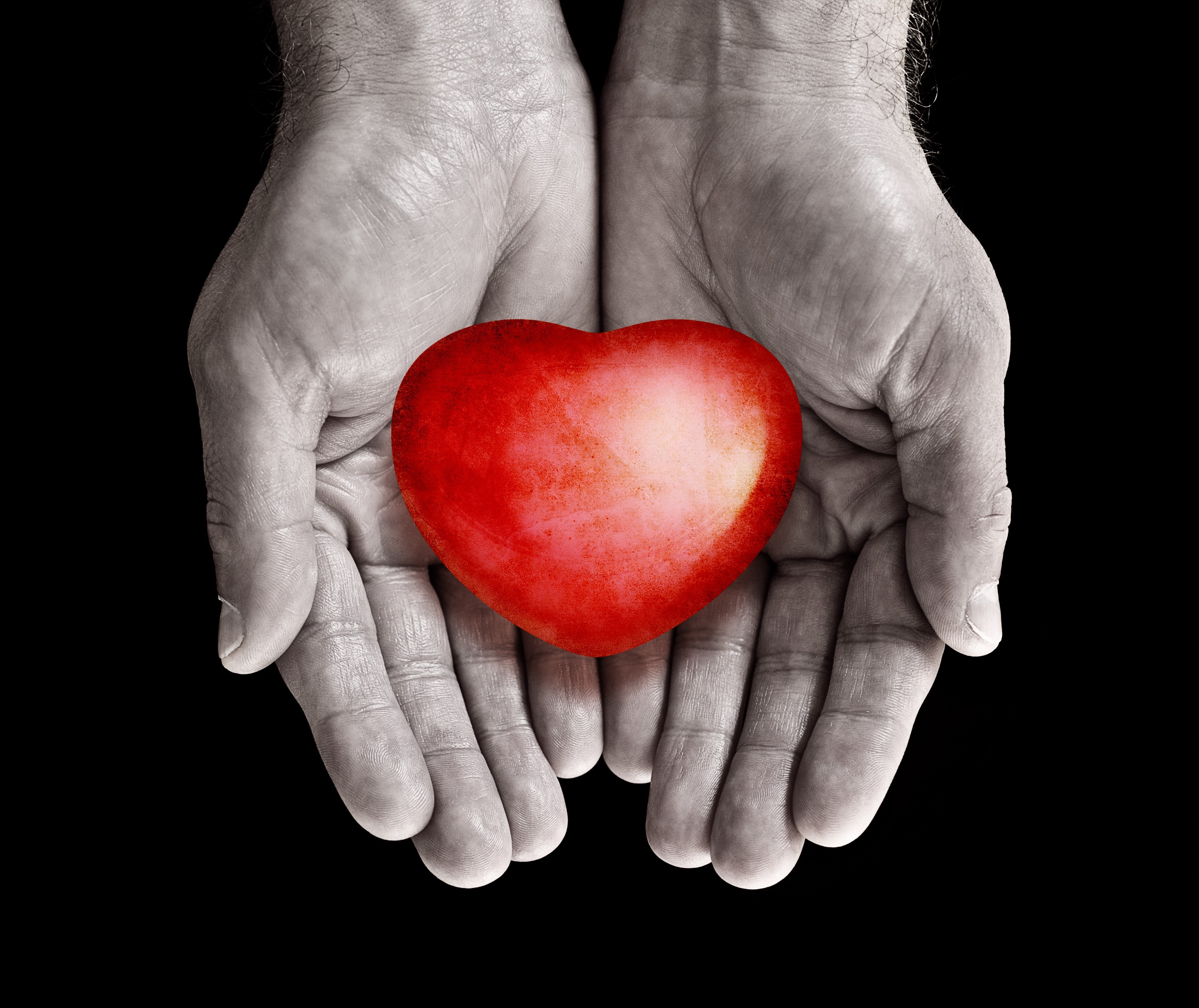
Judging by the way we use the word in everyday speech, we intuitively know what we mean when we refer to “the heart”. We are most often gesturing toward the essence of a thing, its core, what you reach once you strip everything non-essential away.That idea is very much in keeping with what we do each year during the month of Ramadan: we try to put wider concerns and contentious debates in politics, society and culture to the side in order to focus on some of the more fundamental dispositions and practices that sustain and deepen the moral life — essential things that we frequently neglect in our haste and agitation.But, of course, that’s not the only way we use the word “heart”. It’s also a reference to what is truest about us, our interior orientation, what we want and value, sometimes despite our attempts to present ourselves otherwise or dissemble what secretly resides within. When we use terms like “heartfelt” or “heart-to-heart”, aren’t we talking about a deeper kind of emotion or a more sincere or authentic kind of conversation, one in which certain conventions or forms of conventionalised self-presentation have been set aside?The idea of the centrality of the heart is a very old one, stretching back to the ancient cultures of Egypt, Mesopotamia and China. But it was Aristotle in the fourth century BCE who gave the concept of ‘cardiocentrism’ its most thoroughgoing articulation. He considered the heart to be the organising principle of the body — its primary organ, its ‘archē’. The heart is the location of the soul and the source of the body’s heat; it is the organ that receives sensory stimuli from without and directs the body’s movements from within. He thus conceived of the heart as constituting, at once, the seat of intelligence, emotion, will, desire and sensation, and the inherent (or efficient) cause of the body’s unity, integrity and coordination.This cardiocentric conception would eventually be taken up in the High Middle Ages by theologians and philosophers such as Ibn Sina (Avicenna), Ibn Rushd (Averröes), Al-Ghazālī, Albertus Magnus and Thomas Aquinas, and even in the seventeenth century by English physician William Harvey.While it is no longer credible as a psycho-physiological theory, it is nonetheless striking how the centrality of the heart continues to pervade our language and moral sensibilities. Even now, “the heart” seems to possess a kind of double-aspect, it faces simultaneously in two directions: it stands for our inner-most selves (consider the term “heart of hearts”); it is also that which makes us receptive to moral realities or truths outside of ourselves. As Stephen Darwall puts it, “the heart” refers to: “the cluster of emotional capabilities and susceptibilities that fit one for emotional connection: dispositions to feel joy, grief, sadness, fear and distress for others, gratitude, trust, love …”.Perhaps it is not a stretch to say that the moral life is cardiocentric, even though our physiology is not. Doesn’t this suggest that the health of our “hearts” should be a matter of moral, not just physical, concern?Guest: Stephen Darwall is the Andrew Downey Orrick Professor of Philosophy at Yale University. He is the author of a number of landmark works of modern moral philosophy — including, chiefly, The Second-Person Standpoint and, more recently, The Heart and Its Attitudes.
Embed this episode
NOW PLAYING
Ramadan: The Heart and the Moral Life — with Stephen Darwall
No transcript for this episode yet
Similar Episodes
Feb 11, 2026 ·45m
Nov 7, 2025 ·27m
Oct 3, 2025 ·19m
Similar Podcasts
No similar podcasts found.