
EPISODE · Aug 6, 2025 · 39 MIN
Rebuilding Us: Turning Conflict into Connection (Episode #78)
from The Human Intimacy Podcast · host Humanintimacy
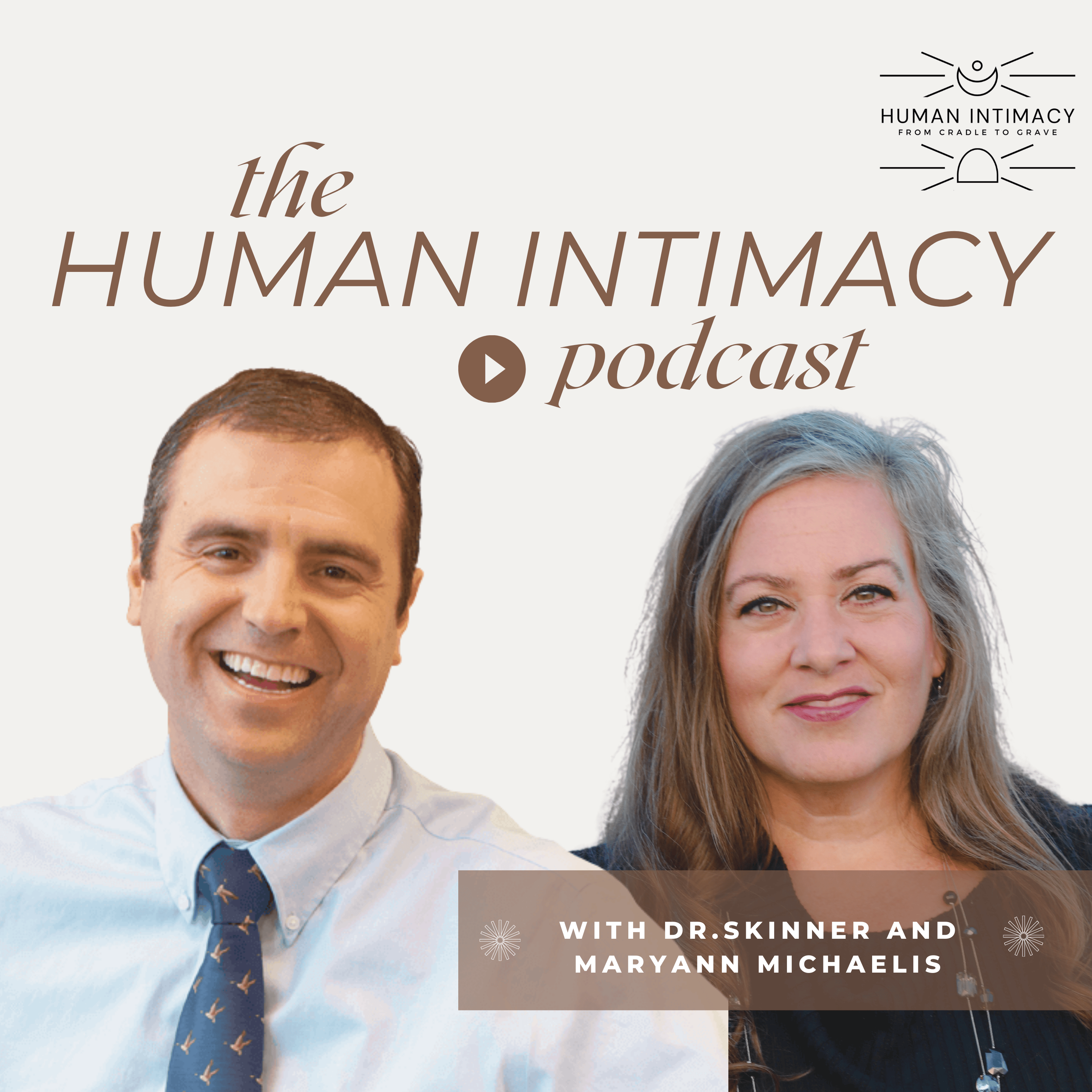
Rebuilding Us: Turning Conflict into Connection Podcast Summary: In this episode of the Human Intimacy Podcast, Dr. Kevin Skinner and MaryAnn Michaelis dive deep into the essential relationship cycle of rupture, repair, responsibility, and rebuilding. Drawing from their personal experiences and clinical work, they explore how every relationship inevitably encounters conflict—not because something is wrong, but because two different people are sharing life together. Dr. Skinner and MaryAnn emphasize that conflict is often not about the surface issue (like toothpaste or hair gel), but rather unmet expectations, unspoken needs, and internal narratives we build over time. Using real-life stories and examples, they explore how couples can move beyond blame and defensiveness by embracing self-awareness, honest communication, and compassion—for themselves and each other. The episode also introduces the powerful concept of the “we problem,” encouraging couples to see relational issues as shared challenges rather than individual failures. Through intentional communication, ownership of feelings, and regular expressions of gratitude, couples can strengthen their bond and build a relationship that thrives—even after betrayal or rupture. Whether you’re newly married or have been together for decades, this episode is filled with practical wisdom and hopefor anyone who wants deeper, healthier, more resilient intimacy. Key Concepts Covered: Rupture is inevitable, but repair is a learned skill. What we fight about is often not the real issue—it’s unmet expectations or a need to feel heard and valued. True intimacy requires vulnerability, humility, and responsibility. “I” statements are powerful tools for conflict resolution. Shifting from a “you vs. me” to a “we” mindset transforms how couples face challenges. Emotional honesty means recognizing your own triggers before projecting onto your partner. Gratitude and daily appreciation can reignite positive connection. Healing after betrayal demands both partners do their inner work while also working on the relationship. Recommended Resources Mentioned: Books: The Seven Principles for Making Marriage Work by Dr. John Gottman (Four Horsemen of the Apocalypse framework) Never Split the Difference by Chris Voss (Empathy in high-stakes communication) Facing the Shadow by Dr. Patrick Carnes (betrayal and relationship recovery) Courses & Tools: HumanIntimacy.com — Online course: How to Communicate When You Don’t Know What to Say (Dr. Kevin Skinner) Reclaim: Healing from Betrayal and Rebuilding Your Life – Podcast and course Therapeutic Concepts Referenced: Gottman’s Four Horsemen: Criticism, Contempt, Defensiveness, Stonewalling Positive and Negative Sentiment Override (Dr. John Gottman) “We problems” vs. individual blame Emotional regulation and co-regulation Self-awareness before communication Reflection Questions for Listeners: What’s a recurring conflict in your relationship that might be about something deeper than the surface issue? How do you typically respond when you feel misunderstood—and what might a more self-aware response look like? What are three things your partner has done this week that you could show appreciation for?
What this episode covers
Rebuilding Us: Turning Conflict into Connection Podcast Summary: In this episode of the Human Intimacy Podcast, Dr. Kevin Skinner and MaryAnn Michaelis dive deep into the essential relationship cycle of rupture, repair, responsibility, and rebuilding. Drawing from their personal experiences and clinical work, they explore how every relationship inevitably encounters conflict—not because something is wrong, but because two different people are sharing life together. Dr. Skinner and MaryAnn emphasize that conflict is often not about the surface issue (like toothpaste or hair gel), but rather unmet expectations, unspoken needs, and internal narratives we build over time. Using real-life stories and examples, they explore how couples can move beyond blame and defensiveness by embracing self-awareness, honest communication, and compassion—for themselves and each other. The episode also introduces the powerful concept of the “we problem,” encouraging couples to see relational issues as shared challenges rather than individual failures. Through intentional communication, ownership of feelings, and regular expressions of gratitude, couples can strengthen their bond and build a relationship that thrives—even after betrayal or rupture. Whether you’re newly married or have been together for decades, this episode is filled with practical wisdom and hopefor anyone who wants deeper, healthier, more resilient intimacy. Key Concepts Covered: Rupture is inevitable, but repair is a learned skill. What we fight about is often not the real issue—it’s unmet expectations or a need to feel heard and valued. True intimacy requires vulnerability, humility, and responsibility. “I” statements are powerful tools for conflict resolution. Shifting from a “you vs. me” to a “we” mindset transforms how couples face challenges. Emotional honesty means recognizing your own triggers before projecting onto your partner. Gratitude and daily appreciation can reignite positive connection. Healing after betrayal demands both partners do their inner work while also working on the relationship. Recommended Resources Mentioned: Books: The Seven Principles for Making Marriage Work by Dr. John Gottman (Four Horsemen of the Apocalypse framework) Never Split the Difference by Chris Voss (Empathy in high-stakes communication) Facing the Shadow by Dr. Patrick Carnes (betrayal and relationship recovery) Courses & Tools: HumanIntimacy.com — Online course: How to Communicate When You Don’t Know What to Say (Dr. Kevin Skinner) Reclaim: Healing from Betrayal and Rebuilding Your Life – Podcast and course Therapeutic Concepts Referenced: Gottman’s Four Horsemen: Criticism, Contempt, Defensiveness, Stonewalling Positive and Negative Sentiment Override (Dr. John Gottman) “We problems” vs. individual blame Emotional regulation and co-regulation Self-awareness before communication Reflection Questions for Listeners: What’s a recurring conflict in your relationship that might be about something deeper than the surface issue? How do you typically respond when you feel misunderstood—and what might a more self-aware response look like? What are three things your partner has done this week that you could show appreciation for?
NOW PLAYING
Rebuilding Us: Turning Conflict into Connection (Episode #78)
No transcript for this episode yet
Similar Episodes
No similar episodes found.
Similar Podcasts
No similar podcasts found.