
EPISODE · Dec 29, 2025 · 34 MIN
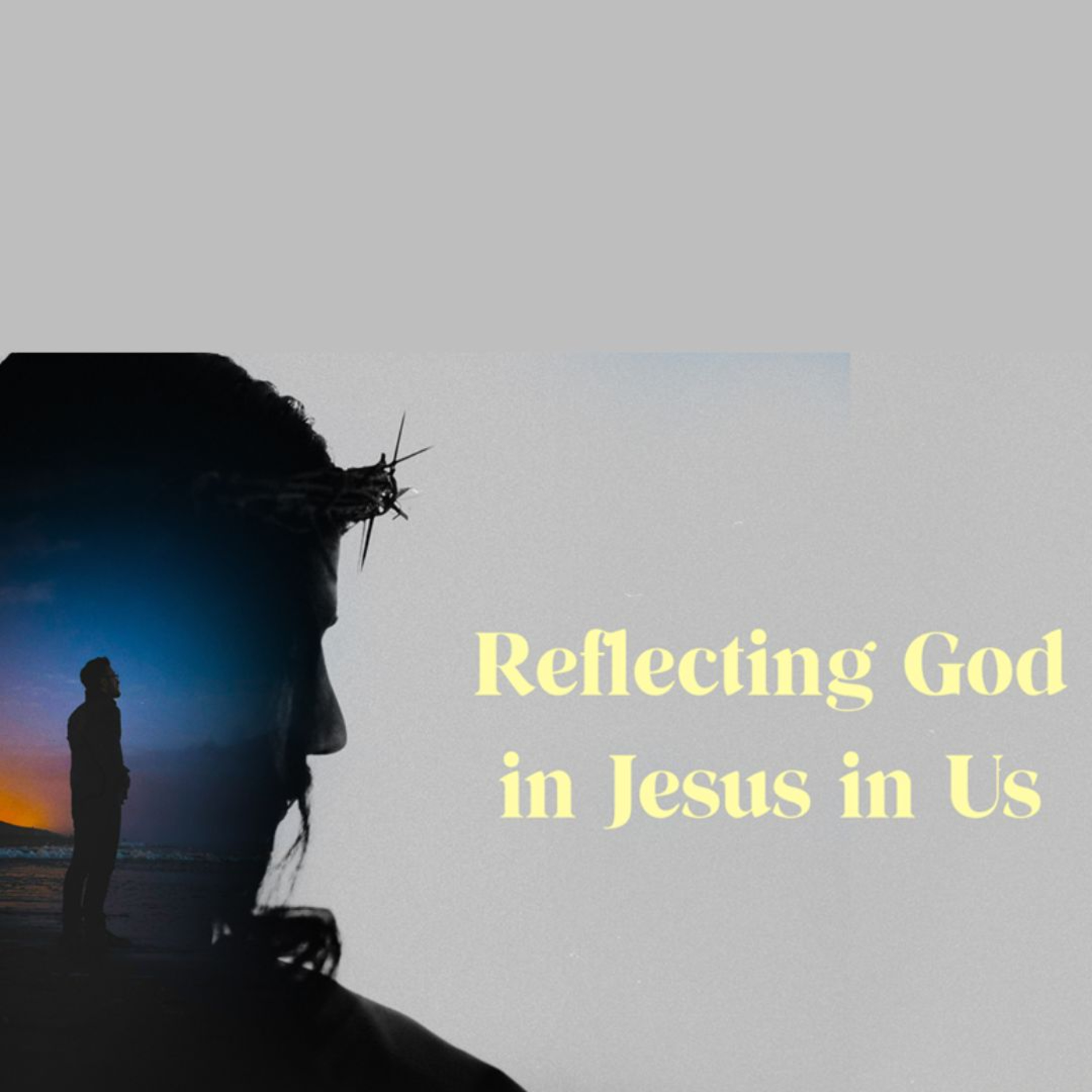
Reflecting God in Jesus in Us
from PCFC Sermons · host Parma Christian Fellowship Church
Weekend Service for December 28Scripture Readings: John 1:1-18 | 2 Corinthians 3:7-18A vivid illustration with reflective material frames the call to live as true reflections of Christ’s light. Drawing from John 1, it centers on Jesus as the Word made flesh, the one and only Son who makes the unseen God known, full of grace and truth. The distinction is clear: Jesus is the Light; people are not the source of light but are made to reflect it. This distinction shapes identity, posture, and purpose. John the Baptizer models this clarity—he knew who he was, who he wasn’t, and therefore what to do: redirect attention from himself to Jesus. 2 Corinthians 3 deepens the vision, contrasting a fading glory with the lasting glory of the Spirit. With unveiled faces, believers are transformed together into Christ’s image. That communal angle is crucial. The New Testament forms a people, not isolated heroes; the church together reflects the manifold character of Christ more accurately than any individual can. The metaphor holds: mirrors don’t generate light; they must be aligned with the source, and the more refined the surface, the clearer the reflection. Likewise, the more a community is aligned with Christ, the more truly it reflects him.Human reflections can distort. Ancient stories like Aesop’s “dog and the bone” and the myth of Narcissus expose how greed and self-absorption warp perception. Scripture offers a sobering case study in Jonah, whose view of God produced a harsh, graceless witness. Jonah’s anger reveals a misshapen theology; he relishes judgment and resents mercy. God counters with a question and a lesson in compassion, showing that his heart turns toward mercy even when people do not “qualify” by ritual standards. In John’s Gospel, this heart is embodied in Jesus, whose grace is not a reward for the deserving but an overflow of who he is.Witness, then, is not a switch to flip on outreach nights; it is an identity lived at all times. The calling is to stay in the beam of Christ’s light—receiving grace upon grace—and to reflect that light in truth and mercy, especially within the bonds of a transformed community. As another year begins, the charge is simple and searching: do not block the view. Align with Jesus, and become a clearer, truer reflection of God’s character in a dark world.[00:00] Welcome[00:20] Waste not: a reflective gift[03:18] John’s Christmas prologue[05:42] Glory of the Spirit’s ministry[08:59] Aesop’s dog and the bone[10:11] Reflections aren’t the Light[11:28] Narcissus and Echo cautionary tale[15:26] John knows who he is not[17:36] How reflection actually works[20:10] Community over isolated spirituality[21:54] Witness as identity, not event[22:56] Jonah: a distorted mirror of God[30:57] Grace and truth set our tone[32:33] Prayer and sending into new year
Embed this episode
NOW PLAYING
Reflecting God in Jesus in Us
No transcript for this episode yet
Similar Episodes
No similar episodes found.
Similar Podcasts
No similar podcasts found.