
EPISODE · Nov 2, 2023 · 13 MIN
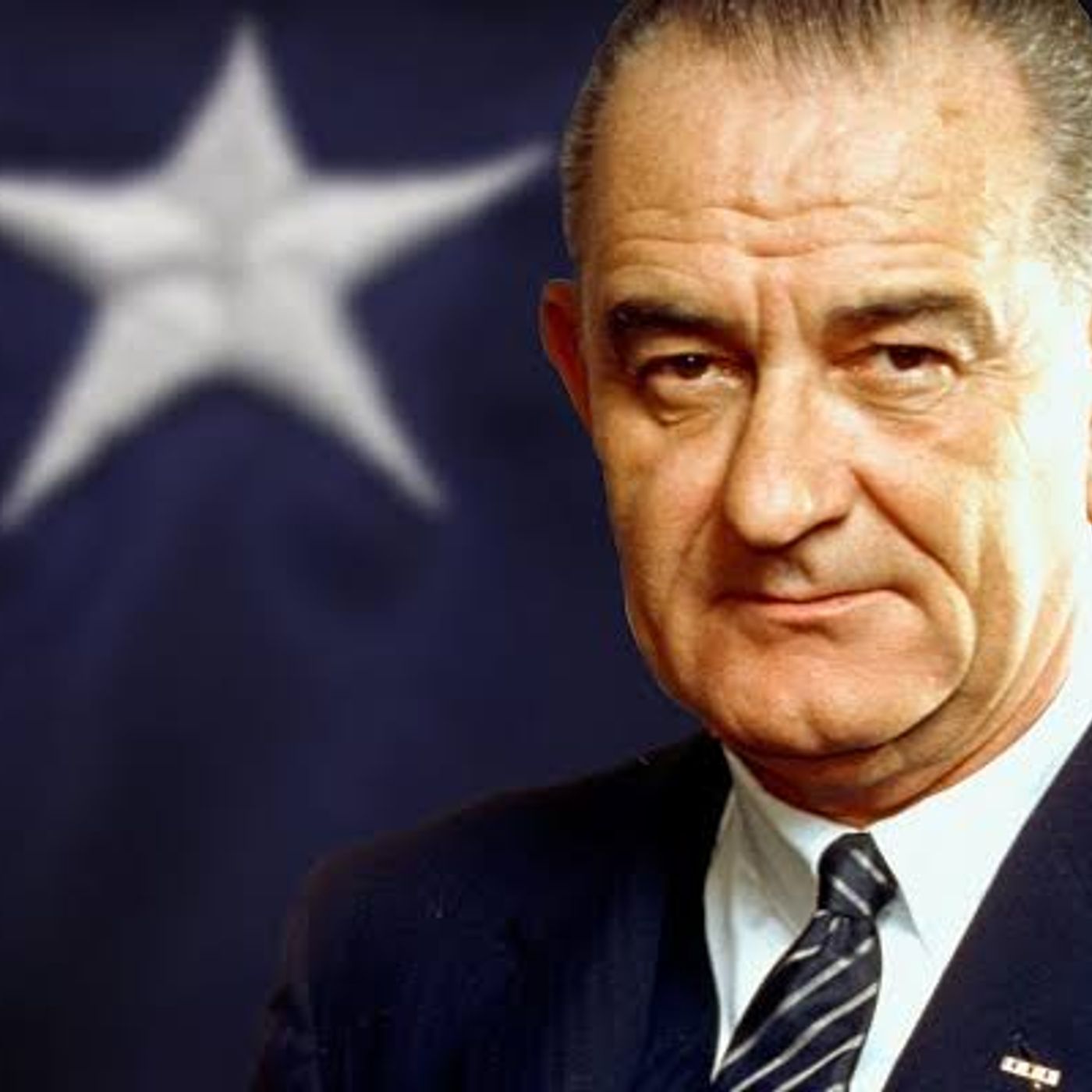
Remarks on Signing the Nuclear Nonproliferation Treaty - July 1, 1968 - Lyndon Johnson
from Lyndon B. Johnson - Great Speeches · host Inception Point AI
Secretary Rusk, Your Excellencies, honored Members of Congress, distinguished guests, ladies and gentlemen: This is a very reassuring and hopeful moment in the relations among nations. We have come here today to the East Room of the White House to sign a treaty which limits the spread of nuclear weapons. More than 55 nations are here in Washington this morning to commit their governments to this treaty. Their representatives are also signing today in Moscow and in London. We hope and expect that virtually all the nations will move in the weeks and months ahead to accept this treaty which was commended to the world by the overwhelming majority of the members of the United Nations General Assembly. The treaty's purposes are very simple: —to commit the nations of the world which do not now have nuclear weapons not to produce or receive them in the future; —to assure equally that such nations have the full peaceful benefits of the atom; and —to commit the nuclear powers to move forward toward effective measures of arms control and disarmament. It was just a year ago that Chairman Kosygin and I agreed at Glassboro that we would work intensively in the time ahead to try to achieve this result. After nearly a quarter century of danger and fear—reason and sanity have prevailed to reduce the danger and to greatly lessen the fear. Thus, all mankind is reassured. As the moment is reassuring, so it is, even more, hopeful and heartening. For this treaty is evidence that amid the tensions, the strife, the struggle, and the sorrow of these years, men of many nations have not lost the way—or have not lost the will—toward peace. The conclusion of this treaty encourages the hope that other steps may be taken toward a peaceful world. It is for these reasons—and in this perspective—that I have described this treaty as the most important international agreement since the beginning of the nuclear age. It enhances the security of all nations by significantly reducing the danger of nuclear war among nations. It encourages the peaceful use of nuclear energy by assuring safeguards against its destructive use. But, perhaps most significantly, the signing of this treaty keeps alive and keeps active the impulse toward a safer world. We are inclined to neglect and to overlook what that impulse has brought about in recent years. These have been fruitful times for the quiet works of diplomacy. After long seasons of patient and painstaking negotiation, we have concluded, just within the past 5 years: —the Limited Test Ban Treaty, —the Outer Space Treaty, and —the treaty creating a nuclear-free zone in Latin America. The march of mankind is toward the summit—not the chasm. We must not, we shall not, allow that march to be interrupted. This treaty, like the treaties it follows, is not the work, as Secretary Rusk said, of any one particular nation. It is the accomplishment of nations which seek to exercise their responsibilities for maintaining peace and maintaining a stable world This content was created in partnership and with the help of Artificial Intelligence AI.
What this episode covers
Secretary Rusk, Your Excellencies, honored Members of Congress, distinguished guests, ladies and gentlemen: This is a very reassuring and hopeful moment in the relations among nations. We have come here today to the East Room of the White House to sign a treaty which limits the spread of nuclear weapons. More than 55 nations are here in Washington this morning to commit their governments to this treaty. Their representatives are also signing today in Moscow and in London. We hope and expect that virtually all the nations will move in the weeks and months ahead to accept this treaty which was commended to the world by the overwhelming majority of the members of the United Nations General Assembly. The treaty's purposes are very simple: —to commit the nations of the world which do not now have nuclear weapons not to produce or receive them in the future; —to assure equally that such nations have the full peaceful benefits of the atom; and —to commit the nuclear powers to move forward toward effective measures of arms control and disarmament. It was just a year ago that Chairman Kosygin and I agreed at Glassboro that we would work intensively in the time ahead to try to achieve this result. After nearly a quarter century of danger and fear—reason and sanity have prevailed to reduce the danger and to greatly lessen the fear. Thus, all mankind is reassured. As the moment is reassuring, so it is, even more, hopeful and heartening. For this treaty is evidence that amid the tensions, the strife, the struggle, and the sorrow of these years, men of many nations have not lost the way—or have not lost the will—toward peace. The conclusion of this treaty encourages the hope that other steps may be taken toward a peaceful world. It is for these reasons—and in this perspective—that I have described this treaty as the most important international agreement since the beginning of the nuclear age. It enhances the security of all nations by significantly reducing the danger of nuclear war among nations. It encourages the peaceful use of nuclear energy by assuring safeguards against its destructive use. But, perhaps most significantly, the signing of this treaty keeps alive and keeps active the impulse toward a safer world. We are inclined to neglect and to overlook what that impulse has brought about in recent years. These have been fruitful times for the quiet works of diplomacy. After long seasons of patient and painstaking negotiation, we have concluded, just within the past 5 years: —the Limited Test Ban Treaty, —the Outer Space Treaty, and —the treaty creating a nuclear-free zone in Latin America. The march of mankind is toward the summit—not the chasm. We must not, we shall not, allow that march to be interrupted. This treaty, like the treaties it follows, is not the work, as Secretary Rusk said, of any one particular nation. It is the accomplishment of nations which seek to exercise their responsibilities for maintaining peace and maintaining a stable world This content was created in partnership and with the help of Artificial Intelligence AI.
NOW PLAYING
Remarks on Signing the Nuclear Nonproliferation Treaty - July 1, 1968 - Lyndon Johnson
No transcript for this episode yet
Similar Episodes
Mar 3, 2026 ·44m
Feb 21, 2026 ·30m
Dec 17, 2025 ·30m
Dec 11, 2025 ·26m
Dec 11, 2025 ·29m
Dec 11, 2025 ·33m