(Removed Scenes) From an Untouched Landscape episode artwork

EPISODE · Jan 13, 2022 · 2 MIN

(Removed Scenes) From an Untouched Landscape

from George Eastman Museum · host George Eastman Museum

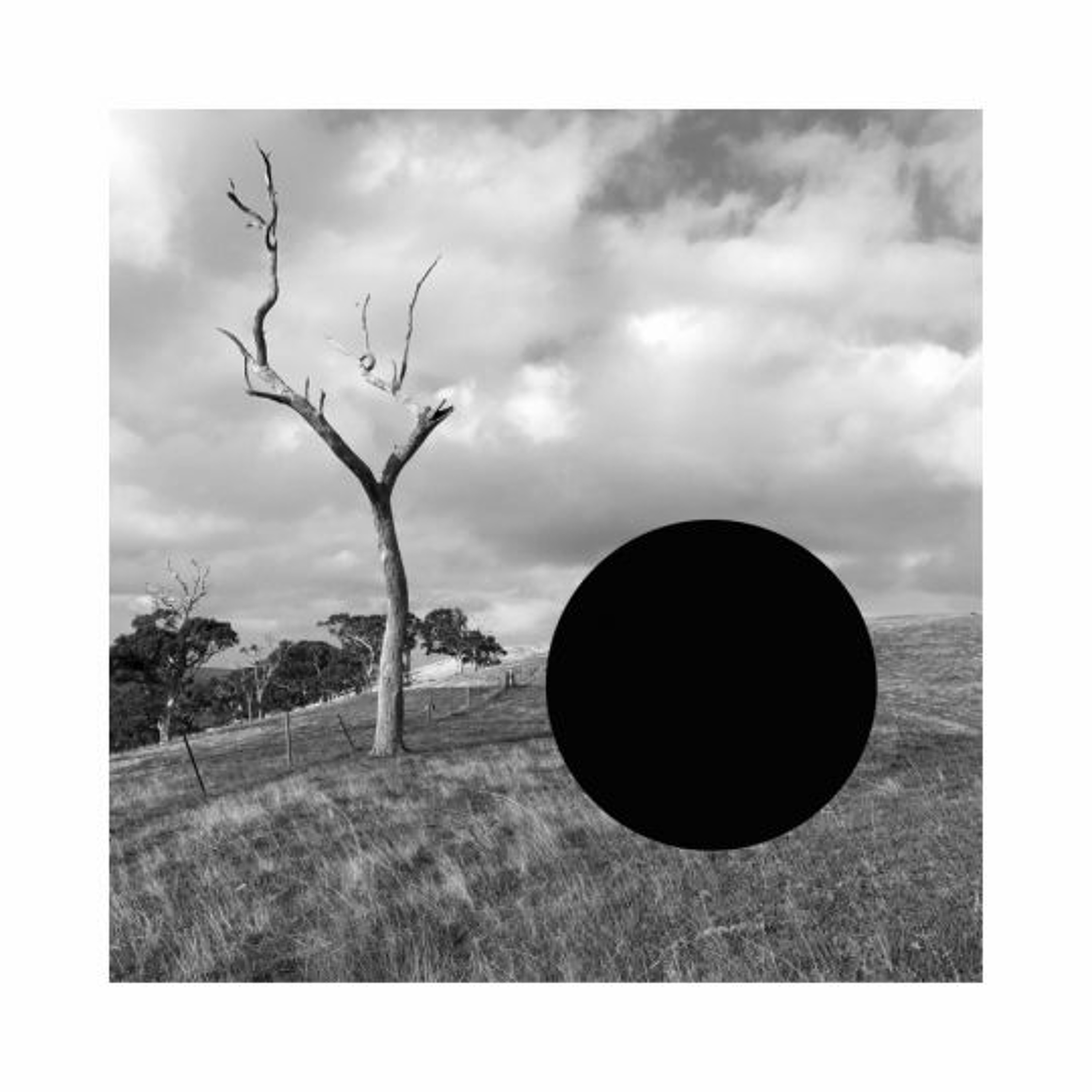
The area of the Australian coast that I photographed stretches from Victoria, specifically Narrawong and Portland, through to Adelaide, in South Australia. And this stretch of coast is historically a whaling migration path. So whales start at Antarctica. And then they move up to the Australian continent. The way that Australia is shaped, there's a curved bit, of course, called the Great [Australian] Bight. When they hit this area, they have two options to go around the continent. They can either go west, to Perth and WA, and around that way, and then they head up to Indonesia, or they had east along the coast. And so at South Australia, they travel around to Victoria, then up around into New South Wales and up past Queensland, and then up into places like Papua New Guinea. So what early British, French, and American whalers had figured out is that they can position themselves at different sites along the southern coast of Australia, and they could then harpoon whales, harvest them, and then process them for blubber, for oil, and then they would then trade in places like Europe or America. These sites along the coast are really important sites, both for indigenous people and for the early colonial history of Australia. And they're also sites of contact between Aboriginal people and these whalers and sealers. In this series, I've been wanting to highlight that interaction. In the image, you can see that I've carved a black Wadna or a boomerang, as well as a musket, which was used by the whalers and sealers, and a wirri, a wooden club on the bottom. This is just referring to that first contact and ongoing relationship that whalers and sealers had, which was mixed. It ranged from loving relationships and trade and also employment, to slavery and sexual assault of women and also murder. So it's a broad spectrum and in one of the works is a site of a large massacre done by whalers and sealers at a place called Allestree between Narrawong and Portland in Victoria, and these objects refer to those conflicts as well.

The area of the Australian coast that I photographed stretches from Victoria, specifically Narrawong and Portland, through to Adelaide, in South Australia. And this stretch of coast is historically a whaling migration path. So whales start at Antarctica. And then they move up to the Australian continent. The way that Australia is shaped, there's a curved bit, of course, called the Great [Australian] Bight. When they hit this area, they have two options to go around the continent. They can either go west, to Perth and WA, and around that way, and then they head up to Indonesia, or they had east along the coast. And so at South Australia, they travel around to Victoria, then up around into New South Wales and up past Queensland, and then up into places like Papua New Guinea. So what early British, French, and American whalers had figured out is that they can position themselves at different sites along the southern coast of Australia, and they could then harpoon whales, harvest them, and then process them for blubber, for oil, and then they would then trade in places like Europe or America. These sites along the coast are really important sites, both for indigenous people and for the early colonial history of Australia. And they're also sites of contact between Aboriginal people and these whalers and sealers. In this series, I've been wanting to highlight that interaction. In the image, you can see that I've carved a black Wadna or a boomerang, as well as a musket, which was used by the whalers and sealers, and a wirri, a wooden club on the bottom. This is just referring to that first contact and ongoing relationship that whalers and sealers had, which was mixed. It ranged from loving relationships and trade and also employment, to slavery and sexual assault of women and also murder. So it's a broad spectrum and in one of the works is a site of a large massacre done by whalers and sealers at a place called Allestree between Narrawong and Portland in Victoria, and these objects refer to those conflicts as well.

NOW PLAYING

(Removed Scenes) From an Untouched Landscape

0:00 2:43

No transcript for this episode yet

We transcribe on demand. Request one and we'll notify you when it's ready — usually under 10 minutes.

PMA: Sculpture Garden - Art Tours Philadelphia Museum of Art The Sculpture,Garden presents a superb and versatile outdoor setting for the appreciation of art, offering a lively experience of sculpture for both the casual passerby and devoted art lovers. Gracefully integrated into the existing landscape, the Sculpture,Garden extends the Museum’s vast galleries to the outdoors while strengthening the Museum’s connections to the city and Fairmount Park. Its pathways and vistas, green space, and water feature create a variety of spaces for art while maintaining an open setting that invites Philadelphia’s public to explore a new expression of the Museum’s goal to make more art available to an ever-growing audience. Song Against Songs, The by G. K. Chesterton (1874 - 1936) LibriVox LibriVox volunteers bring you 9 recordings of The Song Against Songs by G. K. Chesterton. This was the Fortnightly Poetry project for October 16, 2011.Chesterton was a large man, standing 6 feet 4 inches (1.93 m) and weighing around 21 stone (130 kg; 290 lb). His girth gave rise to a famous anecdote. During World War I a lady in London asked why he was not 'out at the Front'; he replied, 'If you go round to the side, you will see that I am.' On another occasion he remarked to his friend George Bernard Shaw: "To look at you, anyone would think a famine had struck England". Shaw retorted, "To look at you, anyone would think you have caused it". P. G. Wodehouse once described a very loud crash as "a sound like Chesterton falling onto a sheet of tin."( Summary from Wikipedia ) Talks Hirshhorn Museum and Sculpture Garden Browse through our selection of lectures and talks by Friday Gallery Talks, In Conversation, and Meet the Artist. listen to sounds kebing comedy:Troilus and Cressida By: William Shakespeare (1564-1616) The Two Gentlemen of Verona By: William Shakespeare (1564-1616)The Way of the World By: William Congreve (1670 -1729)Why Marry? By: Jesse Lynch Williams (1871-1929)Winsome Winnie and other New Nonsense Novels By: Stephen Leacock (1869-1944)A Woman of No Importance By: Oscar WildeMark Twain's (Burlesque) Autobiography and First Romance By: Mark TwainThere is a Tavern in the Town By: James StephensThe Return of Alfred By: Herbert George Jenkins (1876-1923)Major Barbara By: George Bernard Shaw (1856-1950)Jyl of Breyntfords Testament By: Robert Copland (fl. 1515)The Princess By: Alfred, Lord Tennyson (1809-1892)The Roaring Girl By: Thomas Middleton and Thomas DekkerUncle Josh's Punkin Centre Stories The Imaginary Invalid By: Moliere (1622-1673)Mr. H By: Charles LambMiser By: Molière (1622-1673)School For Scandal By:

Frequently Asked Questions

How long is this episode of George Eastman Museum?

This episode is 2 minutes long.

When was this George Eastman Museum episode published?

This episode was published on January 13, 2022.

What is this episode about?

The area of the Australian coast that I photographed stretches from Victoria, specifically Narrawong and Portland, through to Adelaide, in South Australia. And this stretch of coast is historically a whaling migration path. So whales start at...

Can I download this George Eastman Museum episode?

Yes, you can download this episode by clicking the download button on the episode player, or subscribe to the podcast in your preferred podcast app for automatic downloads.
URL copied to clipboard!