
EPISODE · Mar 18, 2026 · 10 MIN
Resisting erasure: How Muslim women in India are responding to hate and hostility by Sara Asfiya Ali
from International Journal of Narrative Therapy and Community Work · host Dulwich Centre
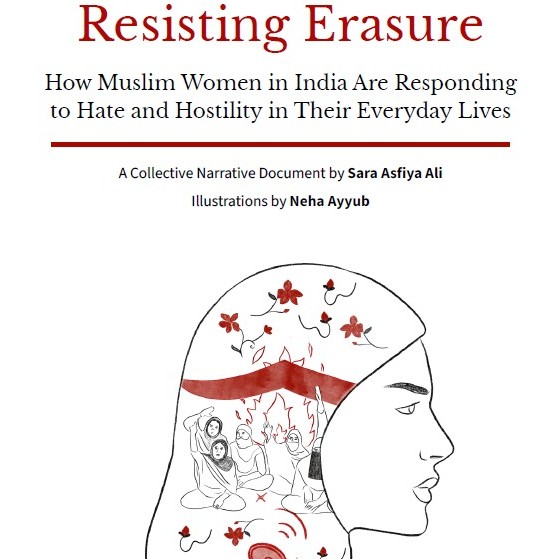
Sara Asfiya Ali shares a practice note about the creation of a collective narrative document called “Resisting erasure: How Muslim women in India are responding to hate and hostility”. The document brings together the voices of Muslim women living across urban India. It centres the voices of Muslim women responding to everyday Islamophobia. Through shared stories of childhood, education, family life, work, motherhood, faith and public life, the document highlights the skills, values, knowledges and commitments that Muslim women draw on as they navigate hostility, othering and hate. Grounded in collective narrative practice, this document weaves individual testimonies into a shared voice, illuminating both the impact of social violence and the everyday acts of resistance, refusal, care and dignity that often go unseen. Alongside written narratives, the document includes illustrations that offer a visual language for memory, presence and response. Readers are invited not as analysts but as witnesses and are encouraged to reflect on what these stories make visible about Muslim women’s lives, agency and ongoing struggles for belonging and justice. The document Sara discusses can be downloaded here: https://dulwichcentre.com.au/resisting-erasure-how-muslim-women-in-india-are-responding-to-hate-and-hostility-sara-asfiya-ali/ Sara Asfiya Ali is a social designer and researcher from Kerala, India. Her work is grounded in listening closely to the needs and lived experiences of diverse communities across the globe and in building ethical, community-centred digital platforms addressing their needs. She is interested in collective narrative practice as a way of documenting and foregrounding the agency of Muslim communities in contexts of marginalisation, and in creating spaces where people can reclaim the right to tell their own stories in their own ways. The collective narrative document described in this practice note emerged from her Diploma in Narrative Therapy and Community Work and from her ongoing engagement with Muslim women in India. Asfiya Ali, S. (2026). Resisting erasure: How Muslim women in India are responding to hate and hostility [Audio recording]. International Journal of Narrative Therapy and Community Work, (1). https://doi.org/10.4320/QDOO9358 *** International Journal of Narrative Therapy and Community Work is published by Dulwich Centre Foundation. More about this recording and a treasure trove of articles, videos, and multimedia works are available from https://narrativetherapyjournal.org It’s all free to access and share with no log-in required. Dulwich Centre is located on the land of the Kaurna people. We acknowledge the Traditional Owners of Country and pay respect to Elders past and present. https://narrativetherapyjournal.org
What this episode covers
Sara Asfiya Ali shares a practice note about the creation of a collective narrative document called “Resisting erasure: How Muslim women in India are responding to hate and hostility”. The document brings together the voices of Muslim women living across urban India. It centres the voices of Muslim women responding to everyday Islamophobia. Through shared stories of childhood, education, family life, work, motherhood, faith and public life, the document highlights the skills, values, knowledges and commitments that Muslim women draw on as they navigate hostility, othering and hate. Grounded in collective narrative practice, this document weaves individual testimonies into a shared voice, illuminating both the impact of social violence and the everyday acts of resistance, refusal, care and dignity that often go unseen. Alongside written narratives, the document includes illustrations that offer a visual language for memory, presence and response. Readers are invited not as analysts but as witnesses and are encouraged to reflect on what these stories make visible about Muslim women’s lives, agency and ongoing struggles for belonging and justice. The document Sara discusses can be downloaded here: https://dulwichcentre.com.au/resisting-erasure-how-muslim-women-in-india-are-responding-to-hate-and-hostility-sara-asfiya-ali/ Sara Asfiya Ali is a social designer and researcher from Kerala, India. Her work is grounded in listening closely to the needs and lived experiences of diverse communities across the globe and in building ethical, community-centred digital platforms addressing their needs. She is interested in collective narrative practice as a way of documenting and foregrounding the agency of Muslim communities in contexts of marginalisation, and in creating spaces where people can reclaim the right to tell their own stories in their own ways. The collective narrative document described in this practice note emerged from her Diploma in Narrative Therapy and Community Work and from her ongoing engagement with Muslim women in India. Asfiya Ali, S. (2026). Resisting erasure: How Muslim women in India are responding to hate and hostility [Audio recording]. International Journal of Narrative Therapy and Community Work, (1). https://doi.org/10.4320/QDOO9358 *** International Journal of Narrative Therapy and Community Work is published by Dulwich Centre Foundation. More about this recording and a treasure trove of articles, videos, and multimedia works are available from https://narrativetherapyjournal.org It’s all free to access and share with no log-in required. Dulwich Centre is located on the land of the Kaurna people. We acknowledge the Traditional Owners of Country and pay respect to Elders past and present. https://narrativetherapyjournal.org
NOW PLAYING
Resisting erasure: How Muslim women in India are responding to hate and hostility by Sara Asfiya Ali
No transcript for this episode yet
Similar Episodes
No similar episodes found.
Similar Podcasts
No similar podcasts found.