
EPISODE · Aug 2, 2020 · 38 MIN
RT10 - Dr Kara Kockelman - Self-driving vehicle fleets: a new form of transit
from Researching Transit · host Public Transport Research Group
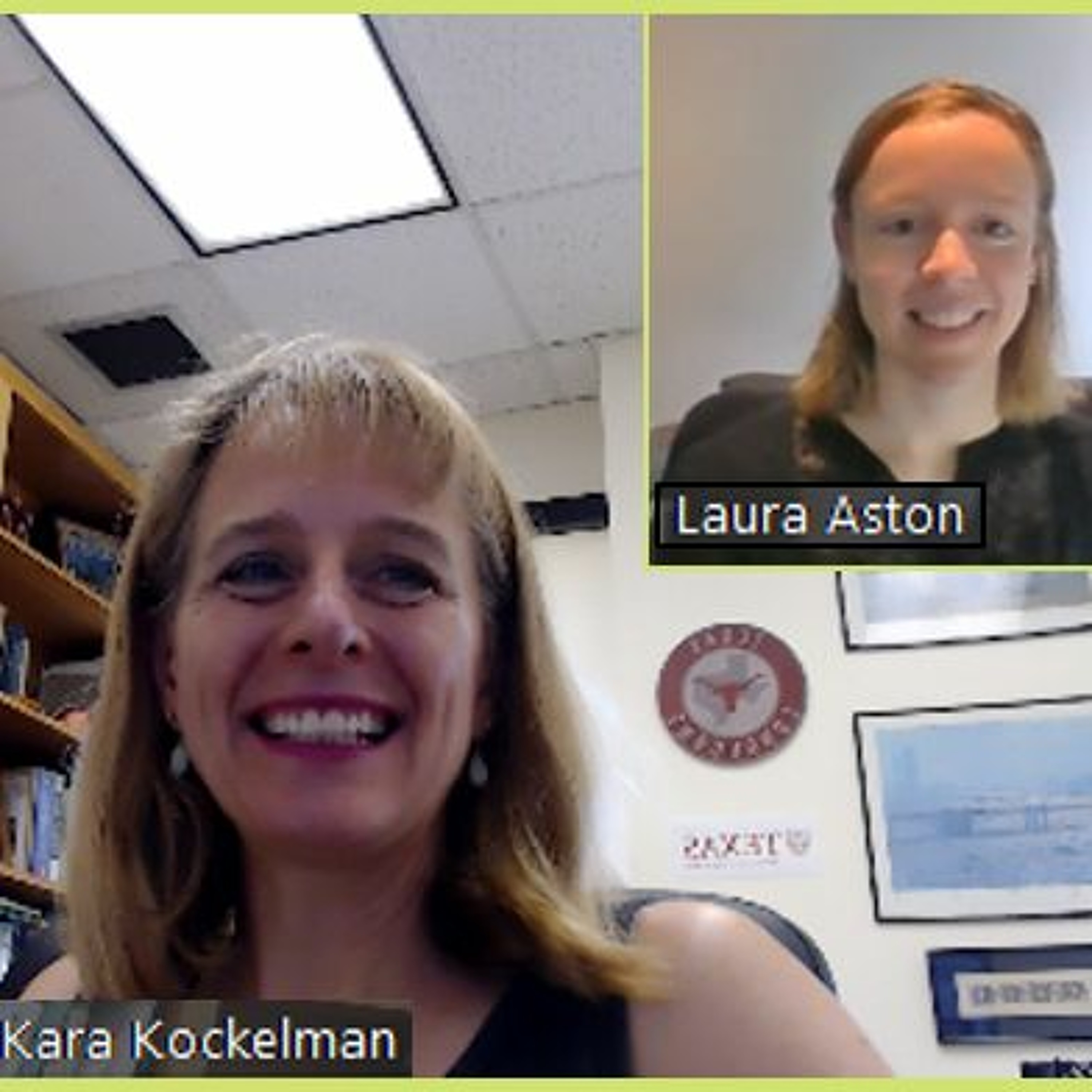
In our tenth show, we explore a variety of topics that showcase Dr Kara Kockelman’s curiosity and the collaboration across disciplines that is a hallmark of her research. Dr Kockelman provides a refreshing take on the power of statistics as a tool for making sense of information. It has allowed her to probe a range of issues and bridge topics such as transport and land use, welfare and congestion. We speak about her early work at the nexus of transport and land use, when interest was first directed toward the role of planning in affecting traffic outcomes. Based on extensive research, Dr Kara Kockelman provides a clear picture of shared autonomy and its distinct safety and efficiency advantages. According to Dr Kockelman, designing compact AVs which run on electric power, and operate on a dynamic ridesharing basis, will be essential for keeping congestion down and fostering sustainable mobility. “Every time we make driving easier, we get more of it. Those downsides were a concern to me… I wanted to think about how we can mitigate those accompanying issues.” Dr Kockelmam speaks about a model for SAV operation in which they are run by transit operators. SAVs operating in centralised fleets will be nimble, demand-responsive and able to take advantage of existing infrastructure investments. The role of conventional transit, however, will likely diminish, with central SAV fleets offering a more flexible and frequent service. She suggests private ridesharing models will continue to play a role among those wanting the most flexible and individualised service. This new style of publicly-deployed mobility has significant equity advantages; removing the ability to drive as a prerequisite for automobility. We shift our conversation to one of Dr Kockelman’s co-curricular pursuits; the Bridging Transportation Research virtual conference series. Dr Kockelman gained some valuable experience with virtual conferencing pre-pandemic, with the inaugural BTR in January 2019. With COVID-19 putting a halt on international conference travel, the second BTR has been brought forward to 11-12 August. Kara explains the issues of equity, cost, fatigue and environmental impacts that inspired her to initiate the conference series together with hard working colleagues from around the world. The second BTR sees 70 registrations, up from 18. This uptake reflects an increase in exposure and traction, but is also a sign of COVID-19 changing the game for virtual conferencing both in the short and long term. The pandemic has shone a light on the ease and convenience of conferencing, taking the focus away from those aspects of conferences that are less readily substituted. Dr Kockelman and her team are committed to keeping the conference free and open and welcome volunteers to help deliver the BTR series. Find out ways to get involved, including registering for future conferences at bridgingtransport.org Kara closes our conversation with an authentic reflection on the simple approach that guides her impactful research: “By teaming you really can address a lot more questions than you yourself might be able to… Just keep your eyes open for what’s important.” Find out more about Dr Kockelman, including contact information, by visiting her website https://www.caee.utexas.edu/prof/kockelman/. There you’ll find a wealth of open access research sorted by topic, ranging from autonomous vehicles to traffic safety, modelling and pricing. Chapter eight of The Economics of Transportation Systems: A Reference for Practitioners, co-authored by Dr Kockelman, explores the use econometrics for transportation data analysis. The book is available as an open source resource at https://www.caee.utexas.edu/prof/kockelman/TransportationEconomics_Website/TranspEconReference.pdf For information about the Bridging Transportation Research online conference, visit bridgingtransport.org Music from this episode is from https://www.purple-planet.com
What this episode covers
In our tenth show, we explore a variety of topics that showcase Dr Kara Kockelman’s curiosity and the collaboration across disciplines that is a hallmark of her research. Dr Kockelman provides a refreshing take on the power of statistics as a tool for making sense of information. It has allowed her to probe a range of issues and bridge topics such as transport and land use, welfare and congestion. We speak about her early work at the nexus of transport and land use, when interest was first directed toward the role of planning in affecting traffic outcomes. Based on extensive research, Dr Kara Kockelman provides a clear picture of shared autonomy and its distinct safety and efficiency advantages. According to Dr Kockelman, designing compact AVs which run on electric power, and operate on a dynamic ridesharing basis, will be essential for keeping congestion down and fostering sustainable mobility. “Every time we make driving easier, we get more of it. Those downsides were a concern to me… I wanted to think about how we can mitigate those accompanying issues.” Dr Kockelmam speaks about a model for SAV operation in which they are run by transit operators. SAVs operating in centralised fleets will be nimble, demand-responsive and able to take advantage of existing infrastructure investments. The role of conventional transit, however, will likely diminish, with central SAV fleets offering a more flexible and frequent service. She suggests private ridesharing models will continue to play a role among those wanting the most flexible and individualised service. This new style of publicly-deployed mobility has significant equity advantages; removing the ability to drive as a prerequisite for automobility. We shift our conversation to one of Dr Kockelman’s co-curricular pursuits; the Bridging Transportation Research virtual conference series. Dr Kockelman gained some valuable experience with virtual conferencing pre-pandemic, with the inaugural BTR in January 2019. With COVID-19 putting a halt on international conference travel, the second BTR has been brought forward to 11-12 August. Kara explains the issues of equity, cost, fatigue and environmental impacts that inspired her to initiate the conference series together with hard working colleagues from around the world. The second BTR sees 70 registrations, up from 18. This uptake reflects an increase in exposure and traction, but is also a sign of COVID-19 changing the game for virtual conferencing both in the short and long term. The pandemic has shone a light on the ease and convenience of conferencing, taking the focus away from those aspects of conferences that are less readily substituted. Dr Kockelman and her team are committed to keeping the conference free and open and welcome volunteers to help deliver the BTR series. Find out ways to get involved, including registering for future conferences at bridgingtransport.org Kara closes our conversation with an authentic reflection on the simple approach that guides her impactful research: “By teaming you really can address a lot more questions than you yourself might be able to… Just keep your eyes open for what’s important.” Find out more about Dr Kockelman, including contact information, by visiting her website https://www.caee.utexas.edu/prof/kockelman/. There you’ll find a wealth of open access research sorted by topic, ranging from autonomous vehicles to traffic safety, modelling and pricing. Chapter eight of The Economics of Transportation Systems: A Reference for Practitioners, co-authored by Dr Kockelman, explores the use econometrics for transportation data analysis. The book is available as an open source resource at https://www.caee.utexas.edu/prof/kockelman/TransportationEconomics_Website/TranspEconReference.pdf For information about the Bridging Transportation Research online conference, visit bridgingtransport.org Music from this episode is from https://www.purple-planet.com
NOW PLAYING
RT10 - Dr Kara Kockelman - Self-driving vehicle fleets: a new form of transit
No transcript for this episode yet
Similar Episodes
May 14, 2026 ·17m
May 13, 2026 ·19m
May 12, 2026 ·17m
May 11, 2026 ·41m