
EPISODE · Nov 22, 2020 · 42 MIN
RT18 - Dr John Hultén - Public transport research partnerships in Sweden
from Researching Transit · host Public Transport Research Group
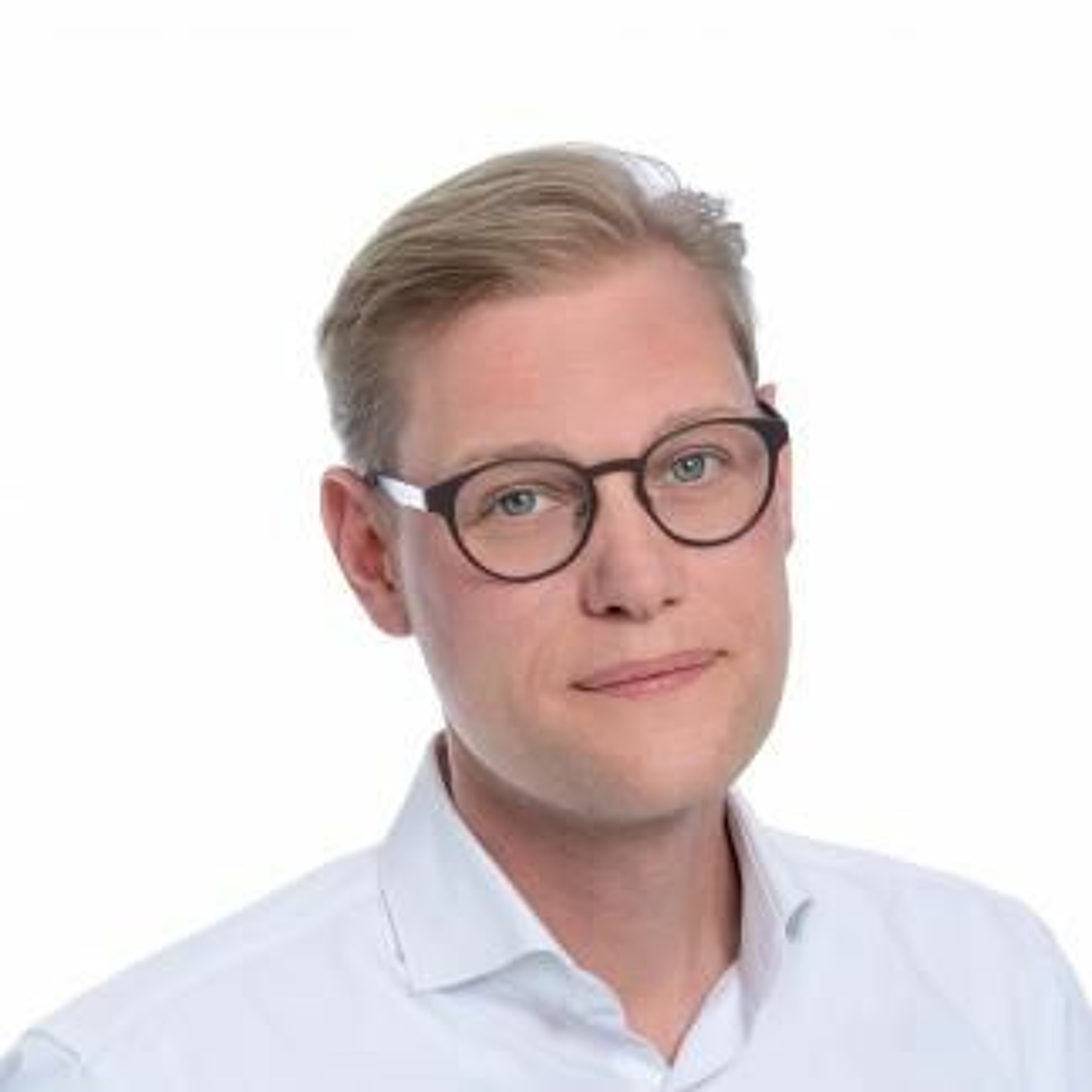
In this episode of Researching Transit, Professor Graham Currie speaks with Dr John Hultén from K2; the Swedish Knowledge Centre for Public Transport. Directed by Dr Hultén, K2 derives its name from the Swedish words kollektivtrafik (public transportation) and kunskap (knowledge). The centre was formed out of a drive for more comprehensive and integrated public transport research in 2013. It operates under a unique partnership model, bringing together two universities, a research institute and the three metropolitan regions which govern Sweden’s public transport. K2’s research agenda was defined by Sweden’s public transportation actors. Focus areas include: • the future of mobility, • markets for, and funding of, public transport, • the impact of interventions on public transport performance, • integrated transport planning and • public transport for all, which captures the social aspects of public transport. This interdisciplinary agenda reflects the decision-making focus that Dr Hultén, a political scientist by training, regards as an important and traditionally overlooked research area for public transport. The centre oversees both small, rapid projects; as well as larger projects. A requirement of project funding is a certain level of engagement and co-development of research projects with the public transport industry. Dr Hultén shares some lessons about the ingredients for successful collaboration between research and practice. Relationships, trust and being able to articulate added value lie at the heart of K2’s success. Their added value is its critical mass of important partners, and its ability to provide a one-stop shop for practitioners to engage with academia. Current issues for public transport research in Sweden include the future of public transport, sustainable mobility choices outside cities and procurement. Recent focus on increasing transit’s market share has seen transit concentrated into cities, where there is high ridership demand. Yet in Sweden, a large proportion of the population lives outside the city. New ways must be found to provide sustainable mobility choices for people living outside urban areas. K2 also has a strong focus on procurement. Their research continues to investigate the effect of incentives in public transport operating contract on ridership performance. So far, no conclusive evidence that incentives promote ridership. “Incentives are not enough. You also need to have freedom to do things as an operator. If you don’t have that freedom, you can’t change anything in accordance with incentives.” As in many other countries and cities, Swedish public transport fares are fixed, as are service areas and route alignments. This inhibits operators’ ability to innovate to meet the incentives. The COVID-19 pandemic has further highlighted the lack of sensitivity of contracting arrangements to the ridership fluctuation experienced during the COVI-19 pandemic. To access K2’s research outputs, visit http://www.k2centrum.se/en. Dr Hultén encourages anyone interested in collaborating with K2 to get in touch. Sing up for updates when we release shows: http://eepurl.com/g9tCdb Music from this episode is from https://www.purple-planet.com
What this episode covers
In this episode of Researching Transit, Professor Graham Currie speaks with Dr John Hultén from K2; the Swedish Knowledge Centre for Public Transport. Directed by Dr Hultén, K2 derives its name from the Swedish words kollektivtrafik (public transportation) and kunskap (knowledge). The centre was formed out of a drive for more comprehensive and integrated public transport research in 2013. It operates under a unique partnership model, bringing together two universities, a research institute and the three metropolitan regions which govern Sweden’s public transport. K2’s research agenda was defined by Sweden’s public transportation actors. Focus areas include: • the future of mobility, • markets for, and funding of, public transport, • the impact of interventions on public transport performance, • integrated transport planning and • public transport for all, which captures the social aspects of public transport. This interdisciplinary agenda reflects the decision-making focus that Dr Hultén, a political scientist by training, regards as an important and traditionally overlooked research area for public transport. The centre oversees both small, rapid projects; as well as larger projects. A requirement of project funding is a certain level of engagement and co-development of research projects with the public transport industry. Dr Hultén shares some lessons about the ingredients for successful collaboration between research and practice. Relationships, trust and being able to articulate added value lie at the heart of K2’s success. Their added value is its critical mass of important partners, and its ability to provide a one-stop shop for practitioners to engage with academia. Current issues for public transport research in Sweden include the future of public transport, sustainable mobility choices outside cities and procurement. Recent focus on increasing transit’s market share has seen transit concentrated into cities, where there is high ridership demand. Yet in Sweden, a large proportion of the population lives outside the city. New ways must be found to provide sustainable mobility choices for people living outside urban areas. K2 also has a strong focus on procurement. Their research continues to investigate the effect of incentives in public transport operating contract on ridership performance. So far, no conclusive evidence that incentives promote ridership. “Incentives are not enough. You also need to have freedom to do things as an operator. If you don’t have that freedom, you can’t change anything in accordance with incentives.” As in many other countries and cities, Swedish public transport fares are fixed, as are service areas and route alignments. This inhibits operators’ ability to innovate to meet the incentives. The COVID-19 pandemic has further highlighted the lack of sensitivity of contracting arrangements to the ridership fluctuation experienced during the COVI-19 pandemic. To access K2’s research outputs, visit http://www.k2centrum.se/en. Dr Hultén encourages anyone interested in collaborating with K2 to get in touch. Sing up for updates when we release shows: http://eepurl.com/g9tCdb Music from this episode is from https://www.purple-planet.com
NOW PLAYING
RT18 - Dr John Hultén - Public transport research partnerships in Sweden
No transcript for this episode yet
Similar Episodes
May 14, 2026 ·17m
May 13, 2026 ·19m
May 12, 2026 ·17m
May 11, 2026 ·41m