
EPISODE · Jan 3, 2026 · 3 MIN
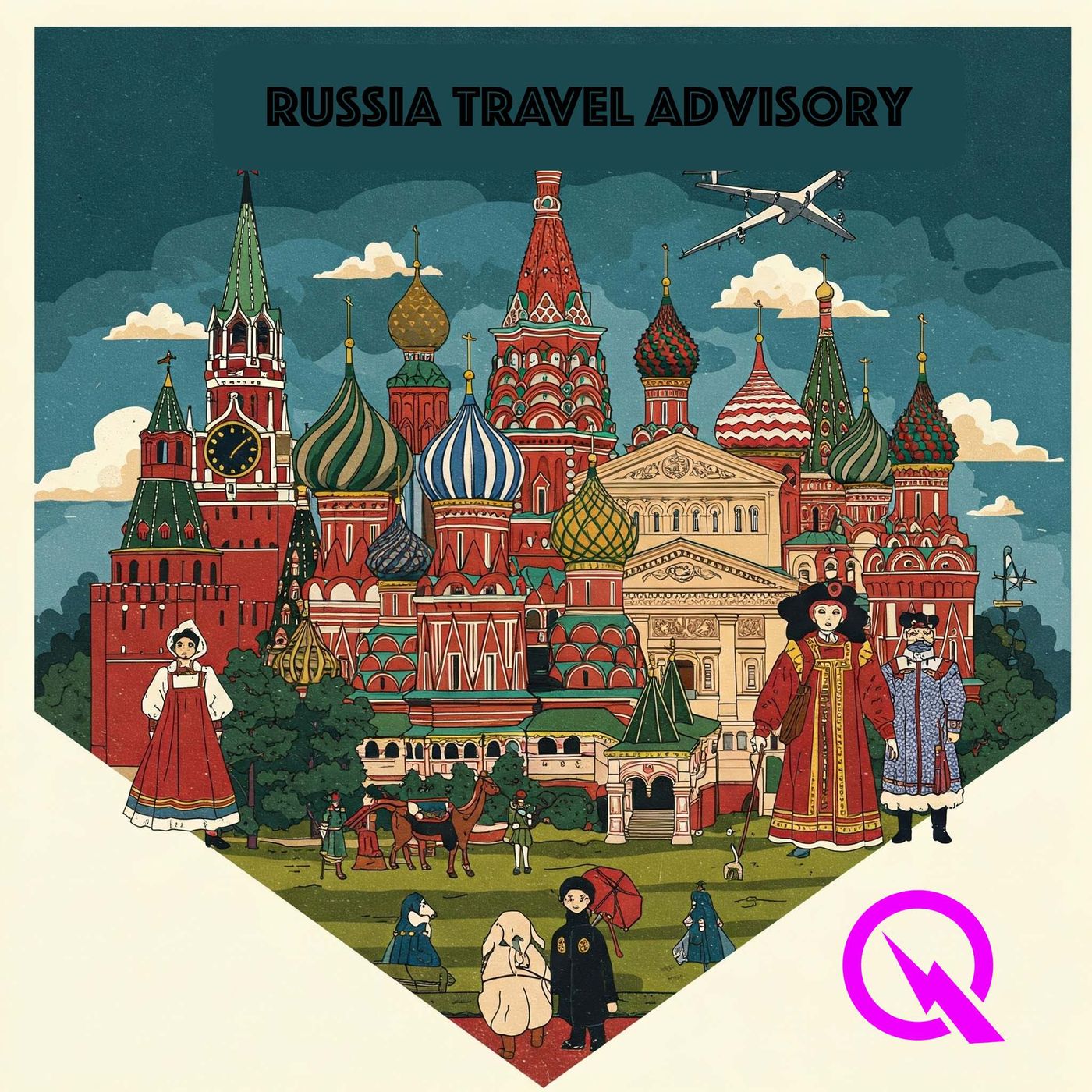
Russia Travel Warning: Essential Safety Guide for Americans Amid Terrorism Risks, Diplomatic Tensions, and Potential Detention Threats
from Russia Travel Advisory · host Inception Point AI
Listeners, if you're dreaming of Russia's grand cathedrals, bustling metros, and snow-dusted streets, pause and listen closely—the U.S. Department of State has issued its starkest warning yet: Level 4, Do Not Travel to Russia, urging all American citizens there to leave immediately due to the ongoing war with Ukraine, rampant terrorism risks, and the real danger of harassment, wrongful detention, or extortion by authorities. This advisory, updated as recently as December 29, 2025, by Travel.State.Gov, highlights how the U.S. government has slashed embassy staff in Moscow, suspended all consulates nationwide, and faces severe travel restrictions that cripple any help for those in need, especially beyond major cities. Drone strikes and explosions rattle areas near the Ukraine border and even pierce the heart of Moscow, Kazan, and St. Petersburg, while the 2024 ISIS-Khorasan massacre at Crocus City Hall that claimed 130 lives underscores that terrorists strike without mercy, targeting crowds and even places of worship in Dagestan. Travel.State.Gov warns of martial law in border regions like Bryansk, Kursk, and Belgorod since October 2022, with U.S. personnel outright banned from the volatile North Caucasus, including Chechnya. Fresh reports from Travelandtourworld.com on January 2, 2026, bundle Russia with Belarus and Iraq in urgent alerts over arbitrary arrests, civil unrest, and terrorism, painting a picture of a nation where U.S. cards don't work, money transfers fail due to sanctions, and even logging into social media could land you in indefinite detention. Yet some voices, like Russiable.com, paint a contrasting scene for cautious tourists: life hums normally in Moscow and St. Petersburg, with packed restaurants, reliable metros, and open hotels, as long as you steer clear of Ukraine border zones, protests, or political chatter—stressing that tourist visas flow steadily despite no direct flights. Lidenz.com echoes this for 2026 visitors, advising you to tote your passport, visa, insurance copy everywhere, brace for border device checks akin to U.S. entry scrutiny, and dodge public gatherings or photos of them, while noting cities feel safe otherwise and domestic trains run smoothly. They urge checking your government's advice and building in extra itinerary buffers if you ignore the warnings. Thetraveler.org details how this December 2025 escalation aligns Russia with high-risk peers like Iran and Yemen, advising ironclad evacuation insurance, a low profile, scrubbed social media, and minimal device data to evade the thin line between sightseeing and security snares. LIGA.net reports the State Department's fresh call to log out of all social accounts entirely while there, amid fears of provocations and unlawful grabs. Tourism itself lags with lax safety standards, per Travel.State.Gov—no routine inspections, untrained staff, and first responders unable to reach remote spots, pushing medical evac insurance as essential, especially since many This content was created in partnership and with the help of Artificial Intelligence AI.
Embed this episode
NOW PLAYING
Russia Travel Warning: Essential Safety Guide for Americans Amid Terrorism Risks, Diplomatic Tensions, and Potential Detention Threats
No transcript for this episode yet
Similar Episodes
No similar episodes found.
Similar Podcasts
No similar podcasts found.