
EPISODE · Apr 29, 2026 · 23 MIN
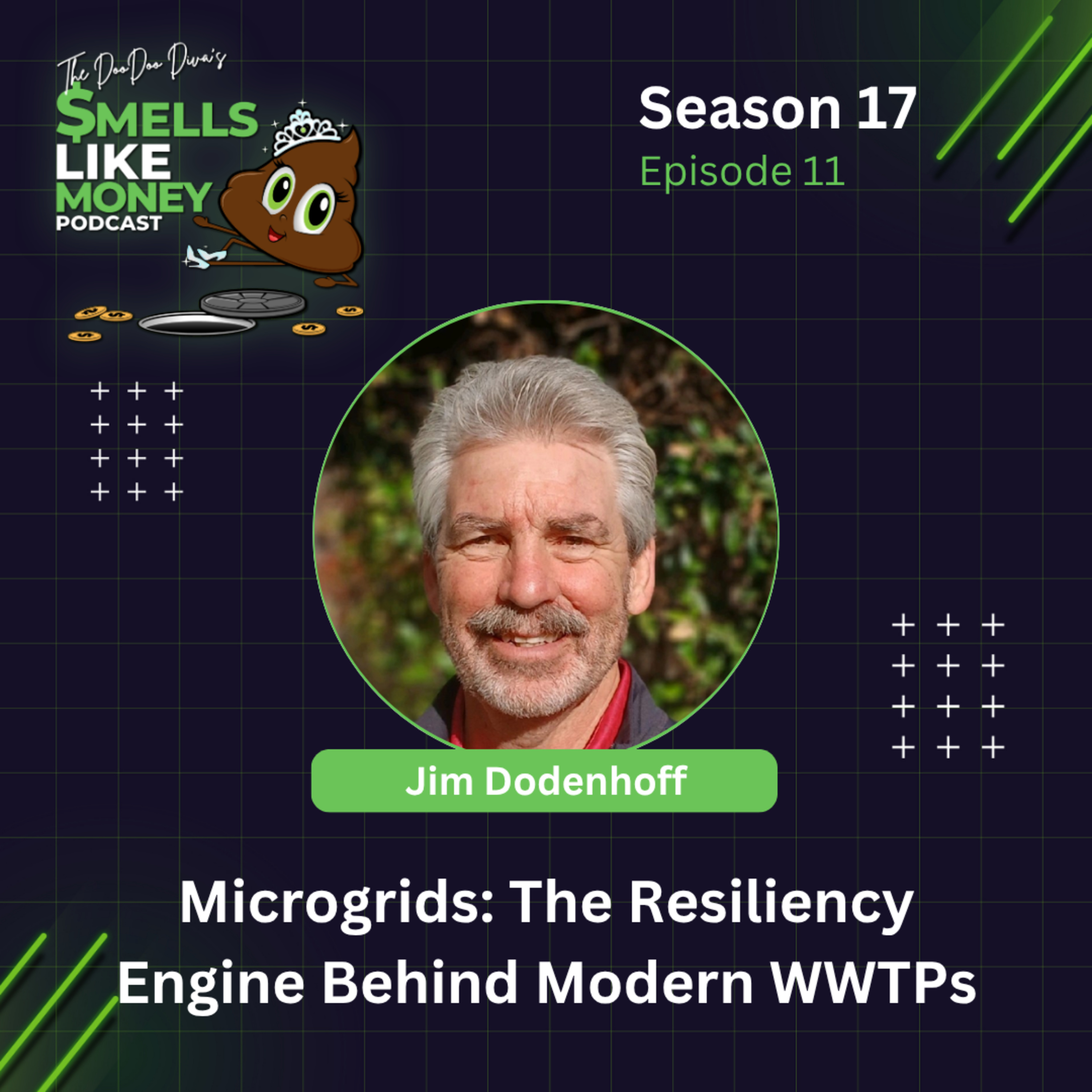
S17 E11: Microgrids: The Resiliency Engine Behind Modern WWTPs with Jim Dodenhoff
from The DooDoo Diva's Smells Like Money Podcast · host Suzan Marie Chin-Taylor
In the second part of my series on resiliency, I am joined by Jim Dodenhoff to explore the practical application of microgrids within wastewater treatment plants (WWTPs). We move beyond the conceptual importance of resiliency to demystify what a microgrid actually is and why these systems are the modern "resiliency engines" that keep mission critical infrastructure running when the main electrical grid fails. Key Discussion Points:- Defining the Microgrid: Jim Dodenhoff defines it as a complex system with three layers: on-site energy resources, the electrical load, and the infrastructure that connects them.- The "Islanding" Capability: Microgrids allow a site to safely disconnect from the main electrical grid and operate independently using on-site power like batteries or fuel cells.- Protecting Critical Load: Most systems aim to sustain essential operations for four to eight hours, though some facilities can remain self-sufficient for days.- Vulnerability of WWTPs: Wastewater plants are ideal candidates for this technology because they have limited redundancy and must remain operational 24/7 to protect public health.- Building Blocks of Resiliency: Key components include Combined Heat and Power (CHP) from on-site methane, energy storage batteries, and adjacent renewable sources like solar or wind.- Economic Benefits of Peak Shaving: Using stored battery power during expensive peak utility hours allows plants to generate savings and reduce overall electricity costs.- Microgrid as a Service (MaaS): New financing models allow utilities to pay for the electricity used rather than making a massive upfront capital investment.Connect with Jim Dodenhoff:Founder: Silent RunningEmail: [email protected]: https://www.linkedin.com/in/jimdodenhoff/Website: silentrunning.bizI hope you find this episode as informative and as exciting as we have.Please let us know your thoughts about the episode!Connect with Suzan Chin-Taylor, host of The DooDoo Diva's Smells Like Money Podcast:Website: www.creativeraven.com | https://thetuitgroup.com/LinkedIn: https://www.linkedin.com/in/creativeraven/Email: [email protected] Telephone: +1 760-217-8010Listen and subscribe here to your favorite platform:Apple Podcast - Google Podcast - Cast Box - Overcast - Pocket Casts - YouTube - Spotifyhttps://creativeraven.com/smells-like-money-podcast/ Subscribe to the Podcast:https://creativeraven.com/smells-like-money-podcast/Be a guest on our show:https://calendly.com/thetuitgroup/be-a-podcast-guestCheck Out my NEW Digital Marketing E-Course & Coaching Program just for Wastewater Pros:https://store.thetuitgroup.com/diy-digital-marketing-playbook-for-wastewater-pros#WastewaterManagement #Microgrids #RenewableEnergy #CleanWater #InfrastructureResiliency #EnvironmentalTechnology #Sustainability #GreenEnergy #WWTP #ClimateResilience #PublicWorks #Utilities #SustainableInfrastructure #WaterIndustry #EnergyEfficiency
Embed this episode
NOW PLAYING
S17 E11: Microgrids: The Resiliency Engine Behind Modern WWTPs with Jim Dodenhoff
No transcript for this episode yet
Similar Episodes
No similar episodes found.
Similar Podcasts
No similar podcasts found.