
EPISODE · Jun 28, 2024 · 19 MIN
S1E10: Psychosis
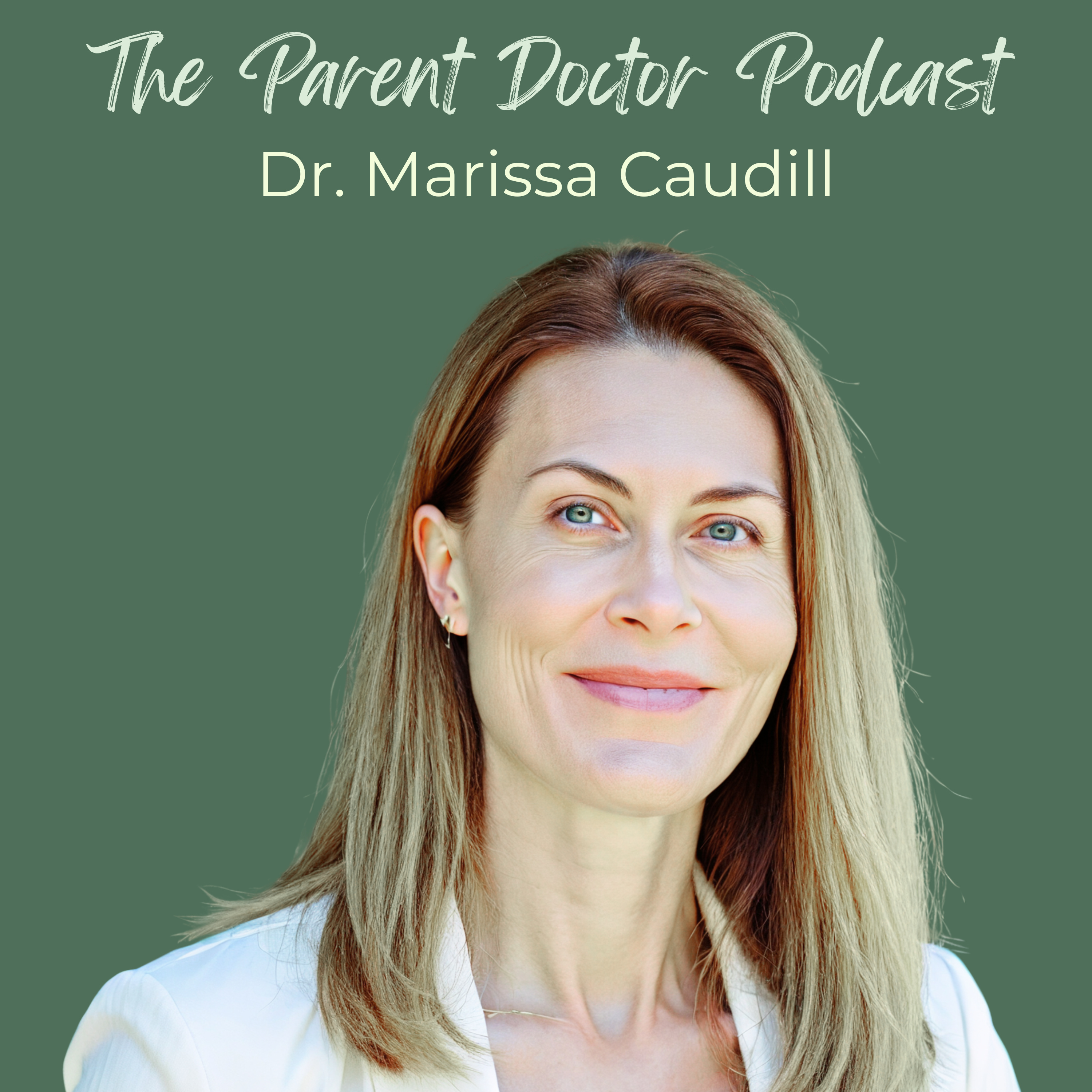
from The Parent Doctor Podcast · host Dr. Marissa Caudill
Hello, and welcome back to The Parent Doctor Podcast. I'm your host, Dr. Marissa Caudill. Please rate and follow this podcast to help spread this resource, and be sure to visit theparentdoctor.com to sign up for my newsletter or join the monthly book club, both are FREE! Interested in working with me directly? Sign up for my monthly Office Hours call here. Today’s episode covers a critical but rare topic: psychosis in kids and young adults. Despite its rarity, early detection of thought disorders like schizophrenia and schizoaffective disorder is vital for effective treatment and improved outcomes. Psychosis typically manifests in late teens to early twenties, with a second peak for women around age 50, often linked to hormonal changes during menopause. Women with a history of postpartum depression, psychosis, or bipolar disorder are at increased risk. Recognizing symptoms early is crucial. Negative symptoms of schizophrenia include affective flattening (reduced emotional expression), alogia (impaired thinking affecting speech), anhedonia (lack of enjoyment in activities), asociality (reduced desire for social interaction), and avolition (lack of motivation). Positive symptoms include hallucinations, delusions, disorganized speech and behavior, and catatonia (holding unusual postures for extended periods). If you notice significant behavioral changes in your child, especially during adolescence, trust your instincts and seek professional help. Early intervention leads to better outcomes, so it’s essential to get an assessment if you’re concerned. Risk factors for psychosis include genetics, trauma, drug use, and stress. While most people with these risk factors won’t develop psychosis, a susceptible brain combined with these triggers can lead to the illness. Programs like the NIH’s RAISE and EpiNet offer community-based, coordinated specialty care, including psychotherapy, family support, medication management, and more. I’ll provide links to these programs and a PDF about understanding psychosis in the show notes. Spirituality can play a role in mental health, helping individuals separate their true self from their thoughts and emotions. For caregivers, connecting spiritually and offering nonjudgmental support is crucial. If you or your child are experiencing psychosis, seek support from organizations like NAMI. Early detection and treatment lead to better outcomes, so don’t hesitate to seek help if you notice concerning changes. In our next episode, we’ll discuss OCD, wrapping up our clinical topics for this season before a summer break. Thank you for listening, and remember, you’re not alone. Effective treatments and new medications offer hope for better outcomes. For more information, visit theparentdoctor.com. You can sign up for my free newsletter and join our monthly book club. In July 2024, we’ll discuss “The Opposite of Spoiled” by Ron Lieber, a valuable resource on raising financially responsible kids. If you found this episode helpful, please take a moment to rate and follow the podcast on whatever platform you're listening on. Your support helps us reach more parents in need of guidance. Take care, and talk to you soon. Bye! RESOURCES: https://www.nimh.nih.gov/research/research-funded-by-nimh/research-initiatives/early-psychosis-intervention-network-epinet https://nationalepinet.org/ NAMI.org https://www.nimh.nih.gov/sites/default/files/documents/health/publications/understanding-psychosis/23-MH-8110-Understanding-Psychosis.pdf Join me next Friday for episode 11. Take care! 💕 Dr. Marissa
What this episode covers
Hello, and welcome back to The Parent Doctor Podcast. I'm your host, Dr. Marissa Caudill. Please rate and follow this podcast to help spread this resource, and be sure to visit theparentdoctor.com to sign up for my newsletter or join the monthly book club, both are FREE! Interested in working with me directly? Sign up for my monthly Office Hours call here. Today’s episode covers a critical but rare topic: psychosis in kids and young adults. Despite its rarity, early detection of thought disorders like schizophrenia and schizoaffective disorder is vital for effective treatment and improved outcomes. Psychosis typically manifests in late teens to early twenties, with a second peak for women around age 50, often linked to hormonal changes during menopause. Women with a history of postpartum depression, psychosis, or bipolar disorder are at increased risk. Recognizing symptoms early is crucial. Negative symptoms of schizophrenia include affective flattening (reduced emotional expression), alogia (impaired thinking affecting speech), anhedonia (lack of enjoyment in activities), asociality (reduced desire for social interaction), and avolition (lack of motivation). Positive symptoms include hallucinations, delusions, disorganized speech and behavior, and catatonia (holding unusual postures for extended periods). If you notice significant behavioral changes in your child, especially during adolescence, trust your instincts and seek professional help. Early intervention leads to better outcomes, so it’s essential to get an assessment if you’re concerned. Risk factors for psychosis include genetics, trauma, drug use, and stress. While most people with these risk factors won’t develop psychosis, a susceptible brain combined with these triggers can lead to the illness. Programs like the NIH’s RAISE and EpiNet offer community-based, coordinated specialty care, including psychotherapy, family support, medication management, and more. I’ll provide links to these programs and a PDF about understanding psychosis in the show notes. Spirituality can play a role in mental health, helping individuals separate their true self from their thoughts and emotions. For caregivers, connecting spiritually and offering nonjudgmental support is crucial. If you or your child are experiencing psychosis, seek support from organizations like NAMI. Early detection and treatment lead to better outcomes, so don’t hesitate to seek help if you notice concerning changes. In our next episode, we’ll discuss OCD, wrapping up our clinical topics for this season before a summer break. Thank you for listening, and remember, you’re not alone. Effective treatments and new medications offer hope for better outcomes. For more information, visit theparentdoctor.com. You can sign up for my free newsletter and join our monthly book club. In July 2024, we’ll discuss “The Opposite of Spoiled” by Ron Lieber, a valuable resource on raising financially responsible kids. If you found this episode helpful, please take a moment to rate and follow the podcast on whatever platform you're listening on. Your support helps us reach more parents in need of guidance. Take care, and talk to you soon. Bye! RESOURCES: https://www.nimh.nih.gov/research/research-funded-by-nimh/research-initiatives/early-psychosis-intervention-network-epinet https://nationalepinet.org/ NAMI.org https://www.nimh.nih.gov/sites/default/files/documents/health/publications/understanding-psychosis/23-MH-8110-Understanding-Psychosis.pdf Join me next Friday for episode 11. Take care! 💕 Dr. Marissa
NOW PLAYING
S1E10: Psychosis
No transcript for this episode yet
Similar Episodes
Mar 26, 2026 ·1m
Mar 19, 2026 ·34m
Feb 18, 2026 ·11m
Feb 11, 2026 ·45m