
EPISODE · Aug 10, 2020 · 1H 5M
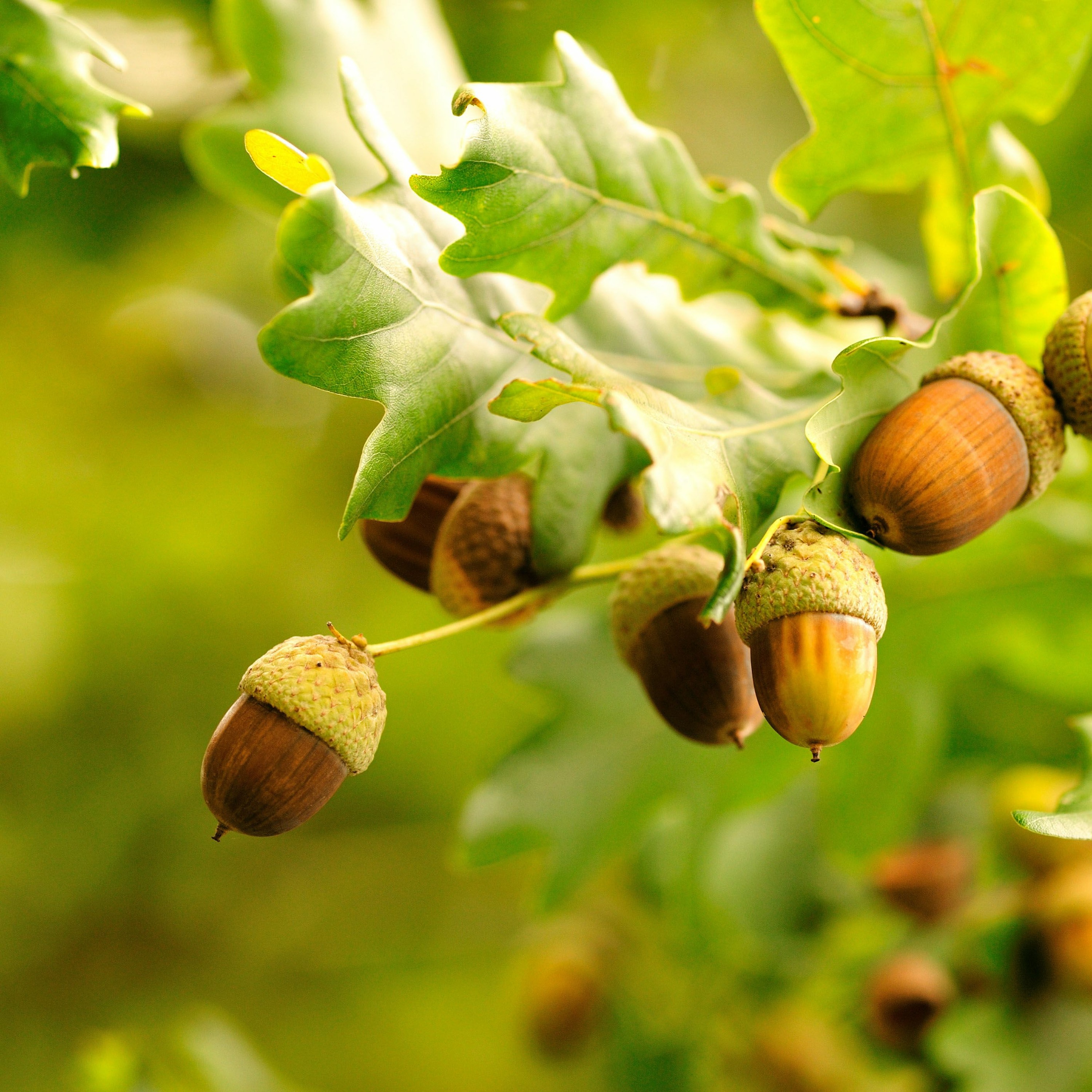
Salmon And Acorns Feed Our People
International guest Professor Kari Marie Norgaard joins Professor Jakelin Troy to discuss violence, denial, cultural identity and Norgaard’s latest book Salmon and Acorns Feed Our People (Rutgers University Press, 2019). Once the third-largest salmon-producing stream in the Western United States, the Klamath River has, as of 2014, fallen to only 4% of its previous productivity. This gives the once wealthy Karuk Tribe the dubious honour of having one of the most dramatic and recent diet shifts in North America. Unable to fulfil their traditional fishermen roles, Karuk people are now among the most impoverished in the state. In Salmon and Acorns Feed Our People, renowned environmental sociologist Kari Norgaard draws upon nearly two decades of examples and insight from Karuk experiences on the Klamath River to illustrate how the ecological dynamics of settler-colonialism are essential for expanding theoretical conversations on health, identity, food, race, and gender that preoccupy many disciplines today. Find out more here.Timestamps 00:00 Introduction and Welcome to Country – David Schlosberg 05:05 Salmon and Acorns Feed Our People – Kari Norgaard 31:10 Education’s Role in Making Indigenous Voices Visible 42:15 The Radical Potential of Indigenous Sight 49:30 Intersectional Anxiety and Environmental Justice Speakers Professor Kari Marie Norgaard, University of Oregon Professor Jakelin Troy, Director of Aboriginal and Torres Strait Islander Research, The University of Sydney Professor David Schlosberg (Chair), Sydney Environment Institute Hosted on Acast. See acast.com/privacy for more information.
Embed this episode
NOW PLAYING
Salmon And Acorns Feed Our People
No transcript for this episode yet
Similar Episodes
No similar episodes found.
Similar Podcasts
No similar podcasts found.