
EPISODE · Jul 18, 2025 · 3 MIN
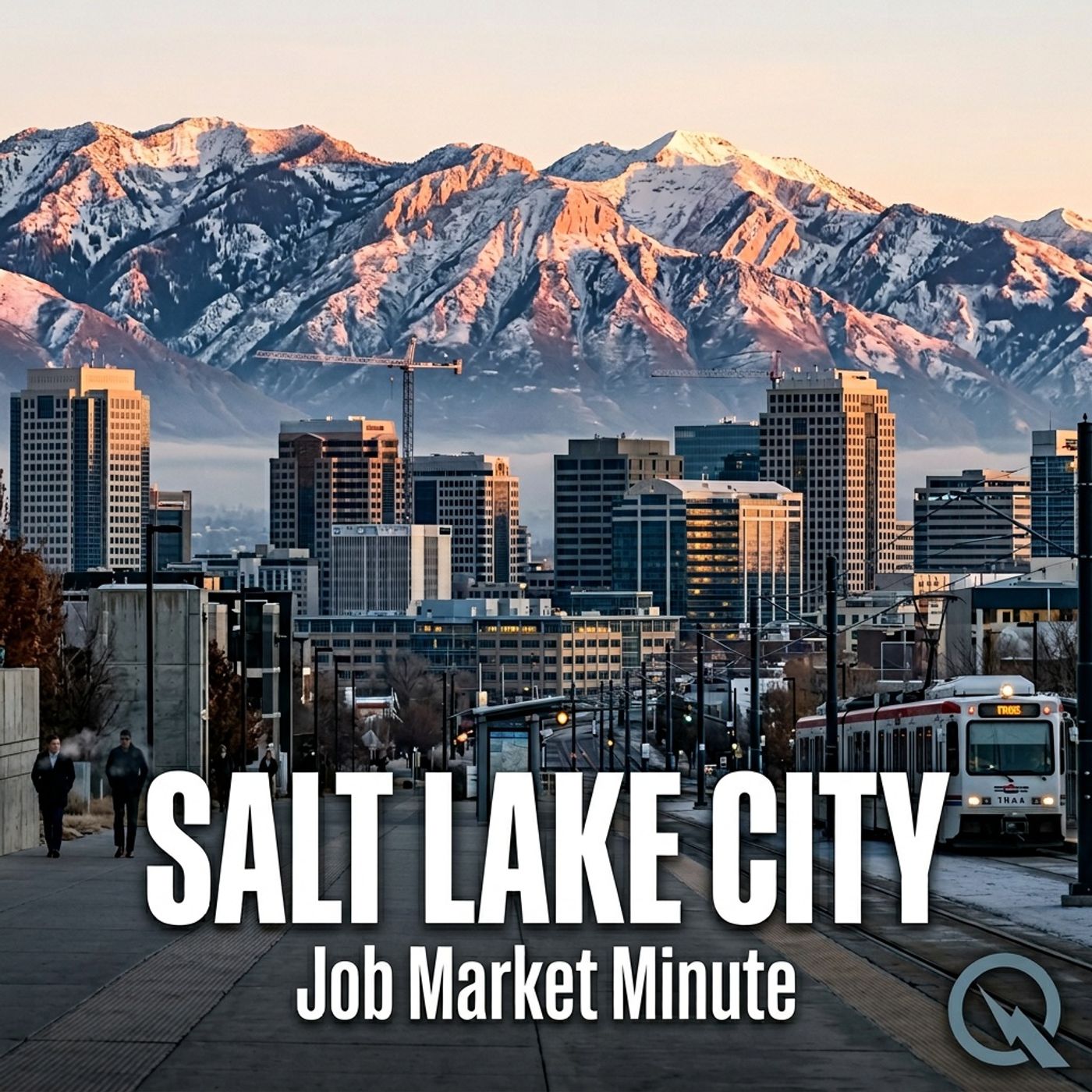
Salt Lake City's Evolving Job Market: Tech, Healthcare, and Public-Private Partnerships
from Salt Lake CIty Job Market Minute · host Inception Point AI
Salt Lake City’s job market is experiencing a period of slower growth with recent data from ADP Research showing it has the lowest metro hiring rate in the country, at just 1.8 percent for new graduates, down from 2.1 percent last year. This puts Salt Lake City at the bottom among 55 major metropolitan areas tracked for new hire momentum. Despite this, the city benefits from a diversified employment landscape anchored by technology, finance, health care, education, and government sectors. Major employers include the University of Utah, Intermountain Healthcare, Zions Bancorporation, and Delta Air Lines. There is also robust activity among software, research, advanced manufacturing, and logistics employers, signaling some resilience and opportunity amid national cooling trends. The National League of Cities’ latest State of the Cities report notes that, despite national economic headwinds, infrastructure investment and public-private partnerships in Salt Lake continue to create long-term job opportunities, especially in tech, clean energy, and STEM. Recent grants from organizations such as Rocky Mountain Power Foundation are strengthening workforce pipelines and STEM skill readiness for students and underserved communities, which suggests an ongoing push towards innovation-intensive industries. While official unemployment data for July is pending, Salt Lake City traditionally trends below the national rate. For the past several years, it has generally ranged between 2.6 and 3.3 percent, reflecting a tight but stable labor market. Current trends indicate that technology, data science, life sciences, education, hospitality, and healthcare remain among the strongest growth areas, with nonprofits and business services showing increased job postings. Interview and onboarding rates have decreased for entry-level and graduate roles, which may reflect macroeconomic caution and slower turnover. The city is not immune to seasonal patterns, typically seeing increased hiring in hospitality and retail in the late summer and around the winter holidays, while professional sectors see higher movement after fiscal years close. City initiatives continue to support economic mobility, such as ongoing investments in transportation and downtown redevelopment and targeted programs to help women and immigrants enter the workforce, as highlighted by community and state-funded upskilling efforts. Commuting trends remain mostly stable, though hybrid and remote work options have reduced daily traffic into the core compared to pre-2020 levels. The Salt Lake City job market in 2025 is defined by cautious optimism amid softening hiring, with ongoing evolution led by technology and health care. Key findings show a resilient core, tempered growth, and strong public-private initiatives for future skills. As of mid-July, noteworthy openings include a Research Development Associate II at the University of Utah, a Business Data Analyst at Edtech.com with pay between $65,000 and $75 This content was created in partnership and with the help of Artificial Intelligence AI.
Embed this episode
Ready to play
Salt Lake City's Evolving Job Market: Tech, Healthcare, and Public-Private Partnerships
No transcript for this episode yet
Similar Episodes
No similar episodes found.