
EPISODE · Nov 3, 2025 · 5 MIN
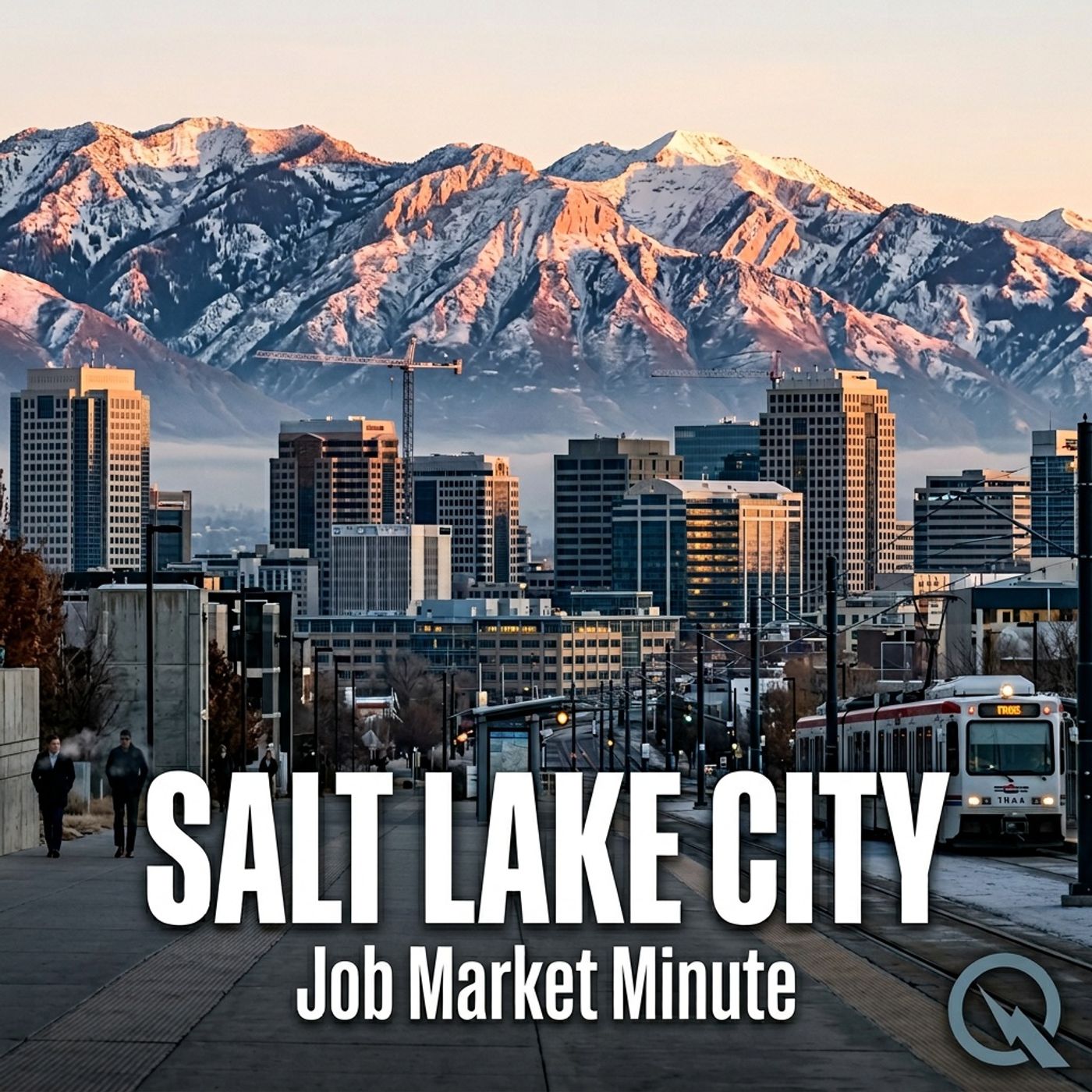
Salt Lake City's Job Market: Balancing Growth, Inflation, and Workforce Challenges
from Salt Lake CIty Job Market Minute · host Inception Point AI
Salt Lake City’s job market is weathering a complex landscape of persistent inflation, moderating employment growth, and evolving industry focus. While Utah’s economy overall remains a national standout for resilience, the pace of job creation has slowed in 2025 compared to the rapid post-pandemic recovery, according to the University of Utah’s Kem C. Gardner Policy Institute. The latest state figures put Salt Lake City’s unemployment rate at 3.3 percent, about a percentage point below the national average, illustrating ongoing demand for labor despite growing economic anxieties. Deseret News notes that more than half of Utah residents report living paycheck to paycheck and twenty-five percent struggle to cover basic expenses. Financial pressure spans all generations, but is felt most acutely by families paying high housing costs, a rising concern as 30 percent spend more than 30 percent of their income on housing. Salt Lake City features major employment sectors including government, healthcare, financial services, information technology, tourism, transportation, and education. Notably, bio-pharmaceutical manufacturing has become a top growth engine, as Global Location Strategies recently ranked Salt Lake City second nationwide for new investment in this sector, just behind Raleigh, North Carolina. This has been driven by national policy shifts encouraging domestic manufacturing, with global pharmaceutical leaders increasing their presence in the metro. Other expanding sectors include tech, logistics, outdoor recreation products, and sustainable energy. Despite a thriving job base, the city faces challenges matching skilled workers with emerging opportunities, particularly in biotech, process manufacturing, and IT. The labor market is further strained by reduced immigration and cost-of-living pressures, as seen in average wages for pharmaceutical workers rising almost 10 percent in five years to $127,000. In response, government and private partners are scaling up apprenticeship programs, university-industry pipelines, and affordable housing options to keep talent local and sustain growth. According to KUTV, Salt Lake City has introduced $14.4 million in new funds for affordable housing and continues to prioritize development that supports workforce stability. Federal developments such as the current government shutdown have disrupted some essential public sector and social service jobs, delayed heating aid for lower-income residents, and created longer lines at local food pantries, emphasizing volatility for those in precarious positions. Seasonal shifts typically see expanded hiring in tourism, hospitality, and retail during Utah’s prominent winter sports season, while transportation and logistics sectors intensify around the holidays. Commuting patterns reflect a growing dependence on local public transit, as affordable housing investments in core urban zones encourage workers to live closer to employers and reduce regional congestion. Re This content was created in partnership and with the help of Artificial Intelligence AI.
Embed this episode
Ready to play
Salt Lake City's Job Market: Balancing Growth, Inflation, and Workforce Challenges
No transcript for this episode yet
Similar Episodes
No similar episodes found.