
EPISODE · Jul 21, 2025 · 9 MIN
Saudi Crown Prince places a calculated bet on foreign soccer club ownership
from The Turbulent World with James M. Dorsey · host James M. Dorsey
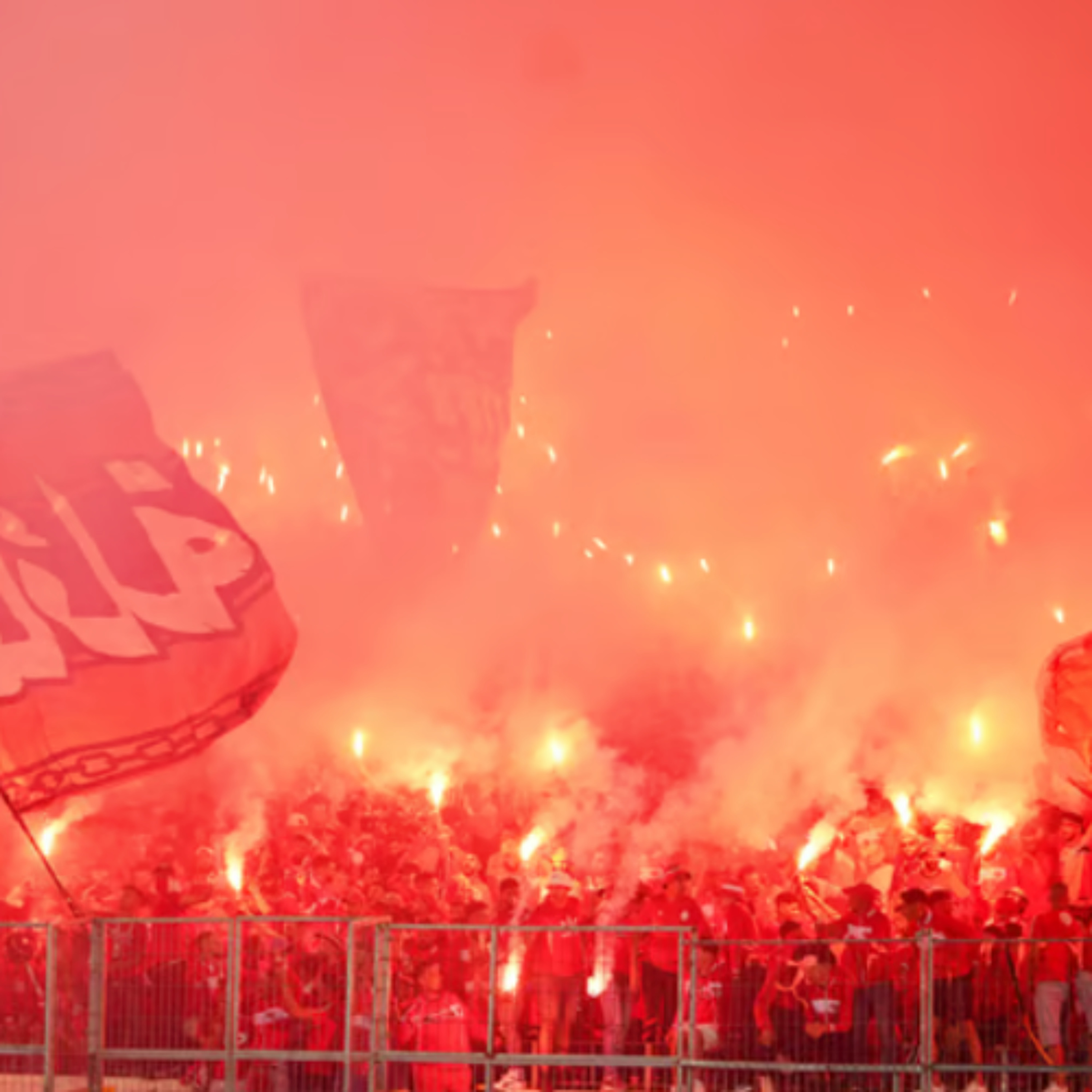
Soccer has long been a tightly controlled double-edged sword for Middle Eastern autocrats. On the one hand, autocrats sought to harness the sport’s popularity that evokes the kind of passion in a soccer crazy part of the world that was traditionally reserved for religion. On the other hand, soccer constituted one of the few arenas in which youth could vent frustration and anger. Soccer’s disruptive potential was evident in 2011 when militant fans played a key role in the Arab popular revolts that toppled the leaders of Tunisia, Egypt, Libya, and Yemen. With world soccer body FIFA disregarding violations of its rules that ban government interference in sports and restrict ownership of premier league clubs to one per owner, governments sought to control the sport’s disruptive power by owning several top clubs or ensuring that individuals with close ties to the regime controlled them. Fifteen years later, autocratic perceptions of soccer’s double-edged sword may be changing. A confluence of developments has, for the first time, prompted Middle Eastern autocrats to contemplate foreign ownership of domestic clubs.
Embed this episode
NOW PLAYING
Saudi Crown Prince places a calculated bet on foreign soccer club ownership
No transcript for this episode yet
Similar Episodes
No similar episodes found.
Similar Podcasts
No similar podcasts found.