
EPISODE · Jul 23, 2025 · 1H 16M
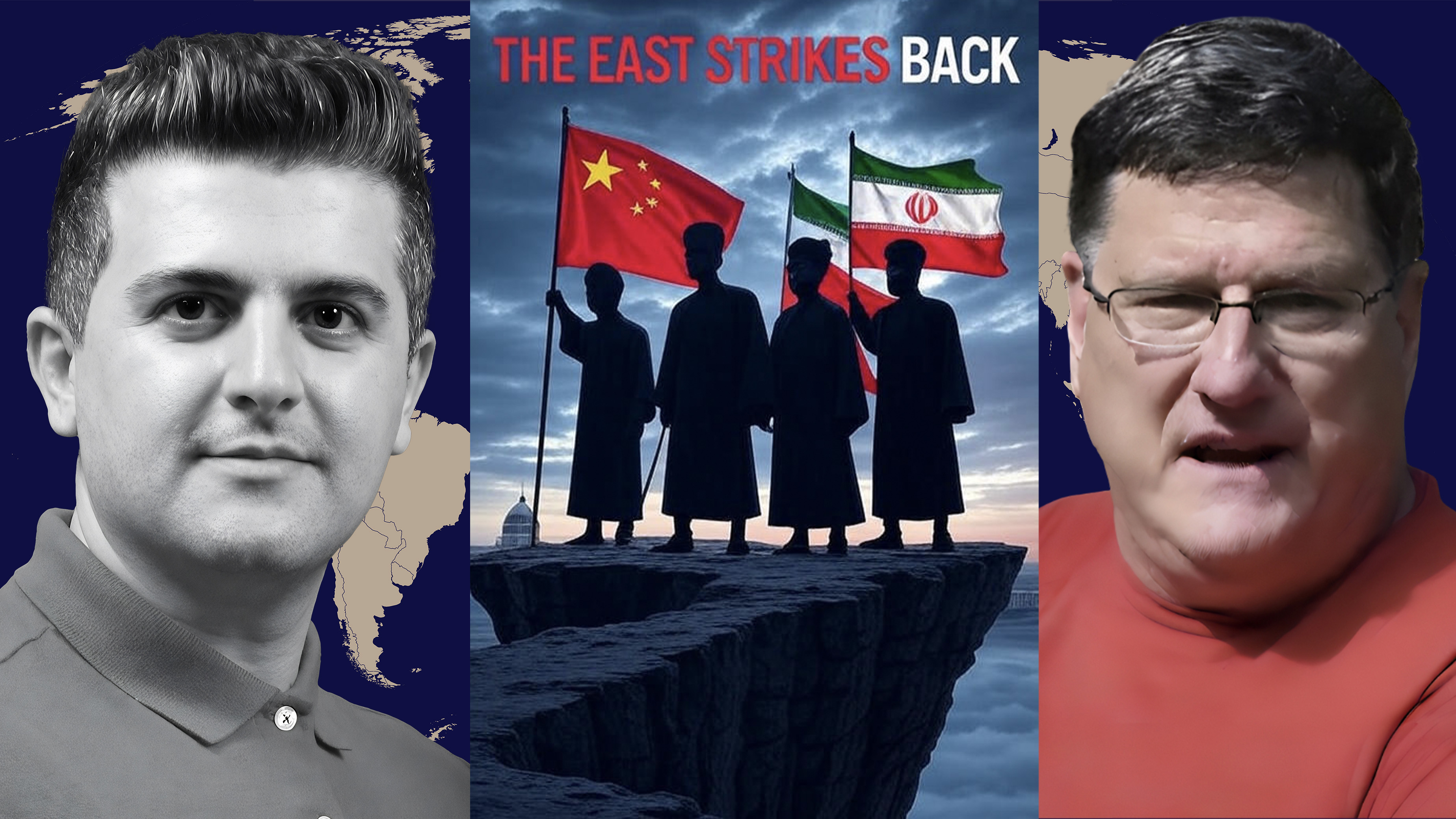
Scott Ritter: The East Fights Back; Iran, Russia & China Unleash Countermeasures!
from Dialogue Works
Nima Rostami Alkhorshid:The U.S. is considering sanctions on Brazil, China, and India to pressure Russia over Ukraine. Senator Lindsey Graham is pushing for 500% tariffs. What’s your take on this strategy?Germany seems tied to Ukraine policy as a way to manage its own internal crises—collapsing economy, energy issues, political division. Is this a sustainable or rational strategy?There are reports Poland is asking its citizens to leave Russia—could this signal a coming internal collapse in Ukraine or broader regional instability?J.D. Vance appears skeptical of NATO and European engagement. Could a future U.S. administration under Trump or Vance lead to NATO’s effective end?Iran’s foreign minister recently appeared on Fox News offering dialogue. Is this a genuine opening, or are they mimicking Putin’s tactic of talking while fighting continues?Scott Ritter:Lindsey Graham’s threats are empty posturing. He doesn’t understand Russia, and the idea that the U.S. can dictate terms through sanctions on neutral countries shows delusion. Russia isn’t bound by timelines or Western pressure—it’s focused on winning.Germany’s economy is de-industrializing, politically fragile, and dependent on U.S. narratives. Merz’s strong support for Ukraine is less about principle and more about political survival. His government is weak and could collapse under pressure.Poland’s actions suggest they know something—possibly a coming shift in Ukraine, like Zelensky being forced out. But Poland can’t intervene militarily; they’d run out of ammunition in 14 days. It’s a sign of fear, not capability.Without U.S. leadership, NATO fractures. The British, French, and Germans want to lead, but Eastern states want war with Russia while Western Europe wants defense. Without “daddy” (the U.S.), it’s just bickering children. NATO is unsustainable as it is.Iran is copying Putin: talk peace, continue war. Their Supreme Leader has centralized control after internal splits, so any message from Iran now is unified. They’re signaling openness but won’t change battlefield actions. It’s a trick, not a transition. Hosted on Acast. See acast.com/privacy for more information.
What this episode covers
Nima Rostami Alkhorshid:The U.S. is considering sanctions on Brazil, China, and India to pressure Russia over Ukraine. Senator Lindsey Graham is pushing for 500% tariffs. What’s your take on this strategy?Germany seems tied to Ukraine policy as a way to manage its own internal crises—collapsing economy, energy issues, political division. Is this a sustainable or rational strategy?There are reports Poland is asking its citizens to leave Russia—could this signal a coming internal collapse in Ukraine or broader regional instability?J.D. Vance appears skeptical of NATO and European engagement. Could a future U.S. administration under Trump or Vance lead to NATO’s effective end?Iran’s foreign minister recently appeared on Fox News offering dialogue. Is this a genuine opening, or are they mimicking Putin’s tactic of talking while fighting continues?Scott Ritter:Lindsey Graham’s threats are empty posturing. He doesn’t understand Russia, and the idea that the U.S. can dictate terms through sanctions on neutral countries shows delusion. Russia isn’t bound by timelines or Western pressure—it’s focused on winning.Germany’s economy is de-industrializing, politically fragile, and dependent on U.S. narratives. Merz’s strong support for Ukraine is less about principle and more about political survival. His government is weak and could collapse under pressure.Poland’s actions suggest they know something—possibly a coming shift in Ukraine, like Zelensky being forced out. But Poland can’t intervene militarily; they’d run out of ammunition in 14 days. It’s a sign of fear, not capability.Without U.S. leadership, NATO fractures. The British, French, and Germans want to lead, but Eastern states want war with Russia while Western Europe wants defense. Without “daddy” (the U.S.), it’s just bickering children. NATO is unsustainable as it is.Iran is copying Putin: talk peace, continue war. Their Supreme Leader has centralized control after internal splits, so any message from Iran now is unified. They’re signaling openness but won’t change battlefield actions. It’s a trick, not a transition. Hosted on Acast. See acast.com/privacy for more information.
NOW PLAYING
Scott Ritter: The East Fights Back; Iran, Russia & China Unleash Countermeasures!
No transcript for this episode yet
Similar Episodes
Jun 20, 2026 ·31m
Jun 20, 2026 ·24m
Jun 20, 2026 ·42m
Jun 20, 2026 ·26m
Jun 20, 2026 ·22m
Jun 20, 2026 ·37m