PodParley PodParley

SCOTUS Blocks Trump’s Tariffs—So He’s Raising Them Anyway?! Christian Briggs Explains the ‘Plan B

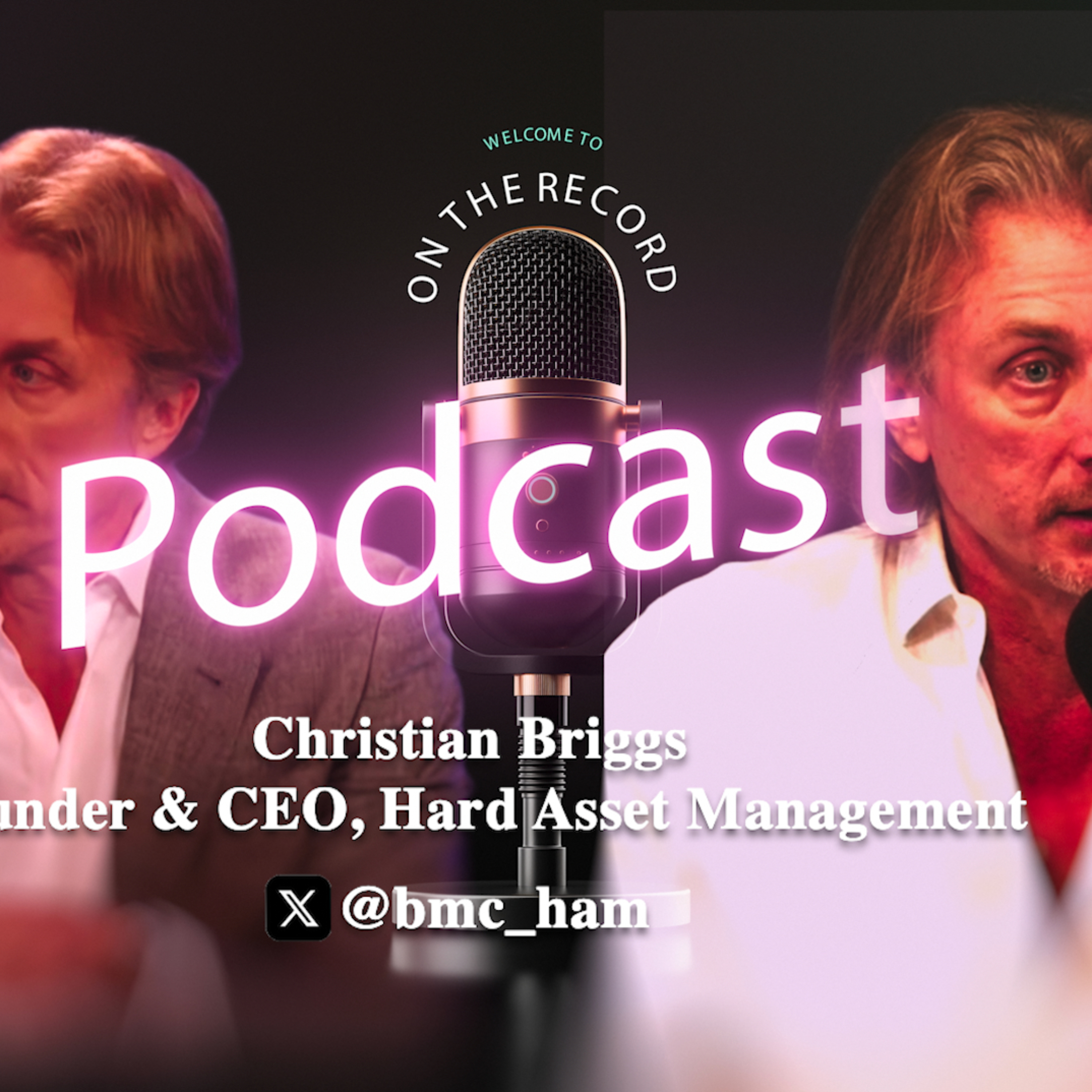
An episode of the Hard Asset Money Show podcast, hosted by Christian Briggs, titled "SCOTUS Blocks Trump’s Tariffs—So He’s Raising Them Anyway?! Christian Briggs Explains the ‘Plan B" was published on February 23, 2026 and runs 12 minutes.

February 23, 2026 ·12m · Hard Asset Money Show

0:00 / 0:00

President Trump just signaled a major escalation: raising global tariffs from 10% to 15%—right after the Supreme Court moved to strike down his use of tariffs under the International Emergency Economic Powers Act. Critics called it a defeat. Trump called the ruling “ridiculous.” And in this fast-moving, high-stakes interview, economist Christian Briggsbreaks down what’s really happening behind the headlines—and why the market may have just revealed the real story.Briggs explains that the Supreme Court’s decision isn’t necessarily an anti-tariff ruling—it’s a constitutional boundary marker. In other words: it’s not “no tariffs,” it’s “not that way.” He argues the Court is trying to preserve constitutional order by forcing tariff authority back toward Congress or tighter legal frameworks, while still leaving enough room for Trump to pivot immediately. That pivot, Briggs predicts, is coming fast—potentially within days—as Trump and his legal team roll out Plan B, designed to keep tariffs alive through a new method that fits within the Court’s limits.Then Briggs gets into the economic impact—and this is where the interview gets real. He confirms tariffs have already driven measurable manufacturing behavior: international producers are shifting or expanding operations in the U.S. to avoid the tariff wall, while domestic manufacturing becomes more competitive. Jobs are beginning to return, and the economic “gravity” of supply chains is moving back toward America.But Briggs doesn’t ignore the downside: consumers have already absorbed an estimated $150 billion in added costs from tariffs. The key question becomes: does short-term pain outweigh long-term gain? Briggs’ answer is blunt—tariffs can sting, especially for the bottom half of earners, but he argues the real payoff comes when wages rise through high-value manufacturing jobs, turning short-term cost pressure into long-term prosperity. His forecast: if reshoring accelerates, the U.S. could see 4–5% GDP growth in 2027 driven by industrial expansion.The most surprising moment? Investors appeared to like the ruling. Markets bumped upward after the decision because traders interpreted it as clarity—not collapse. In Briggs’ view, investors saw a scenario where tariffs continue, but with tighter legal guardrails, less uncertainty, and a clearer framework.Finally, Briggs addresses the political question: does this weaken Trump on the world stage? His answer: not even close.He argues Trump treats setbacks like business obstacles—simply one route that doesn’t work, before finding the route that does. And that mindset, he says, makes Trump look stronger—not weaker—heading into the next round of negotiations.If you want the clearest breakdown of what this ruling means, what Trump’s next move likely is, and why markets reacted the way they did—this is the episode to watch.

President Trump just signaled a major escalation: raising global tariffs from 10% to 15%—right after the Supreme Court moved to strike down his use of tariffs under the International Emergency Economic Powers Act. Critics called it a defeat. Trump called the ruling “ridiculous.” And in this fast-moving, high-stakes interview, economist Christian Briggsbreaks down what’s really happening behind the headlines—and why the market may have just revealed the real story.

Briggs explains that the Supreme Court’s decision isn’t necessarily an anti-tariff ruling—it’s a constitutional boundary marker. In other words: it’s not “no tariffs,” it’s “not that way.” He argues the Court is trying to preserve constitutional order by forcing tariff authority back toward Congress or tighter legal frameworks, while still leaving enough room for Trump to pivot immediately. That pivot, Briggs predicts, is coming fast—potentially within days—as Trump and his legal team roll out Plan B, designed to keep tariffs alive through a new method that fits within the Court’s limits.

Then Briggs gets into the economic impact—and this is where the interview gets real. He confirms tariffs have already driven measurable manufacturing behavior: international producers are shifting or expanding operations in the U.S. to avoid the tariff wall, while domestic manufacturing becomes more competitive. Jobs are beginning to return, and the economic “gravity” of supply chains is moving back toward America.

But Briggs doesn’t ignore the downside: consumers have already absorbed an estimated $150 billion in added costs from tariffs. The key question becomes: does short-term pain outweigh long-term gain? Briggs’ answer is blunt—tariffs can sting, especially for the bottom half of earners, but he argues the real payoff comes when wages rise through high-value manufacturing jobs, turning short-term cost pressure into long-term prosperity. His forecast: if reshoring accelerates, the U.S. could see 4–5% GDP growth in 2027 driven by industrial expansion.

The most surprising moment? Investors appeared to like the ruling. Markets bumped upward after the decision because traders interpreted it as clarity—not collapse. In Briggs’ view, investors saw a scenario where tariffs continue, but with tighter legal guardrails, less uncertainty, and a clearer framework.

Finally, Briggs addresses the political question: does this weaken Trump on the world stage? His answer: not even close.He argues Trump treats setbacks like business obstacles—simply one route that doesn’t work, before finding the route that does. And that mindset, he says, makes Trump look stronger—not weaker—heading into the next round of negotiations.

If you want the clearest breakdown of what this ruling means, what Trump’s next move likely is, and why markets reacted the way they did—this is the episode to watch.

The Atlas Investor Tiho Brkan The Atlas Investor with Tiho Brkan covers and analyzes global capital markets and investment risks and opportunities across a wide array of asset classes including stocks, bonds, real estate and alternatives such as Gold and hard assets. The podcast also focuses on global business and citizenship opportunities as discovered through Tiho's extensive travels and on the ground due diligence. Tiho Brkan is a portfolio wealth manager, international real estate investor and global citizen who has achieved considerable acclaim as a trader and investor. The goal of the podcast is not only to inform and educate but also help you make money. People Focus Podcast Talk Staff Join us as we celebrate the most important asset that we all have – our people – the people that help keep our businesses running each and every day, the people that motivate us when times are hard, help us make decisions that don’t always feel like they’re the right ones and challenge us when we need to stay on track to achieve the overall company mission – the purpose behind why we do what we do. Jake & Gino: Real Estate Investing & Multifamily Jake & Gino Real estate investing, multifamily, and apartment investing—where real estate meets real business ownership. Hosted by investor-entrepreneurs Jake Stenziano and Gino Barbaro, the show goes beyond buying apartments to teach you how to build a durable, well-run real estate business. Each episode blends deal analysis, market insights, leadership lessons, and hard-earned operating experience from owning and managing thousands of units. Whether you’re just starting out or scaling a portfolio, Jake & Gino deliver practical education, honest conversations, and proven frameworks to help you grow cash flow, build systems, and create long-term wealth—without losing sight of family, values, and purpose.Also included under The Jake & Gino umbrella:How To: From real estate underwriting and asset management to organizational structure and owner mindset, How To delivers clear frameworks and actionable guidance for investors who want to build and operate a real estate business with clarity, discipli The Frontier CapIntel The Frontier is an original podcast series by CapIntel, featuring the latest ideas, innovations, products and philosophies of investment professionals. Today, investors have no access to the actual financial professionals who make investment decisions for them, and have a hard time learning their philosophies, and viewpoints on the markets they cover. The goal of The Frontier is to bridge this gap. Hosts James Rockwood and Taku Murahwi sit down for 20-30 minute discussions with Portfolio Managers and Chief Investment Officers of Big Banks and top Asset Management firms. We give you an exclusive look on the funds they manage, their views on the markets, and their investment philosophies. Subscribe now.
URL copied to clipboard!