
EPISODE · Nov 1, 2019 · 16 MIN
Season 2, Episode 2: "WTF are tasting notes, anyway?" (California ep. 2)
from The Make America Grape Again Podcast · host The Wine Monk
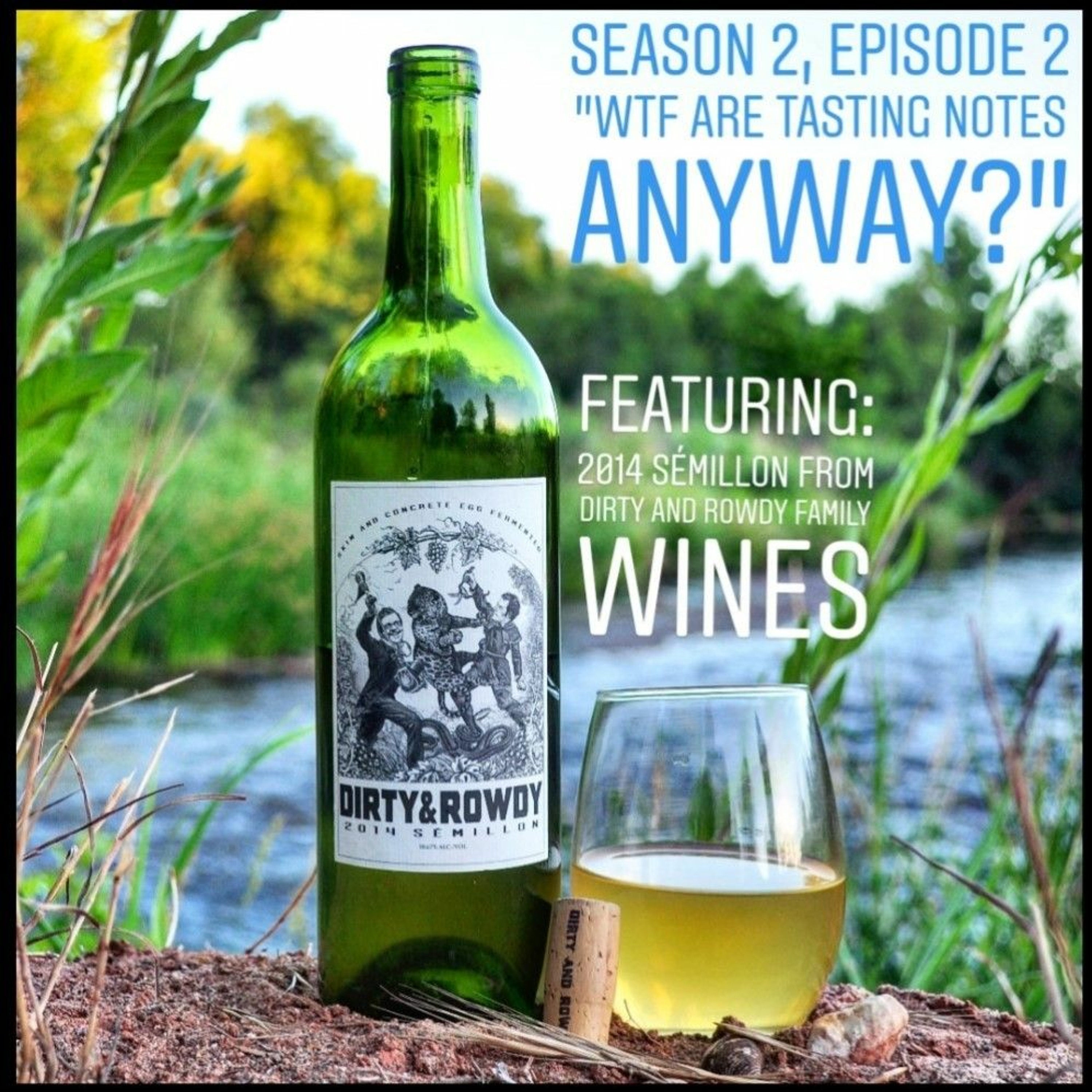
I get asked somewhat often, "What are tasting notes, really?" Or rather, to be honest, I get asked: "What am I supposed to be tasting, anyway?" Well, when you get down to it, you taste what you taste. Sure, I can help, but really, wine is such a subjective thing that I generally hate to push what I think I'm tasting or smelling onto the drinker I'm with. This can also make tasting notes (and notes on the aromatic profiles of wine) seem somewhat arbitrary to the beginner. And that's okay! Basically, tasting notes refer to a wine taster's (or, in some cases, a coffee taster's!) testimony about the aroma, taste identification, acidity, structure, texture, and the balance of a wine, designed to allow the reader to get an idea of what the experience of imbibing that particular vintage is like. They can get as creative as you like, or as simple as you like. Often-times, such notes may seem like gibberish, but this Sommelier-speak has a code that isn't as difficult to translate as beginners think. In short, what you taste, is what you taste. These notes are NOT related to what is in the wine or how it was made, usually; these flavors are not added. The winemakers for this wine didn't pour in pickle juice during fermentation, for example. In many cases, they aren't even the same molecule, but they hit the receptors in the olfactory lobes of the brain in the same way as those flavors in food, drink, or spices do. Wine Folly has a great article on how to approach writing your own tasting notes which can be found in the websites listed at the end of the show notes. For this podcast discussing tasting notes, Elizabeth Krecker and I decided to drink the 2014 Sémillon from Dirty and Rowdy Family Winery, based out of Napa Valley, though they source grapes from multiple vineyards across the state of California. This wine is a complex blend of two different styles of fermentation; one on the skins (a.k.a., Amber Wine) and another aged in concrete. Elizabeth and I loved the tasting notes that they used to describe their wines and thought it would be fun to explore what we tasted in this wine versus what the winemakers tasted. They've got a lot of fun wines, and I highly recommend them. Website recommendations: Dirty and Rowdy's website: https://www.dirtyandrowdy.com/ Sommelier Speak: https://tvtropes.org/pmwiki/pmwiki.php/Main/SommelierSpeak Decanter Magazine on How to read tasting notes: https://www.decanter.com/learn/how-to/how-to-read-tasting-notes-51254/ Wine Folly on how to write good tasting notes: https://winefolly.com/review/write-excellent-wine-tasting-notes/
What this episode covers
I get asked somewhat often, "What are tasting notes, really?" Or rather, to be honest, I get asked: "What am I supposed to be tasting, anyway?" Well, when you get down to it, you taste what you taste. Sure, I can help, but really, wine is such a subjective thing that I generally hate to push what I think I'm tasting or smelling onto the drinker I'm with. This can also make tasting notes (and notes on the aromatic profiles of wine) seem somewhat arbitrary to the beginner. And that's okay! Basically, tasting notes refer to a wine taster's (or, in some cases, a coffee taster's!) testimony about the aroma, taste identification, acidity, structure, texture, and the balance of a wine, designed to allow the reader to get an idea of what the experience of imbibing that particular vintage is like. They can get as creative as you like, or as simple as you like. Often-times, such notes may seem like gibberish, but this Sommelier-speak has a code that isn't as difficult to translate as beginners think. In short, what you taste, is what you taste. These notes are NOT related to what is in the wine or how it was made, usually; these flavors are not added. The winemakers for this wine didn't pour in pickle juice during fermentation, for example. In many cases, they aren't even the same molecule, but they hit the receptors in the olfactory lobes of the brain in the same way as those flavors in food, drink, or spices do. Wine Folly has a great article on how to approach writing your own tasting notes which can be found in the websites listed at the end of the show notes. For this podcast discussing tasting notes, Elizabeth Krecker and I decided to drink the 2014 Sémillon from Dirty and Rowdy Family Winery, based out of Napa Valley, though they source grapes from multiple vineyards across the state of California. This wine is a complex blend of two different styles of fermentation; one on the skins (a.k.a., Amber Wine) and another aged in concrete. Elizabeth and I loved the tasting notes that they used to describe their wines and thought it would be fun to explore what we tasted in this wine versus what the winemakers tasted. They've got a lot of fun wines, and I highly recommend them. Website recommendations: Dirty and Rowdy's website: https://www.dirtyandrowdy.com/ Sommelier Speak: https://tvtropes.org/pmwiki/pmwiki.php/Main/SommelierSpeak Decanter Magazine on How to read tasting notes: https://www.decanter.com/learn/how-to/how-to-read-tasting-notes-51254/ Wine Folly on how to write good tasting notes: https://winefolly.com/review/write-excellent-wine-tasting-notes/
NOW PLAYING
Season 2, Episode 2: "WTF are tasting notes, anyway?" (California ep. 2)
No transcript for this episode yet
Similar Episodes
Mar 26, 2026 ·1m
Mar 19, 2026 ·34m
Feb 18, 2026 ·11m
Feb 11, 2026 ·45m