
EPISODE · Jan 24, 2026 · 20 MIN
Secondary Characters or Background Noise?
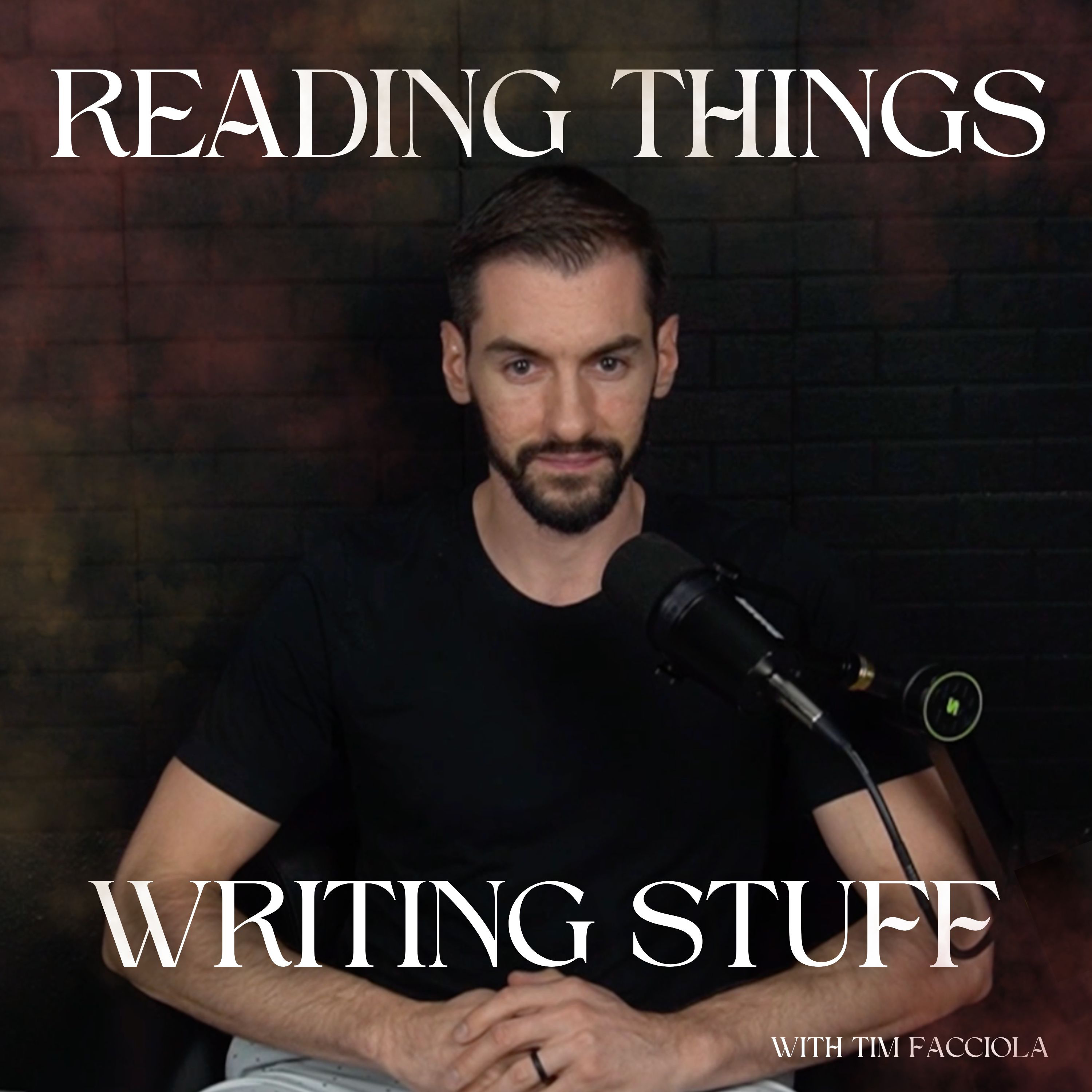
from Reading Things and Writing Stuff : Fantasy Writing, Worldbuilding & The Art of Storycraft · host Tim Facciola
In this episode…I’m diving into one of my favorite—and most misunderstood—elements of storytelling: the secondary cast. Not background noise. Not disposable side characters. But the characters who matter, shape the story, and create emotional weight long after the page is turned.We start by defining what a secondary cast actually is, moving beyond surface-level archetypes like “mentor” or “sidekick” and into deeper role functions that serve the story. From logical, emotional, and support allies on the protagonist’s side, to opposition, diversion, and buffer characters across the axis of antagonism, we explore how meaningful casts are built—and why not every story needs all of them.Using examples from Red Rising, Sun Eater, The Licanius Trilogy, The Will of the Many, Nevernight, Ashes of the Sun, Avatar: The Last Airbender, Star Wars, Harry Potter, and more, I break down what makes secondary casts memorable… and why some fall flat. We talk five-man bands, unreliable buffers, reluctant allies, and why killing a character only works if the reader actually cares.I also pull from my own work—including Eventual Realm—to show how role functions are relative, perspective-driven, and constantly shifting. Characters can be allies in one system, adversaries in another, and buffers in between—and that web of relationships is where stories gain depth, tension, and meaning.Whether you love sprawling epic casts or tightly focused narratives like Finding Nemo, this episode will help you understand when secondary characters elevate a story—and when they just take up air.If your cast feels flat, forgettable, or interchangeable… this episode is for you.What We Cover:What a secondary cast really is (and what it isn’t)Role functions vs. archetypesLogical, emotional, and support alliesThe five-man band and character differentiationOpposition and diversion charactersBuffer characters: benevolent, reluctant, unreliable, and unempoweredWhy secondary characters must do somethingWhen large casts help—and when they hurtGenre expectations and audience focusWhy character deaths only work if they matterPerspective, relativity, and shifting rolesHow secondary casts reinforce theme and catharsisBooks, Shows & Series Mentioned:Red Rising — Pierce BrownSun Eater: Empire of Silence — Christopher RuocchioThe Licanius Trilogy — James IslingtonThe Will of the Many — James IslingtonNevernight Chronicle — Jay KristoffAshes of the Sun — Django WexlerThe Lord of the Rings — J.R.R. TolkienStar Wars: A New HopeHarry Potter and the Sorcerer’s Stone — J.K. RowlingAvatar: The Last AirbenderFinding NemoEventual Realm — Tim FasaConnect with Tim:Instagram:@timfacciola_theauthorApply to work with me:https://docs.google.com/forms/d/e/1FAIpQLSejci7iaHU3--TT8TOo82boYj7OsUIap3FscyQ4Qc2f8Z0EkQ/viewformRead A Vengeful Realm:https://www.amazon.com/dp/B0CK143ZK2Everything else:https://linktr.ee/timfacciola
What this episode covers
In this episode…I’m diving into one of my favorite—and most misunderstood—elements of storytelling: the secondary cast. Not background noise. Not disposable side characters. But the characters who matter, shape the story, and create emotional weight long after the page is turned.We start by defining what a secondary cast actually is, moving beyond surface-level archetypes like “mentor” or “sidekick” and into deeper role functions that serve the story. From logical, emotional, and support allies on the protagonist’s side, to opposition, diversion, and buffer characters across the axis of antagonism, we explore how meaningful casts are built—and why not every story needs all of them.Using examples from Red Rising, Sun Eater, The Licanius Trilogy, The Will of the Many, Nevernight, Ashes of the Sun, Avatar: The Last Airbender, Star Wars, Harry Potter, and more, I break down what makes secondary casts memorable… and why some fall flat. We talk five-man bands, unreliable buffers, reluctant allies, and why killing a character only works if the reader actually cares.I also pull from my own work—including Eventual Realm—to show how role functions are relative, perspective-driven, and constantly shifting. Characters can be allies in one system, adversaries in another, and buffers in between—and that web of relationships is where stories gain depth, tension, and meaning.Whether you love sprawling epic casts or tightly focused narratives like Finding Nemo, this episode will help you understand when secondary characters elevate a story—and when they just take up air.If your cast feels flat, forgettable, or interchangeable… this episode is for you.What We Cover:What a secondary cast really is (and what it isn’t)Role functions vs. archetypesLogical, emotional, and support alliesThe five-man band and character differentiationOpposition and diversion charactersBuffer characters: benevolent, reluctant, unreliable, and unempoweredWhy secondary characters must do somethingWhen large casts help—and when they hurtGenre expectations and audience focusWhy character deaths only work if they matterPerspective, relativity, and shifting rolesHow secondary casts reinforce theme and catharsisBooks, Shows & Series Mentioned:Red Rising — Pierce BrownSun Eater: Empire of Silence — Christopher RuocchioThe Licanius Trilogy — James IslingtonThe Will of the Many — James IslingtonNevernight Chronicle — Jay KristoffAshes of the Sun — Django WexlerThe Lord of the Rings — J.R.R. TolkienStar Wars: A New HopeHarry Potter and the Sorcerer’s Stone — J.K. RowlingAvatar: The Last AirbenderFinding NemoEventual Realm — Tim FasaConnect with Tim:Instagram:@timfacciola_theauthorApply to work with me:https://docs.google.com/forms/d/e/1FAIpQLSejci7iaHU3--TT8TOo82boYj7OsUIap3FscyQ4Qc2f8Z0EkQ/viewformRead A Vengeful Realm:https://www.amazon.com/dp/B0CK143ZK2Everything else:https://linktr.ee/timfacciola
NOW PLAYING
Secondary Characters or Background Noise?
No transcript for this episode yet
Similar Episodes
Mar 26, 2026 ·1m
Mar 19, 2026 ·34m
Feb 18, 2026 ·11m
Feb 11, 2026 ·45m