
EPISODE · Jun 18, 2019 · 1H 19M
Session I: European Strategic Autonomy – What, where and how?
from Friends of Europe podcasts · host Friends of Europe
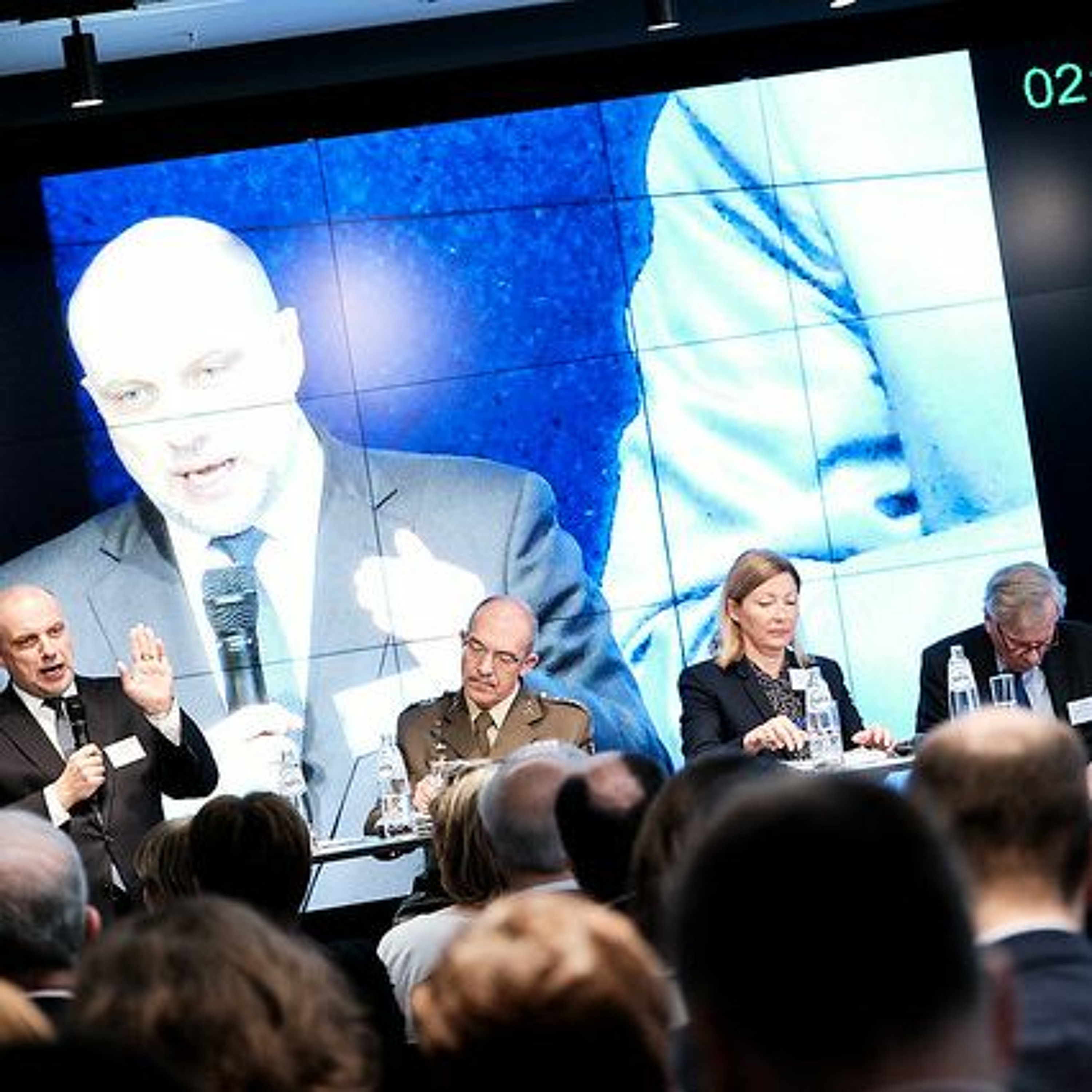
The 2019 EU elections pose a new test for those seeking greater European strategic autonomy. Considerable gains for populist parties could see a change in the EU’s approach to defence and its geopolitical aspirations as a whole. On the other hand, pro-European coalitions could lead to the development of more autonomous enterprises such as the European Intervention Initiative. Furthermore, the question remains whether European countries can keep up with promises to increase their defence spending to levels that meet NATO standards. While full-throated calls for an EU army seem to have quieted, there continues to be support for efforts that seek greater European strategic autonomy. The EU’s geopolitical ambitions are likely to face pressure from both inside and outside the EU, from both EU countries that fear losing American support and NATO allies warning of the dangers of duplicating common efforts. Questions on what does European autonomy mean and look like, as well as concerns over how can this be achieved are not likely to go away any time soon. • What is European strategic autonomy? What is the level of ambition needed to meet the EU’s own interests? • On capabilities: Who has them? Can they be pooled and shared? And, what are the key capabilities still missing? • What practical implications can the results of the recent elections have on European defence cooperation? Speakers: General Fernando Alejandre Martínez, Chief of the Defence, Spain Jaap de Hoop Scheffer, former Secretary General of NATO and Trustee of Friends of Europe Jüri Luik, Minister of Defence, Estonia Natalia Pouzyreff, Secretary of the Defence Committee, National Assembly, France Moderated by Jamie Shea, Senior Fellow at Friends of Europe
What this episode covers
The 2019 EU elections pose a new test for those seeking greater European strategic autonomy. Considerable gains for populist parties could see a change in the EU’s approach to defence and its geopolitical aspirations as a whole. On the other hand, pro-European coalitions could lead to the development of more autonomous enterprises such as the European Intervention Initiative. Furthermore, the question remains whether European countries can keep up with promises to increase their defence spending to levels that meet NATO standards. While full-throated calls for an EU army seem to have quieted, there continues to be support for efforts that seek greater European strategic autonomy. The EU’s geopolitical ambitions are likely to face pressure from both inside and outside the EU, from both EU countries that fear losing American support and NATO allies warning of the dangers of duplicating common efforts. Questions on what does European autonomy mean and look like, as well as concerns over how can this be achieved are not likely to go away any time soon. • What is European strategic autonomy? What is the level of ambition needed to meet the EU’s own interests? • On capabilities: Who has them? Can they be pooled and shared? And, what are the key capabilities still missing? • What practical implications can the results of the recent elections have on European defence cooperation? Speakers: General Fernando Alejandre Martínez, Chief of the Defence, Spain Jaap de Hoop Scheffer, former Secretary General of NATO and Trustee of Friends of Europe Jüri Luik, Minister of Defence, Estonia Natalia Pouzyreff, Secretary of the Defence Committee, National Assembly, France Moderated by Jamie Shea, Senior Fellow at Friends of Europe
NOW PLAYING
Session I: European Strategic Autonomy – What, where and how?
No transcript for this episode yet
Similar Episodes
Mar 26, 2026 ·1m
Mar 19, 2026 ·34m
Feb 18, 2026 ·11m
Feb 11, 2026 ·45m