
EPISODE · Jun 18, 2019 · 1H 36M
Session II: EU Security And Defence In A Wider World
from Friends of Europe podcasts · host Friends of Europe
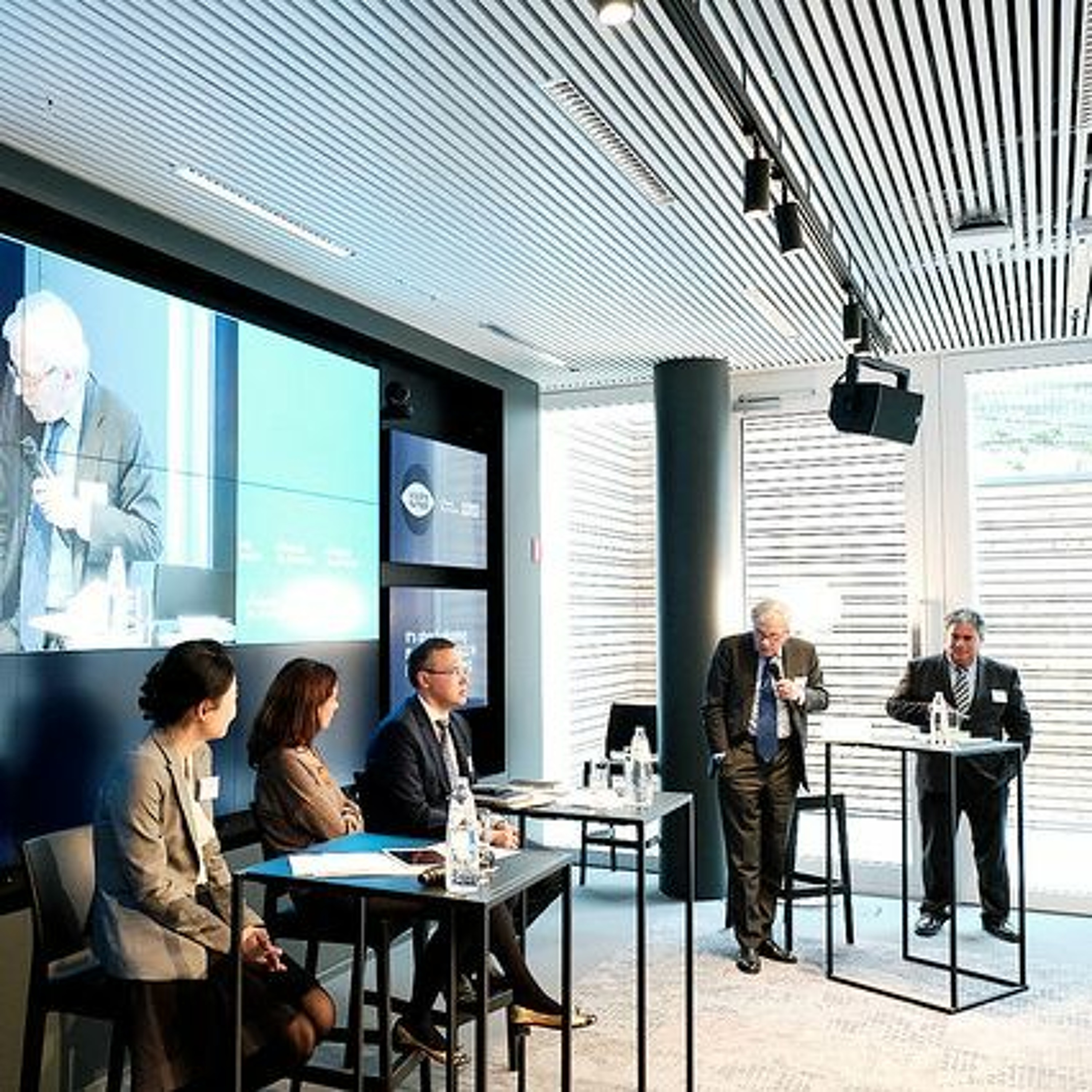
Greater EU strategic autonomy in defence and security is bound to be met with mixed reactions. While leaders in France, Germany and Spain have endorsed an EU army, transatlantic allies have rejected the idea. What are the perspectives from outside of the EU on the talks of a greater European strategic autonomy? Old alliances are being tested through the recent rise of protectionist stances and new “strongmen” around the globe. This has prompted EU leaders to look for further defence cooperation within the Union, but how is this seen by outsiders? NATO would certainly benefit from European allies shouldering more of the responsibility for defence, yet Russia has welcomed an EU army that could possibly diminish NATO’s collective effectiveness. Unlike the US and Russia, other global powers, such as China, seem to see the EU solely as an economic player rather than a significant international security actor. A shift in old alliances could redefine the EU’s relationship with other global and regional powers. A greater European strategic autonomy may also demand that the EU takes on a greater role in today’s global hotspots. The EU’s ability to generate influence in an ever-more complex geopolitical order is likely to be tested in the next decade. • How are old, critical alliances changing? Would an increased European strategic autonomy affect current alliances? • In this turbulent era for the transatlantic relationship, can shouldering more responsibility for defence in Europe help bridge the current divide? • To what extent would a more ambitious EU global strategy clash or align with Russian and Chinese geopolitical interests? Perspecitves from: Europe: Nathalie Tocci, Director of the Istituto Affari Internazionali (IAI) China: Yan Yan, Director of the Research Center of Oceans Law and Policy, National Institute for the South China Sea Studies (NISCSS) Russia: Andrey Kelin, Director of the Department for the European Cooperation of the Russian Ministry for Foreign Affairs United States: Ambassador Christopher Hill, Chief Advisor to the Chancellor for Global Engagement and former US Ambassador to Iraq (2009-2010) Moderated by Paul Taylor, Senior Fellow, Friends of Europe
What this episode covers
Greater EU strategic autonomy in defence and security is bound to be met with mixed reactions. While leaders in France, Germany and Spain have endorsed an EU army, transatlantic allies have rejected the idea. What are the perspectives from outside of the EU on the talks of a greater European strategic autonomy? Old alliances are being tested through the recent rise of protectionist stances and new “strongmen” around the globe. This has prompted EU leaders to look for further defence cooperation within the Union, but how is this seen by outsiders? NATO would certainly benefit from European allies shouldering more of the responsibility for defence, yet Russia has welcomed an EU army that could possibly diminish NATO’s collective effectiveness. Unlike the US and Russia, other global powers, such as China, seem to see the EU solely as an economic player rather than a significant international security actor. A shift in old alliances could redefine the EU’s relationship with other global and regional powers. A greater European strategic autonomy may also demand that the EU takes on a greater role in today’s global hotspots. The EU’s ability to generate influence in an ever-more complex geopolitical order is likely to be tested in the next decade. • How are old, critical alliances changing? Would an increased European strategic autonomy affect current alliances? • In this turbulent era for the transatlantic relationship, can shouldering more responsibility for defence in Europe help bridge the current divide? • To what extent would a more ambitious EU global strategy clash or align with Russian and Chinese geopolitical interests? Perspecitves from: Europe: Nathalie Tocci, Director of the Istituto Affari Internazionali (IAI) China: Yan Yan, Director of the Research Center of Oceans Law and Policy, National Institute for the South China Sea Studies (NISCSS) Russia: Andrey Kelin, Director of the Department for the European Cooperation of the Russian Ministry for Foreign Affairs United States: Ambassador Christopher Hill, Chief Advisor to the Chancellor for Global Engagement and former US Ambassador to Iraq (2009-2010) Moderated by Paul Taylor, Senior Fellow, Friends of Europe
NOW PLAYING
Session II: EU Security And Defence In A Wider World
No transcript for this episode yet
Similar Episodes
Mar 26, 2026 ·1m
Mar 19, 2026 ·34m
Feb 18, 2026 ·11m
Feb 11, 2026 ·45m