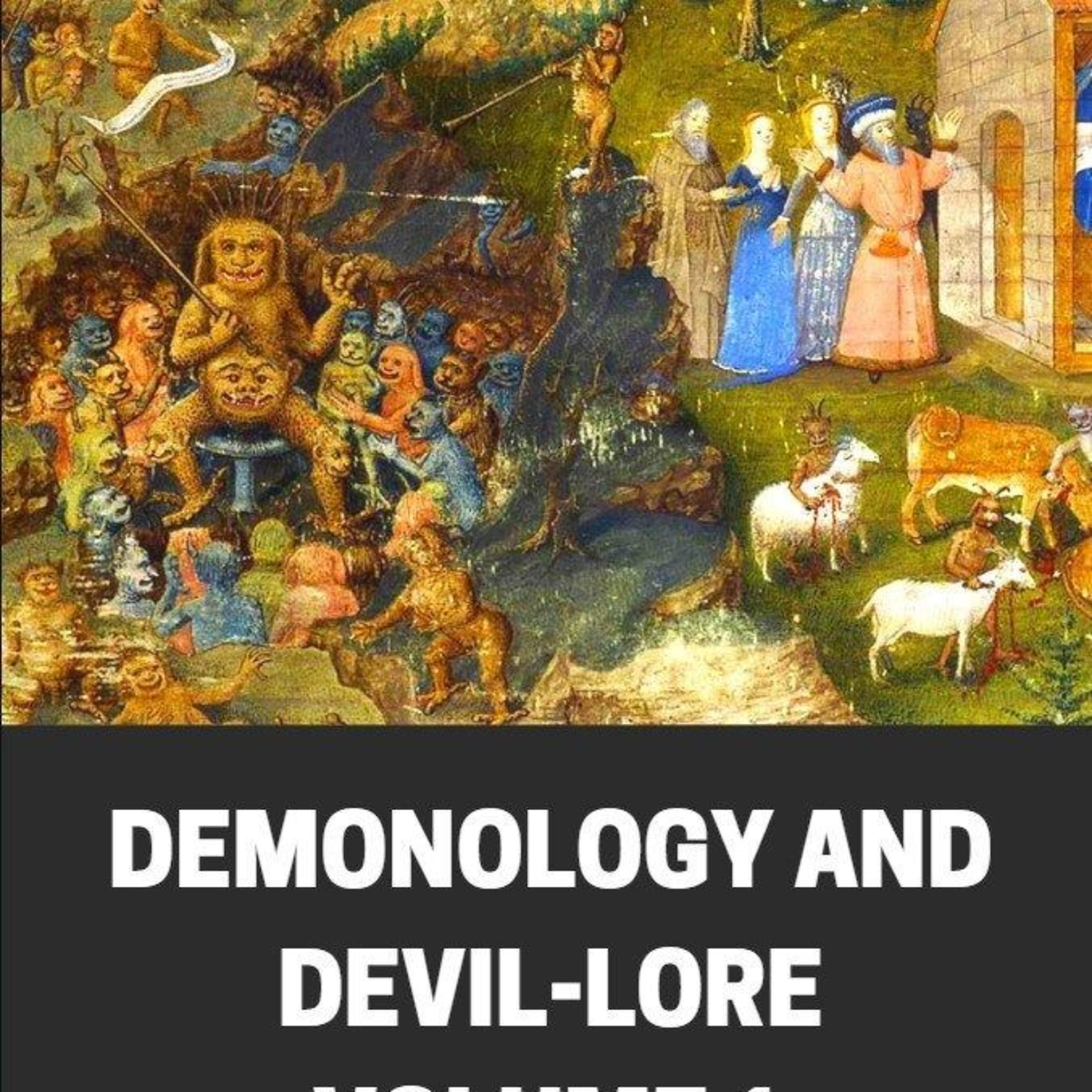
Shadows of the Sacred: The Origins of Demons, Devils, and Dark Belief episode artwork

EPISODE · Mar 26, 2025 · 29 MIN

Shadows of the Sacred: The Origins of Demons, Devils, and Dark Belief

from Occult Archives · host Falcon Millenium

In this episode, we delve into the shadowy corners of religious history through the lens of Demonology and Devil-Lore, Volume 1 by Moncure Daniel Conway—a monumental work that unearths the hidden genealogy of the Devil, demons, and all the fearful symbols that have haunted the human imagination. More than a study of superstition, Conway’s work is a sweeping philosophical and anthropological exploration of how humanity’s earliest gods were dethroned and demonized, how fear and reverence shaped mythology, and how moral dualism transformed ancient deities into icons of evil.Conway begins by peeling back the layers of dualism—the primal split between good and evil that reshaped pantheistic religions into battlegrounds of light versus darkness. We discover how many of the beings we now consider devils and demons were once worshipped as gods of fertility, wisdom, fire, and protection. Through cultural evolution, theological conquest, and political power, these deities were degraded—stripped of glory and refashioned into adversaries. In fascinating detail, Conway traces the path from the luminous deva to the diabolical devil, and from the revered Baal to the reviled Beelzebub. The serpent, once a sacred symbol of healing and eternity, becomes the slithering tempter of Eden. Fire, once divine and purifying, becomes hellish and punitive.We travel through rich mythologies—from Vedic hymns to the Persian Avesta, from Norse sagas to the folklore of medieval Europe. Conway illuminates how symbols such as darkness, disease, hunger, and barrenness were personified into spectral forms, reflecting human fears and struggles. In each tale of demon lore, we find not fantasy but encoded history—traces of environmental threats, social anxieties, and theological takeovers. The so-called devil worshippers, such as the misunderstood Yezidis, emerge not as sinister cultists, but as remnants of ancient spiritual traditions that refused to surrender entirely to the victors of religious warfare.This episode also considers the artistry and psychology of evil—how the visual culture of Christianity deliberately distorted the image of rival deities into grotesque and frightening forms. What was once awe-inspiring became the stuff of nightmares. Statues that once stood in temples were reduced to gargoyles, and ancestral spirits once honored became scapegoats for all that was feared. Conway’s insights remind us that the Devil was not born, but made—and made in our image, according to our historical needs to define, condemn, and control.Ultimately, Demonology and Devil-Lore is a work not only of scholarship but of liberation. It invites us to examine our inherited fears and question the moral frameworks that birthed them. It encourages us to see beyond the binary of good and evil, and to understand demons as reflections of ourselves—our desires, repressions, and unresolved histories. As we revisit the ancient myths and lost meanings in this episode, we open a portal to deeper truths—about power, belief, memory, and the long cultural war over the human soul.

In this episode, we delve into the shadowy corners of religious history through the lens of Demonology and Devil-Lore, Volume 1 by Moncure Daniel Conway—a monumental work that unearths the hidden genealogy of the Devil, demons, and all the fearful symbols that have haunted the human imagination. More than a study of superstition, Conway’s work is a sweeping philosophical and anthropological exploration of how humanity’s earliest gods were dethroned and demonized, how fear and reverence shaped mythology, and how moral dualism transformed ancient deities into icons of evil.Conway begins by peeling back the layers of dualism—the primal split between good and evil that reshaped pantheistic religions into battlegrounds of light versus darkness. We discover how many of the beings we now consider devils and demons were once worshipped as gods of fertility, wisdom, fire, and protection. Through cultural evolution, theological conquest, and political power, these deities were degraded—stripped of glory and refashioned into adversaries. In fascinating detail, Conway traces the path from the luminous deva to the diabolical devil, and from the revered Baal to the reviled Beelzebub. The serpent, once a sacred symbol of healing and eternity, becomes the slithering tempter of Eden. Fire, once divine and purifying, becomes hellish and punitive.We travel through rich mythologies—from Vedic hymns to the Persian Avesta, from Norse sagas to the folklore of medieval Europe. Conway illuminates how symbols such as darkness, disease, hunger, and barrenness were personified into spectral forms, reflecting human fears and struggles. In each tale of demon lore, we find not fantasy but encoded history—traces of environmental threats, social anxieties, and theological takeovers. The so-called devil worshippers, such as the misunderstood Yezidis, emerge not as sinister cultists, but as remnants of ancient spiritual traditions that refused to surrender entirely to the victors of religious warfare.This episode also considers the artistry and psychology of evil—how the visual culture of Christianity deliberately distorted the image of rival deities into grotesque and frightening forms. What was once awe-inspiring became the stuff of nightmares. Statues that once stood in temples were reduced to gargoyles, and ancestral spirits once honored became scapegoats for all that was feared. Conway’s insights remind us that the Devil was not born, but made—and made in our image, according to our historical needs to define, condemn, and control.Ultimately, Demonology and Devil-Lore is a work not only of scholarship but of liberation. It invites us to examine our inherited fears and question the moral frameworks that birthed them. It encourages us to see beyond the binary of good and evil, and to understand demons as reflections of ourselves—our desires, repressions, and unresolved histories. As we revisit the ancient myths and lost meanings in this episode, we open a portal to deeper truths—about power, belief, memory, and the long cultural war over the human soul.

NOW PLAYING

Shadows of the Sacred: The Origins of Demons, Devils, and Dark Belief

0:00 29:26

No transcript for this episode yet

We transcribe on demand. Request one and we'll notify you when it's ready — usually under 10 minutes.

No similar episodes found.

No similar podcasts found.

Frequently Asked Questions

How long is this episode of Occult Archives?

This episode is 29 minutes long.

When was this Occult Archives episode published?

This episode was published on March 26, 2025.

What is this episode about?

In this episode, we delve into the shadowy corners of religious history through the lens of Demonology and Devil-Lore, Volume 1 by Moncure Daniel Conway—a monumental work that unearths the hidden genealogy of the Devil, demons, and all the fearful...

Can I download this Occult Archives episode?

Yes, you can download this episode by clicking the download button on the episode player, or subscribe to the podcast in your preferred podcast app for automatic downloads.
URL copied to clipboard!