
EPISODE · Mar 20, 2025 · 22 MIN
Shams al-Ma'arif: The Most Dangerous Book in the Islamic World
from Occult Archives · host Falcon Millenium
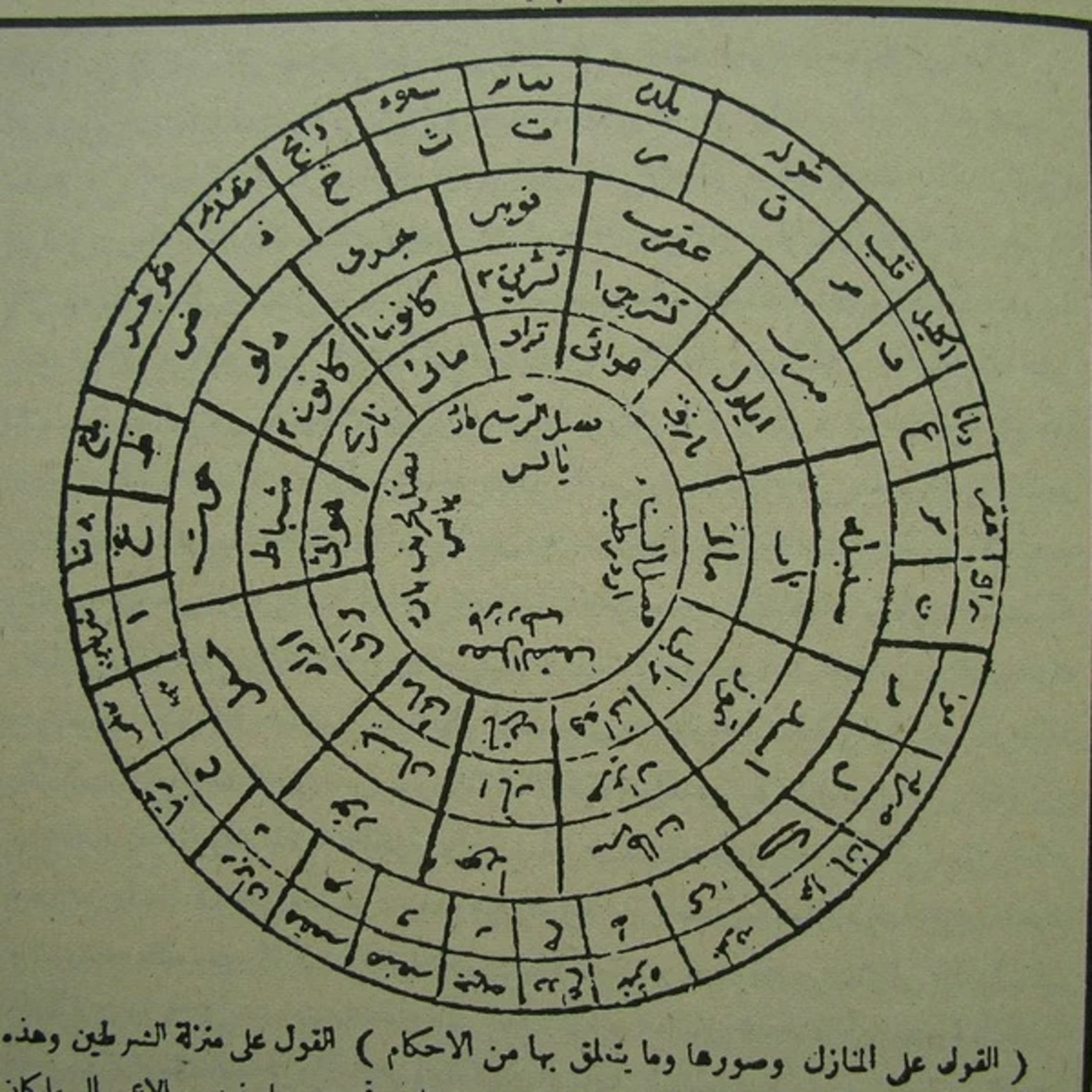
Few books in history carry as much fear, mystery, and controversy as Shams al-Ma'arif, a book of Islamic occult sciences attributed to Ahmad al-Buni. Known as "The Sun of Knowledge," this book is revered by some as a guide to mystical wisdom while others believe it is a cursed text capable of summoning jinn and bringing misfortune upon its readers.Magic Squares and Numerical Symbolism: Several pages feature magic squares of varying dimensions (e.g., a 3x3 on page 9, a 4x4 on page 12, and others later). These are central to the construction of talismans and harnessing specific energies. The numerical values associated with Arabic letters (abjad system) are implicitly important.Cosmological Framework: The text likely operates within a traditional Islamic cosmology, although explicit details are not fully visible in these excerpts. The reference to planets (page 11) suggests an astrological influence on the occult practices described.Practical Applications (Implicit): While not explicitly detailed in these excerpts, the presence of magic squares and discussions of letter combinations suggest practical applications in creating amulets, talismans, and performing theurgic operations. Page 15 shows a diagram possibly related to specific timings or astrological configurations for certain actions.Sufi Context (Possible): Given al-Buni's known Sufi affiliation (highlighted in the other sources), the work likely integrates these occult practices within a Sufi spiritual framework, emphasizing the seeking of divine aid and Importance of Studying Islamic Occult Sciences: The lecturer emphasizes the need for systematic scholarly study of magic and the occult in Islamic civilization, noting a relative lack of attention compared to Western traditions.Defining "Occult" in Islamic Context: The occult is described as "detailed knowledge of... esoteric Technologies especially the making of talismans and Associated things that remained relatively hidden from non-initiates" but were nevertheless widely acknowledged.Theurgy vs. Magic: The lecturer proposes using the term "theurgy" (divine work, God working) instead of "magic" to describe al-Buni's practices, highlighting the invocation of divine names and support rather than reliance on demonic forces. He also suggests reviving the term "gotia" (from Greek, associated with wailing and later witchcraft invoking evil spirits) for practices more akin to traditional magic.Al-Buni's Biography and Sufi Identity: Al-Buni was likely born in Algeria, flourished in Egypt, and supposedly died in 1225 CE (though this is questioned). He was primarily known as a Sufi teacher, not a magician. He had connections to prominent Sufi figures like Abdul Azizawi and shared similarities in teachings with Ibn Arabi. His tomb later became a place of pilgrimage, reinforcing his Sufi saintly status.The Shams al-Ma'arif's Content and Controversy: The Shams is described as a manual of theurgic practice on divine names. The lecturer notes the existence of different versions (long and short) and cautions against a common misconception of three recensions. The text explores the invocation of divine names to acquire power through divine support, distinct from demonic aid.Modern Reception and Influence: The Shams al-Ma'arif remains a text of choice for modern occultists in the Muslim world, with translations existing in various languages. It holds a more prominent place in Islamic occultism than the Picatrix.Mathematical and Astrological Basis of Talismans: Creating talismans requires a grasp of mathematics and astronomy/astrology, as they need to be executed at the proper hour. This knowledge was generally accessible to educated individuals in al-Buni's Medium:- https://medium.com/@FalconMilleniumX:- https://x.com/FalconMilenium5YouTube:- https://www.youtube.com/@MyTutorAI/videos
Embed this episode
NOW PLAYING
Shams al-Ma'arif: The Most Dangerous Book in the Islamic World
No transcript for this episode yet
Similar Episodes
No similar episodes found.