
EPISODE · May 7, 2023 · 1H
Sheila Jasanoff: Expertise, Democracy, and the Politics of Trust - Lecture 10
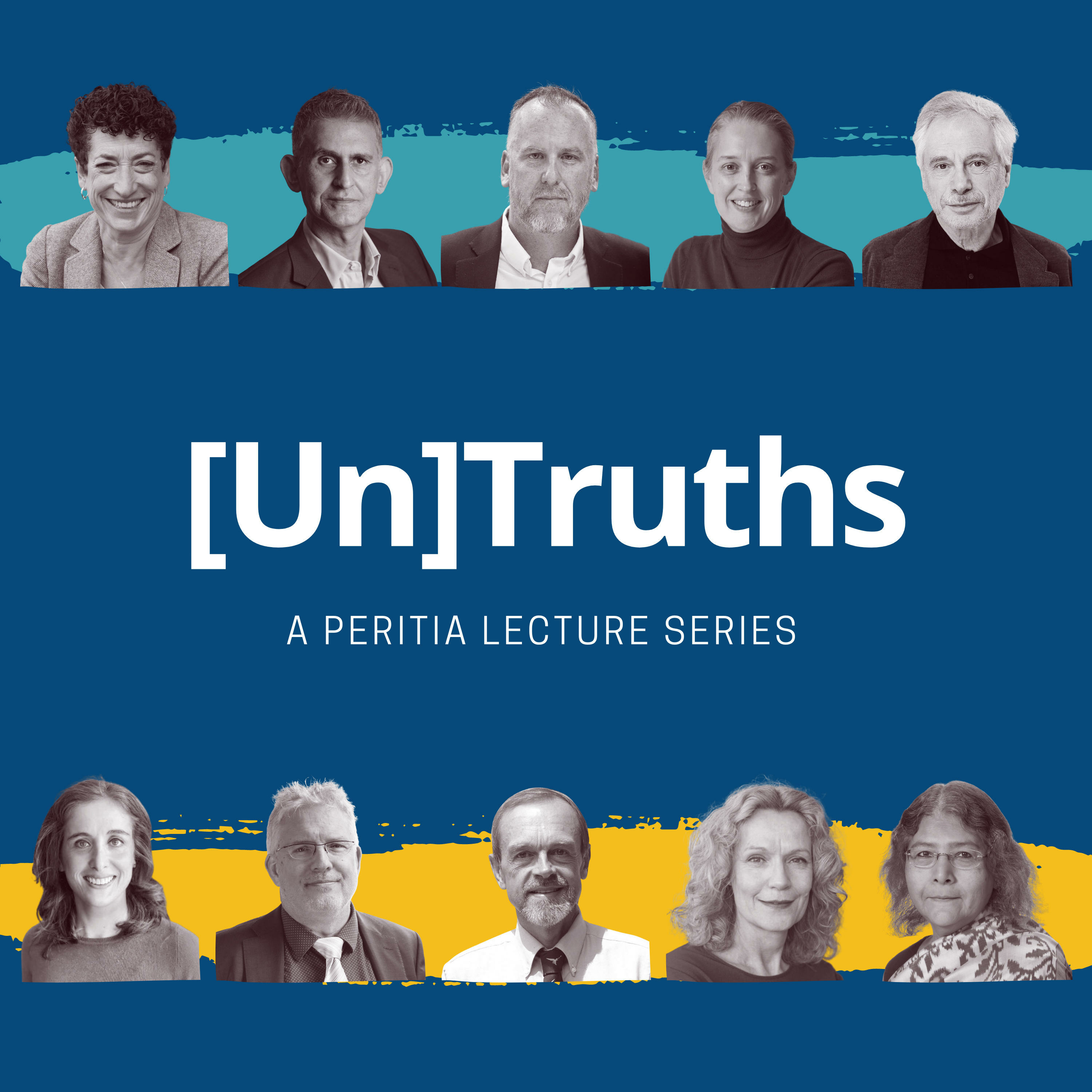
from [Un]Truths: Trust in an Age of Disinformation - A PERITIA Lecture Series · host Shane Bergin | Shaun and Maurice
Expert advice is needed to make decisions across the spectrum of public policy, from health, safety and environment to the management of the economy and national security. Yet phenomena such as climate skepticism and vaccine hesitancy indicate that all is not well in the relations between publics and experts in contemporary democracies. An abundance of scientific knowledge seems in many instances to have generated persistent controversies over technical claims and widespread disregard for expertise, even when there is strong consensus on what science says. This state of affairs suggests that the determinants of public trust lie not in the strength of the evidence as commonly understood, but in the efficacy of the institutions that societies rely on to translate expert knowledge into policy actions. This lecture draws on comparative analyses of expert decision-making across democratic societies to argue that trust is a function of commitments to modes of evidence-making and public reason that are foundational to political cultures. Trust in expertise is a political achievement and cannot be short-circuited by epistemic fiat. It follows that the remedy for breakdowns in trust lies in the repair of the institutions charged with persuading publics that a claimed state of knowledge does indeed support proposed forms of public action. This podcast has received funding from the European Union’s Horizon 2020 research and innovation programme under grant agreement No 870883. The information and opinions are those of the authors and do not necessarily reflect the opinion of the European Commission.
What this episode covers
Expert advice is needed to make decisions across the spectrum of public policy, from health, safety and environment to the management of the economy and national security. Yet phenomena such as climate skepticism and vaccine hesitancy indicate that all is not well in the relations between publics and experts in contemporary democracies. An abundance of scientific knowledge seems in many instances to have generated persistent controversies over technical claims and widespread disregard for expertise, even when there is strong consensus on what science says. This state of affairs suggests that the determinants of public trust lie not in the strength of the evidence as commonly understood, but in the efficacy of the institutions that societies rely on to translate expert knowledge into policy actions. This lecture draws on comparative analyses of expert decision-making across democratic societies to argue that trust is a function of commitments to modes of evidence-making and public reason that are foundational to political cultures. Trust in expertise is a political achievement and cannot be short-circuited by epistemic fiat. It follows that the remedy for breakdowns in trust lies in the repair of the institutions charged with persuading publics that a claimed state of knowledge does indeed support proposed forms of public action. This podcast has received funding from the European Union’s Horizon 2020 research and innovation programme under grant agreement No 870883. The information and opinions are those of the authors and do not necessarily reflect the opinion of the European Commission.
NOW PLAYING
Sheila Jasanoff: Expertise, Democracy, and the Politics of Trust - Lecture 10
No transcript for this episode yet
Similar Episodes
No similar episodes found.
Similar Podcasts
No similar podcasts found.