Sight Unseen
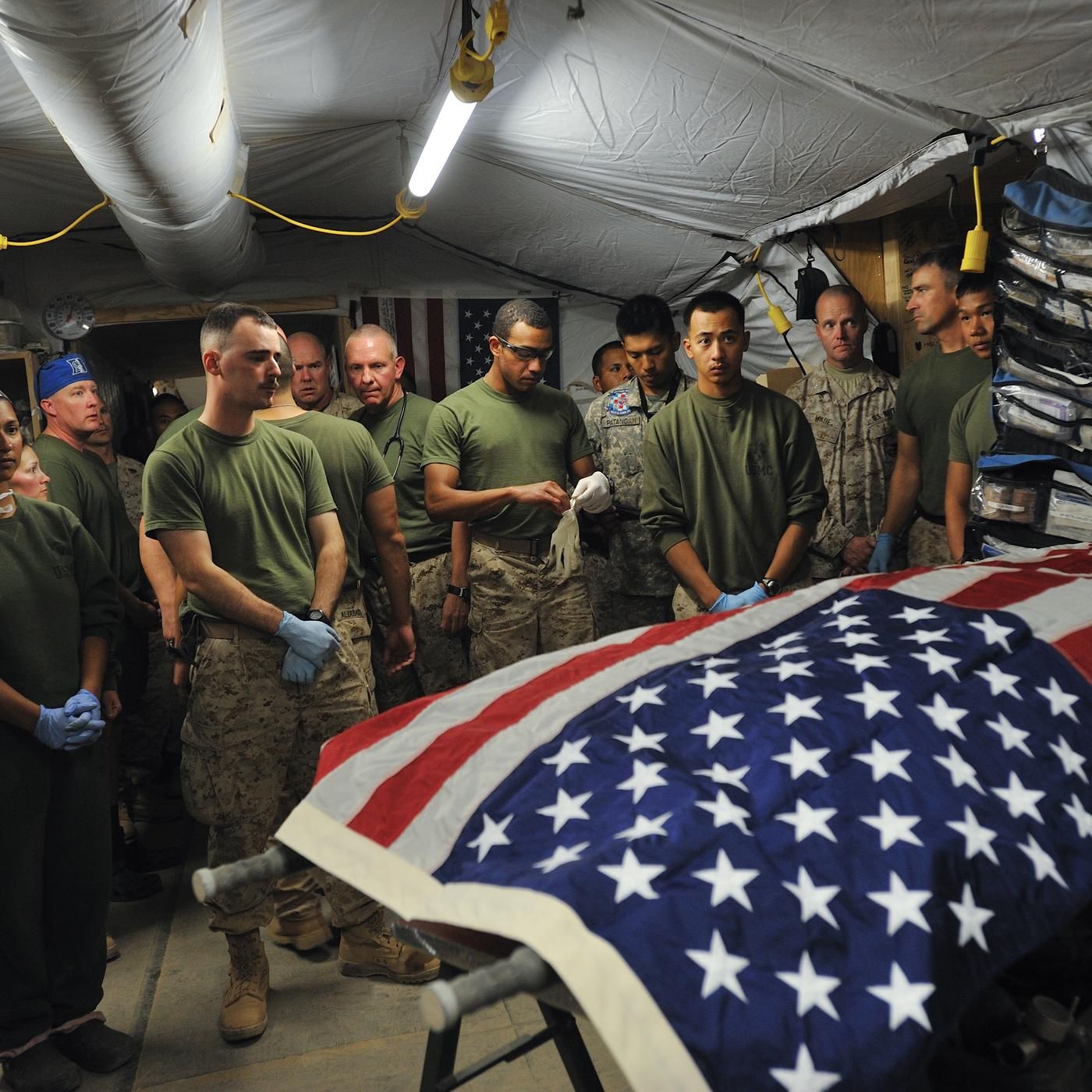
As the attacks were unfolding on the Capitol, a steady stream of images poured onto our screens. Photo editor Kainaz Amaria tells us what she was looking for--and seeing--that afternoon. And she runs into a dilemma we've talked about before. In December of 2009, photojournalist Lynsey Addario, in was embedded with a medevac team in Afghanistan. After days of waiting, one night they got the call - a marine was gravely wounded. What happened next happens all the time. But this time it was captured, picture by picture, in excruciating detail. Horrible, difficult, and at times strikingly beautiful, those photos raise some questions: Who should see them, who gets to decide who should see them, and what can pictures like that do, to those of us far away from the horrors of war and those of us who are all too close to it? Episode Notes: To hear Kainaz Amaria talk more about the filter, check out: this post on ethical questions to consider around the sharing of images of police brutality and her interview on On The Media about the double-standard in many U.S. newsrooms when it comes to posting graphic images. Special thanks to Chris Hughes and Helium Records for the use of Shift Part IV from the album Shift Support Radiolab by becoming a member today at Radiolab.org/donate.
Episode 389 of the Radiolab podcast, hosted by WNYC Studios, titled "Sight Unseen" was published on January 13, 2021 and runs 36 minutes.
January 13, 2021 ·36m · Radiolab
Summary
As the attacks were unfolding on the Capitol, a steady stream of images poured onto our screens. Photo editor Kainaz Amaria tells us what she was looking for--and seeing--that afternoon. And she runs into a dilemma we've talked about before. In December of 2009, photojournalist Lynsey Addario, in was embedded with a medevac team in Afghanistan. After days of waiting, one night they got the call - a marine was gravely wounded. What happened next happens all the time. But this time it was captured, picture by picture, in excruciating detail. Horrible, difficult, and at times strikingly beautiful, those photos raise some questions: Who should see them, who gets to decide who should see them, and what can pictures like that do, to those of us far away from the horrors of war and those of us who are all too close to it? Episode Notes: To hear Kainaz Amaria talk more about the filter, check out: this post on ethical questions to consider around the sharing of images of police brutality and her interview on On The Media about the double-standard in many U.S. newsrooms when it comes to posting graphic images. Special thanks to Chris Hughes and Helium Records for the use of Shift Part IV from the album Shift Support Radiolab by becoming a member today at Radiolab.org/donate.
Episode Description
As the attacks were unfolding on the Capitol, a steady stream of images poured onto our screens. Photo editor Kainaz Amaria tells us what she was looking for--and seeing--that afternoon. And she runs into a dilemma we've talked about before. In December of 2009, photojournalist Lynsey Addario, in was embedded with a medevac team in Afghanistan. After days of waiting, one night they got the call - a marine was gravely wounded. What happened next happens all the time. But this time it was captured, picture by picture, in excruciating detail. Horrible, difficult, and at times strikingly beautiful, those photos raise some questions: Who should see them, who gets to decide who should see them, and what can pictures like that do, to those of us far away from the horrors of war and those of us who are all too close to it?
Episode Notes:
To hear Kainaz Amaria talk more about the filter, check out:
this post on ethical questions to consider around the sharing of images of police brutality and her interview on On The Media about the double-standard in many U.S. newsrooms when it comes to posting graphic images.
Special thanks to Chris Hughes and Helium Records for the use of Shift Part IV from the album Shift
Support Radiolab by becoming a member today at Radiolab.org/donate.
Similar Episodes
Jul 9, 2021 ·27m
Jul 2, 2021 ·42m
Jun 29, 2021 ·12m
Jun 26, 2021 ·41m
Jun 19, 2021 ·43m
Jun 18, 2021 ·66m