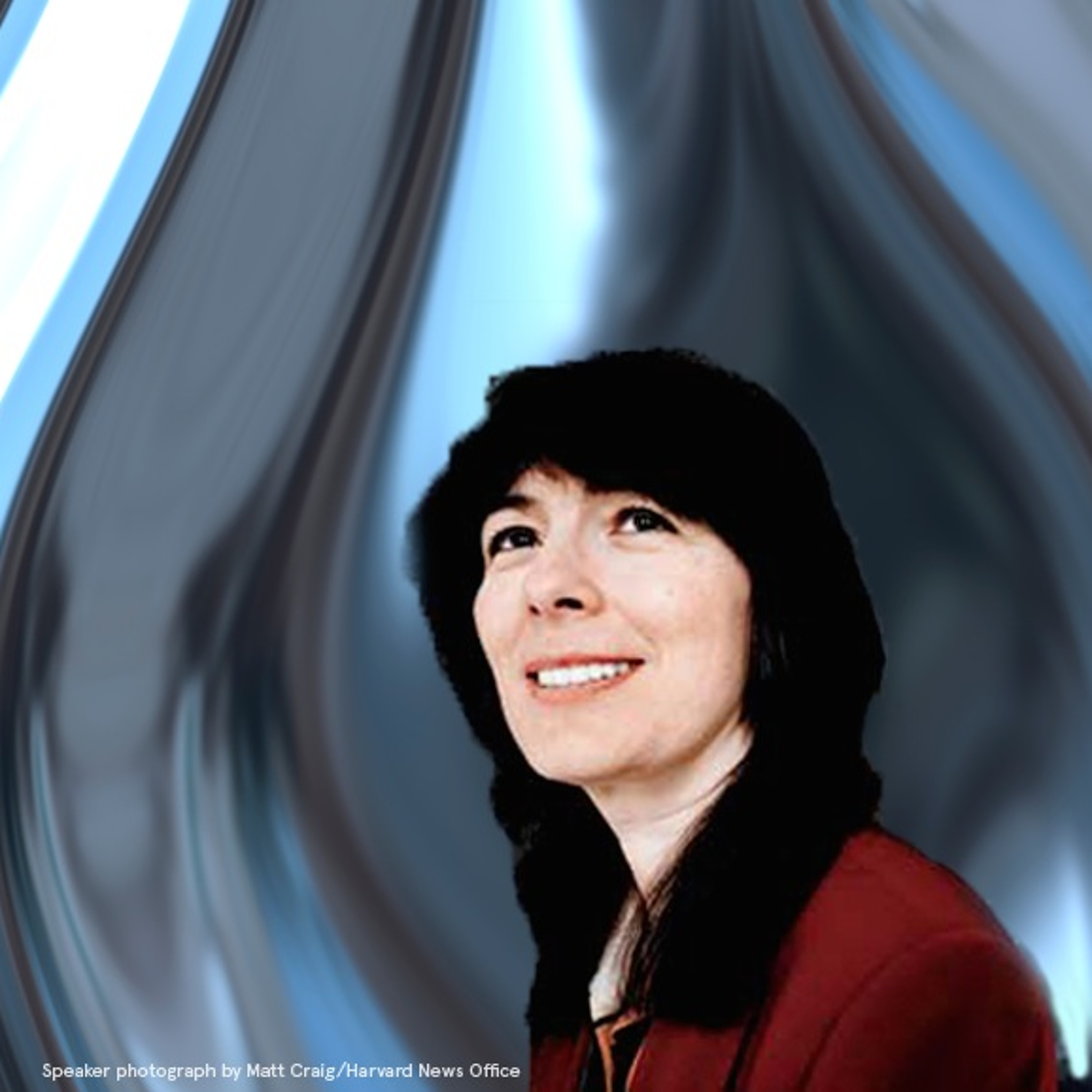
Slippery Surfaces: How nanoscience is changing our material world episode artwork

EPISODE · Apr 19, 2016 · 1H 3M

Slippery Surfaces: How nanoscience is changing our material world

from Sydney Ideas · host Sydney Ideas

Discover how Harvard University Professor Joanna Aizenberg’s research is inspired by biology to design slippery surfaces that mimic those found in nature. Her novel nanostructured materials will have huge impacts in areas as diverse as medicine, construction, shipping industries, aircraft industries, fluid handling and transportation, and optical sensing. Inspired by the slippery surfaces of a pitcher plant, Professor Aizenberg and team have invented new technology to create self-healing, anti-fouling materials, called Slippery, Lubricant-Infused Porous Surfaces, or SLIPS. These novel nanostructured materials outperform state-of-the-art materials in their ability to resist ice and microbes sticking to surfaces, repel various simple and complex liquids, prevent marine fouling, or reduce drag. This lecture took place at the University of Sydney in celebration of the launch of the Australian Institute for Nanoscale Science and Technology at the University of Sydney, which is discovering and harnessing new science at the nanoscale.

Discover how Harvard University Professor Joanna Aizenberg’s research is inspired by biology to design slippery surfaces that mimic those found in nature. Her novel nanostructured materials will have huge impacts in areas as diverse as medicine, construction, shipping industries, aircraft industries, fluid handling and transportation, and optical sensing. Inspired by the slippery surfaces of a pitcher plant, Professor Aizenberg and team have invented new technology to create self-healing, anti-fouling materials, called Slippery, Lubricant-Infused Porous Surfaces, or SLIPS. These novel nanostructured materials outperform state-of-the-art materials in their ability to resist ice and microbes sticking to surfaces, repel various simple and complex liquids, prevent marine fouling, or reduce drag. This lecture took place at the University of Sydney in celebration of the launch of the Australian Institute for Nanoscale Science and Technology at the University of Sydney, which is discovering and harnessing new science at the nanoscale.

NOW PLAYING

Slippery Surfaces: How nanoscience is changing our material world

0:00 1:03:42

No transcript for this episode yet

We transcribe on demand. Request one and we'll notify you when it's ready — usually under 10 minutes.

No similar episodes found.

No similar podcasts found.

Frequently Asked Questions

How long is this episode of Sydney Ideas?

This episode is 1 hour and 3 minutes long.

When was this Sydney Ideas episode published?

This episode was published on April 19, 2016.

What is this episode about?

Discover how Harvard University Professor Joanna Aizenberg’s research is inspired by biology to design slippery surfaces that mimic those found in nature. Her novel nanostructured materials will have huge impacts in areas as diverse as medicine,...

Can I download this Sydney Ideas episode?

Yes, you can download this episode by clicking the download button on the episode player, or subscribe to the podcast in your preferred podcast app for automatic downloads.
URL copied to clipboard!