PodParley PodParley

Small Modular Nuclear Reactors

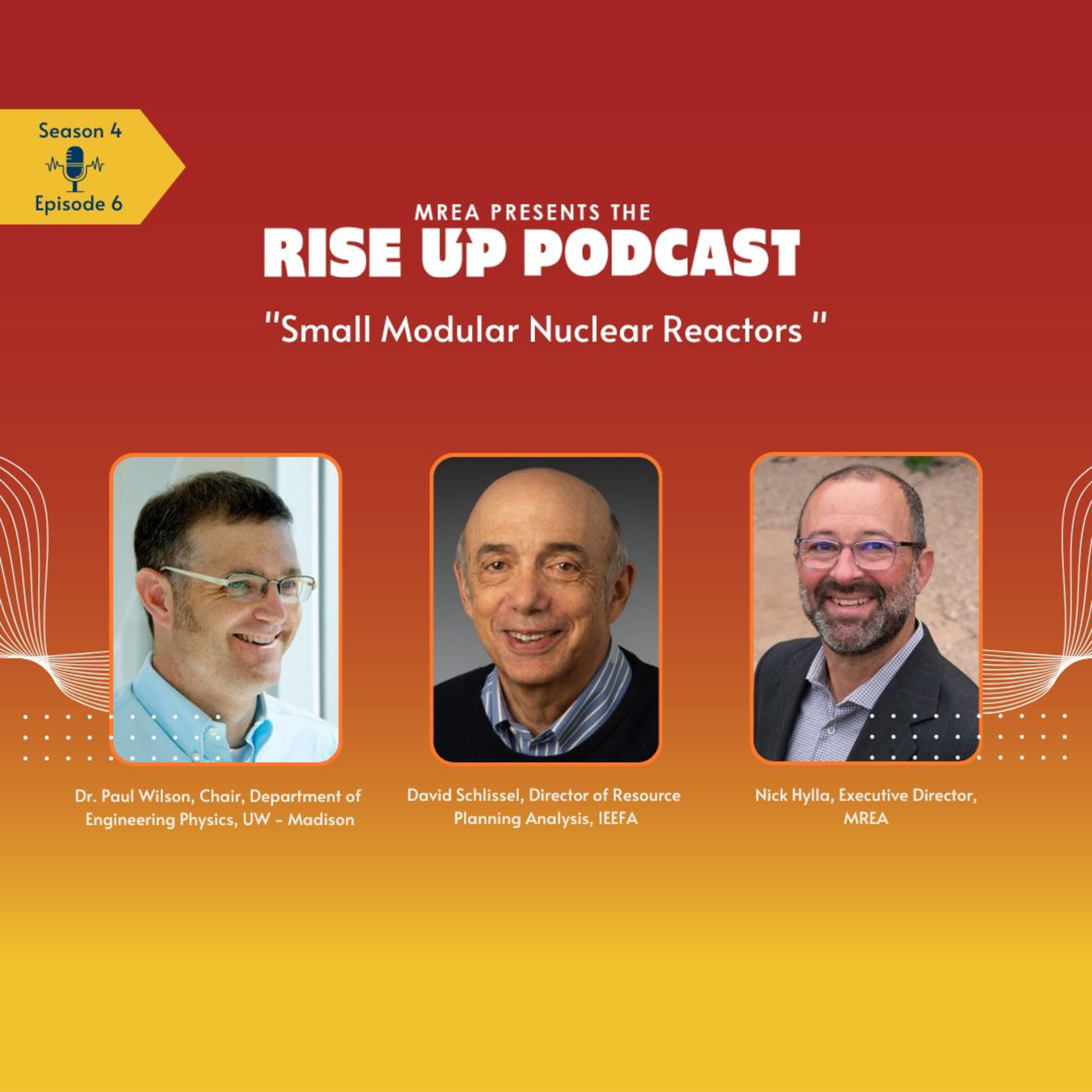
Episode 6 of the Rise Up podcast, hosted by the MREA, titled "Small Modular Nuclear Reactors " was published on May 16, 2023 and runs 80 minutes.

May 16, 2023 ·80m · Rise Up

0:00 / 0:00

Today, nuclear energy remains the largest low carbon source of electricity in the world. Yet looking closer at the trend reveals that it is a rapidly decreasing share of the global portfolio as plants are retired and wind and solar consistently lead new energy capacity additions. The US fleet is the largest of any nation, with 94 reactors in 28 states but is gradually shrinking as aging reactors are retired due to maintenance costs and competition from cheaper sources of power like natural gas, wind, and solar.  Over the past 5 years, the financial pressure on nuclear plants has elevated a critical public policy question: Should we take action to keep nuclear plants open? We saw this play out differently in two Midwest states with transformative legislation (both good and bad) and a massive bribery scandal ensnaring utility executives, lobbyists, and elected officials in Ohio and Illinois.  With a new reactor design, known as a small modular reactor (SMR), a production tax credit available for nuclear projects through the Inflation Reduction Act, and financing support available from the US Dept. Of Energy Loan Program Office, public utility commissions are or will be reviewing proposals for the construction of the next generation of nuclear reactors. The promoters of new nuclear reactors will point to increases in CO2 emissions in New York, New England, and Pennsylvania after nuclear facilities closed in each region. They point to countries like Germany whose reliance on natural gas and coal run counterproductive to their climate and geopolitical goals. And, they say that the US needs the baseload power that nuclear offers for continued grid stability. Arguments against nuclear include safety concerns, global nuclear proliferation, more socially advantageous options in distributed solar and wind, and eyebrow-raising costs and delays in recent projects.  With this in mind, we talk with two experts in nuclear technology and economics in the US. We discuss the role that US nuclear could play in a low-carbon electricity future, the current proposal being entertained, and the challenges facing the industry. We start with Paul Wilson, Grainger Professor of Nuclear Engineering and the Chair of the University of Wisconsin-Madison‘s Department of Engineering Physics. Then we discuss the economics of small modular reactors with David Schlissel, Director of Resource Planning Analysis at the Institute for Energy Economics and Financial Analysis.  Host: Nick Hylla, MREA Executive Director  Guests: Dr. Paul Wilson, Chair, Department of Engineering Physics, UW - Madison  David Schlissel, Director of Resource Planning Analysis, Institute for Energy Economics and Financial Analysis  Episode resources: RiseUpMidwest.org Live Event at The Energy Fair: https://www.theenergyfair.org/events/rise-up-live-events/   Show notes 0:20 – Nick overviews the current status of the aging nuclear fleet in the US  2:38 – Corruption issues surrounding nuclear legislation  5:27 – The financial costs of nuclear power  8:02 – Advancements in nuclear energy  9:30 – Small modular reactors  11:49 – Challenges facing the nuclear industry  16:21 – Opportunities for nuclear energy in the energy transition  20:18 – The process to build new nuclear capacity in Wisconsin  25:24  - License extensions for existing nuclear plants  29:53 – Management of used nuclear fuel  32:34 – Public engagement for the nuclear industry  39:23 – Energy storage in the Energy Transition  42:40 – France’s reputation with nuclear energy  49:23 – Nuclear fusion breakthroughs  57:05 – Nuclear cost overruns in Georgia  58:32 – Current vs SMR reactors  1:03:28 – Factors contributing to cost overruns  1:09:40 – Cost competitiveness  1:12:23 – Variability of solar and wind power  1:16:59 – Marketing of SMRs 

Today, nuclear energy remains the largest low carbon source of electricity in the world. Yet looking closer at the trend reveals that it is a rapidly decreasing share of the global portfolio as plants are retired and wind and solar consistently lead new energy capacity additions. The US fleet is the largest of any nation, with 94 reactors in 28 states but is gradually shrinking as aging reactors are retired due to maintenance costs and competition from cheaper sources of power like natural gas, wind, and solar. 

Over the past 5 years, the financial pressure on nuclear plants has elevated a critical public policy question: Should we take action to keep nuclear plants open? We saw this play out differently in two Midwest states with transformative legislation (both good and bad) and a massive bribery scandal ensnaring utility executives, lobbyists, and elected officials in Ohio and Illinois. 

With a new reactor design, known as a small modular reactor (SMR), a production tax credit available for nuclear projects through the Inflation Reduction Act, and financing support available from the US Dept. Of Energy Loan Program Office, public utility commissions are or will be reviewing proposals for the construction of the next generation of nuclear reactors. The promoters of new nuclear reactors will point to increases in CO2 emissions in New York, New England, and Pennsylvania after nuclear facilities closed in each region. They point to countries like Germany whose reliance on natural gas and coal run counterproductive to their climate and geopolitical goals. And, they say that the US needs the baseload power that nuclear offers for continued grid stability. Arguments against nuclear include safety concerns, global nuclear proliferation, more socially advantageous options in distributed solar and wind, and eyebrow-raising costs and delays in recent projects. 

With this in mind, we talk with two experts in nuclear technology and economics in the US. We discuss the role that US nuclear could play in a low-carbon electricity future, the current proposal being entertained, and the challenges facing the industry. We start with Paul Wilson, Grainger Professor of Nuclear Engineering and the Chair of the University of Wisconsin-Madison‘s Department of Engineering Physics. Then we discuss the economics of small modular reactors with David Schlissel, Director of Resource Planning Analysis at the Institute for Energy Economics and Financial Analysis. 


Host: Nick Hylla, MREA Executive Director 

Guests: Dr. Paul Wilson, Chair, Department of Engineering Physics, UW - Madison 

David Schlissel, Director of Resource Planning Analysis, Institute for Energy Economics and Financial Analysis 


Episode resources: RiseUpMidwest.org


Live Event at The Energy Fair: https://www.theenergyfair.org/events/rise-up-live-events/


Show notes

0:20 – Nick overviews the current status of the aging nuclear fleet in the US 

2:38 – Corruption issues surrounding nuclear legislation 

5:27 – The financial costs of nuclear power 

8:02 – Advancements in nuclear energy 

9:30 – Small modular reactors 

11:49 – Challenges facing the nuclear industry 

16:21 – Opportunities for nuclear energy in the energy transition 

20:18 – The process to build new nuclear capacity in Wisconsin 

25:24  - License extensions for existing nuclear plants 

29:53 – Management of used nuclear fuel 

32:34 – Public engagement for the nuclear industry 

39:23 – Energy storage in the Energy Transition 

42:40 – France’s reputation with nuclear energy 

49:23 – Nuclear fusion breakthroughs 

57:05 – Nuclear cost overruns in Georgia 

58:32 – Current vs SMR reactors 

1:03:28 – Factors contributing to cost overruns 

1:09:40 – Cost competitiveness 

1:12:23 – Variability of solar and wind power 

1:16:59 – Marketing of SMRs 

45: Rise of Giant Leaders

Sep 23, 2025 ·31m

43: INVISIBLE FORCE

Sep 9, 2025 ·34m

42: Heart of Relationships

Aug 28, 2025 ·41m

41: Becoming Wealthy

Aug 17, 2025 ·53m

40: STRATEGY & SUCCESS

Jul 17, 2025 ·42m

The Life Is Speedy Show Bryan C Sheppard Jr. Welcome to The Life Is Speedy Show where you will receive top notch motivation, wisdom & life coaching from yours truly and others featured on the shows to come!!! Very excited to share this with you all! Ready to add value to your lives and help you rise up in life and drive your vehicle! ALWAYS remember that LIFE IS SPEEDY.. SO GO!!! Rise of Divine Feminine Kate Magic A series of conversations anchored in the wisdom of the feminine, with women and men who are bringing in New Earth, and leading the way in raising our collective frequency. People who understand the truth of "Heal Thyself to Heal the World," and through authentically showing up from a space of love and healing, they invite those around them to raise their own personal vibrations and create offerings that contribute to the planetary shift that we are going through currently. Feet firmly on the ground while reaching for the stars, living in harmony with the earth, and working intentionally with the divine. Kate Magic is a world-renowned raw vegan chef, health educator and author, and founder of RawLiving.co.uk. Rise Take Walk with Danielle "Ms. Lady D." Smith(John 5:8) Danielle "Ms. Lady D." Smith "When Jesus saw him in this condition he asked the impotent man, "Wilt thou be made whole?" The impotent man replied, "I have no one to help me, when opportunities arise, someone else gets there ahead of me." In our infirmities, physical, mental, or spiritual weaknesses, it is easy to give an excuse on why you are in bondage and still being held back from becoming whole. The RTW Podcast with Danielle "Ms. Lady D." Smith takes you through a journey on how to Rise, Take up thy bed, and Walk in Faith and Healing in relationships, health, finances, career, and life! The Come Up Zaire Williams This podcast will follow my day to day struggles & successes as a young entrepreneur from NJ, trying to build a media dynasty. This podcast is entitled “The Come Up” because it is just that, it is my rise into what I know will be a very fruitful career. Follow me to greatness.
URL copied to clipboard!