
EPISODE · Dec 16, 2025 · 3 MIN
Sotomayor Defends Juries, Agencies, Disability Rights at Supreme Court
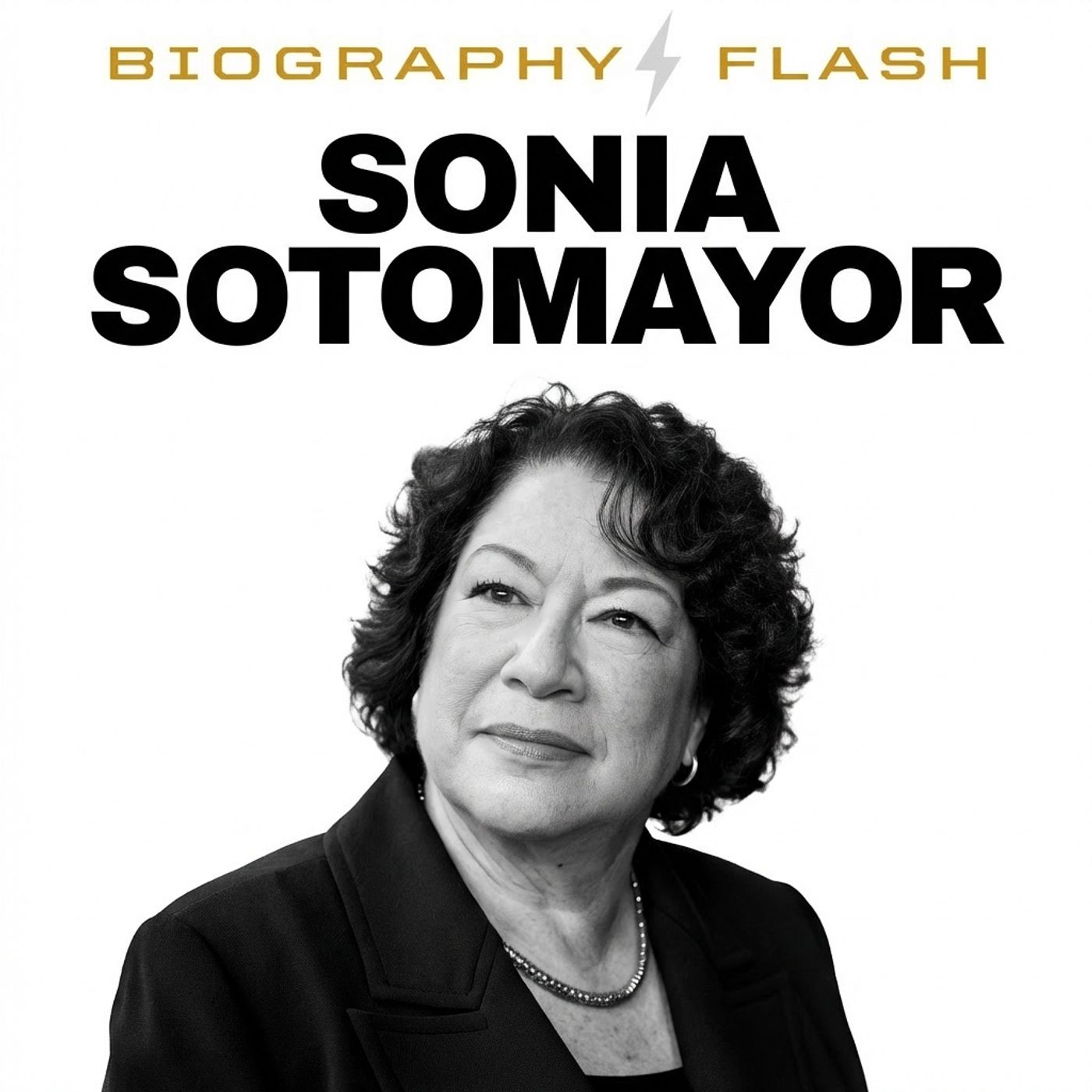
from Sonia Sotomayor - Biography Flash · host Inception Point AI
Sonia Sotomayor BioSnap a weekly updated Biography. According to SCOTUSblog, the most substantively important Sonia Sotomayor development in the past few days has been her role in a pair of Supreme Court matters that go to the heart of criminal justice and the structure of government. In an order list made public late last week, the Court denied review in Davenport v. United States, a case about whether federal trial judges may define reasonable doubt for jurors. Justice Sotomayor penned a separate statement agreeing that the appeal was too late but pointedly criticizing the trial court for refusing any definition and stressing, in a line likely to echo in future criminal cases, that federal courts are not prohibited from defining reasonable doubt and should weigh case specific circumstances when deciding whether to do so. SCOTUSblog reports that this brief writing has already drawn attention among court watchers as a marker of her long running concern with jury instructions and defendants rights. On the administrative state front, multiple outlets including Consumer Finance Monitor and Democracy Now report that during high stakes oral arguments over whether President Trump can fire Federal Trade Commission commissioners at will, Sotomayor lit up the chamber by warning that the administration was asking the Court to destroy the structure of government and strip Congress of its ability to create truly independent agencies. MSNBCs legal newsletter and Democracy Now both highlighted that line in headlines framing the hearing as a potential watershed for the modern regulatory state, reinforcing her public image as the liberal blocs most blunt critic of expanded presidential power. In another closely watched argument out of Alabama on intellectual disability and the death penalty, summarized by the ADA Southeast regional center from SCOTUSblog coverage, Sotomayor pressed the states lawyer on inconsistent expert testimony and underscored that state law and modern clinical standards require courts to consider all probative evidence, not just a single IQ number. That exchange has been noted in legal circles as continuing her long standing role as the Courts most outspoken skeptic of capital punishment procedures. Away from One First Street, Sotomayor has not had any splashy new television appearances or viral social media moments in the last few days. A Bronx community event calendar lists a Photos with Santa gathering at the Justice Sonia Sotomayor Community Center, but there is no indication she personally attended, so any suggestion she was there would be speculation rather than confirmed reporting. Get the best deals https://amzn.to/3ODvOta This content was created in partnership and with the help of Artificial Intelligence AI.
Embed this episode
NOW PLAYING
Sotomayor Defends Juries, Agencies, Disability Rights at Supreme Court
No transcript for this episode yet
Similar Episodes
No similar episodes found.
Similar Podcasts
No similar podcasts found.