
EPISODE · Dec 1, 2025 · 2 MIN
South Korea Exports Surge with AI Chip Demand Despite US Tariffs Amid Landmark Trade Agreement
from South Korea Tariff News and Tracker · host Inception Point AI
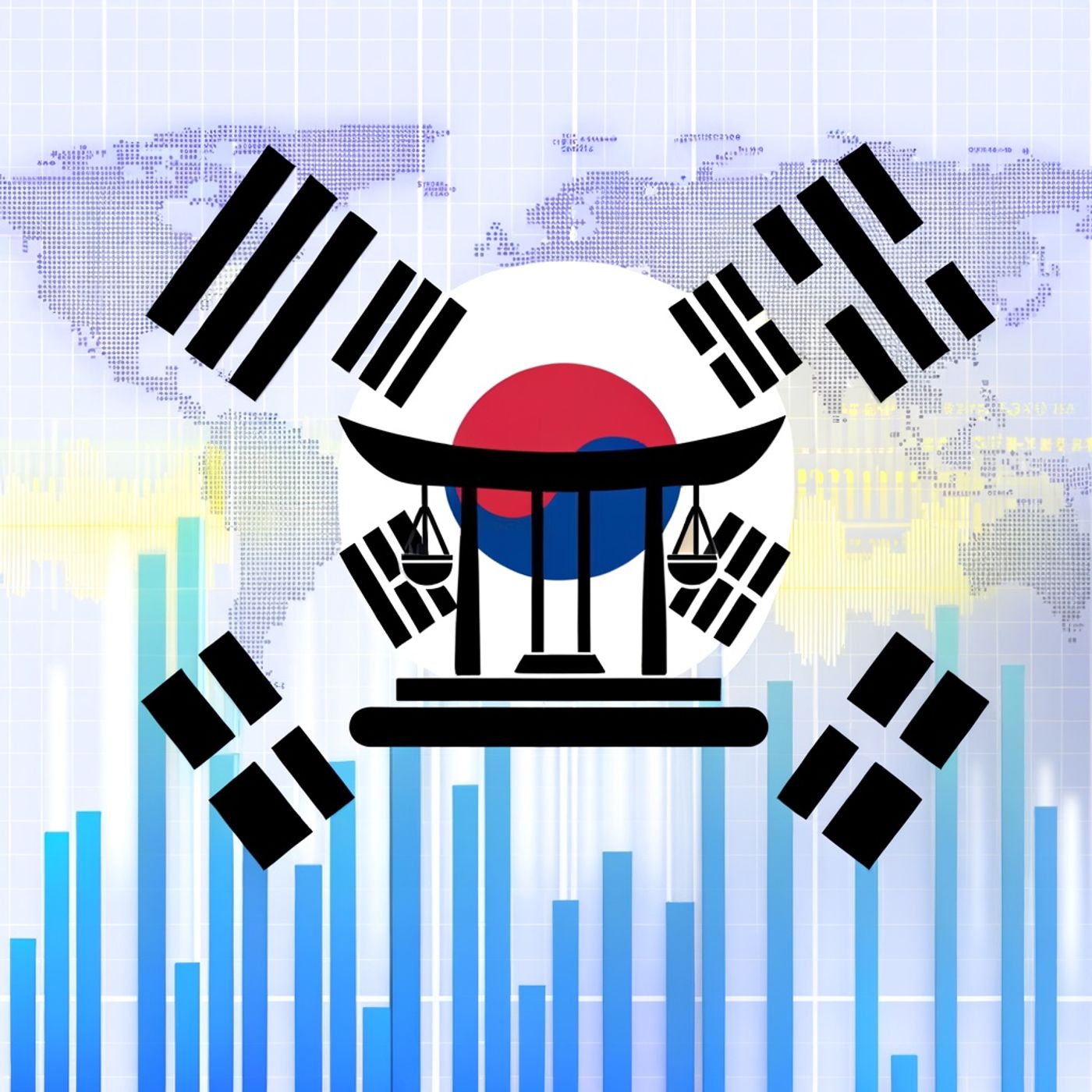
South Korea’s export sector continues to surge, defying the headwinds of steep U.S. tariffs and global trade uncertainty. In November, exports climbed 8.4% year-on-year, marking the sixth consecutive month of record highs and pushing the country’s total exports for the year so far past $640 billion. The semiconductor industry remains the powerhouse, with chip exports jumping nearly 39% in November, driven by robust demand for AI and data center technologies. Automobile exports also rebounded, rising almost 14%, even as some segments face the full impact of U.S. tariffs. A major development for South Korean exporters came last month, when the U.S. and South Korea finalized a trade agreement that caps U.S. tariffs on South Korean goods at 15%, effective from November 1. This is a significant reduction from the previous 25% tariff on automobiles, which had been a major concern for Korean manufacturers. The deal was part of a broader package tied to South Korea’s $350 billion investment commitments and has brought much-needed clarity for businesses navigating the new U.S. trade landscape. Despite this relief, the broader picture remains complex. The Trump administration has continued to expand Section 232 tariffs, with rates on steel, aluminum, and copper imports from most countries now at 50%. However, South Korea, along with the EU and Japan, benefits from the reduced 15% rate on automobiles thanks to the recent bilateral agreement. Other sectors, such as steel, petrochemicals, and auto parts, have not fared as well, with exports in these areas declining due to both tariffs and global oversupply. South Korea’s exports to the United States edged down just 0.2% in November, a limited decline thanks to the new tariff deal. Exports to China rose 6.9%, while shipments to the Middle East surged around 33% and those to Southeast Asia increased by 6.3%. The Bank of Korea has upgraded its economic outlook, citing resilient private consumption and the strength of chip exports, but warns that next year’s growth may slow as the effects of this year’s high base and ongoing U.S. tariffs take hold. Thank you for tuning in to South Korea Tariff News and Tracker. Make sure to subscribe for the latest updates. This has been a quiet please production, for more check out quiet please dot ai. For more check out https://www.quietperiodplease.com/ Avoid ths tariff fee's and check out these deals https://amzn.to/4iaM94Q This content was created in partnership and with the help of Artificial Intelligence AI.
Embed this episode
NOW PLAYING
South Korea Exports Surge with AI Chip Demand Despite US Tariffs Amid Landmark Trade Agreement
No transcript for this episode yet
Similar Episodes
No similar episodes found.
Similar Podcasts
No similar podcasts found.