
EPISODE · Jan 27, 2021 · 16 MIN
Spartans Hall of Fame head athletic trainer on keeping Spartan student-athletes healthy
from MSU Today with Russ White · host Russ White
“As athletic trainers, we arrive here in the morning before the athletes usually go to work out, go to lift weights, go to other workouts, practices, or whatever,” Nogle tells Beekman. “We help get them ready for that. We might stretch somebody. We might tape somebody, put a splint or brace on, whatever they need before they go work out to do their lifting, their conditioning or practice. There are administrative tasks, too, like giving an injury report to a coach. “Then treatments start and continue throughout the whole morning. You're doing rehabilitation all morning long for all the injuries that have happened. You may use modalities like the ultrasound, electrical STEM machines, heat, or cold, and then we do hands-on rehab. Then we get to the afternoon and do a lot of taping for football because all their ankles will be taped. Then the practice comes, and so we go out to practice and we cover the practice and we watch them work out and watch the injured people to see how they're performing. Are they getting better or worse? What's happening there? Then we evaluate and take care of any new injuries that happened at practice. It's a long day.”Nogle tells Beekman she talks a lot about hydration, sleep, and nutrition with athletes because that's the best way to recover, to be honest, she says. She likes athletes to get eight or nine hours of sleep, too.“It doesn't happen very often, but we do like them to get eight or nine hours of sleep. That's what they need at that age and for their body to recover faster and better. We talk about hydration because if you're hydrated, you recover faster and then nutrition can help you with recovery. Our dieticians help the athletes know what to take and when to take it, and that helps them recover also. Between compression units, rolling out, ice tubs, and lifestyle, I'll call it, that helps the athletes recover faster.”“With all of the fancy technology and tools and other things available to us, it sort of comes down to kind of what your mom told you when you were in high school: get a good night's rest, eat healthy and take care of yourself,” quips Beekman. “Those are the biggest keys towards wellness for people or for our student-athletes.”What about some changes to athletic training over the years?“When I first started, some of the things were crazy,” says Nogle. “You think about the surgeries. If someone had a meniscus tear in the knee, their season was done. You had to open them up, and the season was over. People had trick knees. We didn’t call them ACLs to be honest, we'd call it a trick knee. Now, you have arthroscopy and now you can fix the ACL. The PCL, the other ligament in the knee, we never fixed before. Now we can fix those. Doctors can fix those. I think the biggest thing is these athletes are going now year-round. They had an offseason when I first started. Trying to help them through year-round athletics and make sure they do get some rest and recovery away from their sport or away from the repetitiveness of it is something we deal with now that we didn't deal with 25 years ago.“Concussions, obviously, have changed immensely. We did what we thought was best at the time. There were concussion protocols that we followed. We followed them and believed in them because that's what we were told by the neurosurgeons in the country. In the end, obviously, it wasn't the right advice. “Now, we've changed what we do. They don't go back into a game again if they've had a concussion. Before, if they cleared up in 15 minutes, you put them back in. We would never do that now. We think that'd be terrible. Back then, that was the norm and you were following what was best practices at that point in time. That part's changed a lot.“Some of our modalities that we have now to treat injuries have improved. There's a lot more knowledge. The research that's been done in athletic training is improved a lot. Sports medicine's improved a lot. We now know the techniques that will help us get an athlete back faster or the surgery that's better to do than we did before. We've had a lot of advances in 25 years.”Nogle talks about how the pandemic has impacted athletic training and about what inspired her to get into the field. She tells Bill about some of favorite memories, like the Rose Bowl and Cotton Bowl victories but says her favorite memory may have been when Amp Campbell returned to the field after being injured the previous season.“He broke his neck when we played at Oregon. Then a year later, Oregon played here and he picked up a fumble and ran it back for a touchdown. That was just like, ‘Wow!’ because I never thought he'd make it back to playing. It’s one of my memories that was really special.“That's why our jobs are great. You get the highs and the lows as they go through the rehab process. Then to see them compete, which is their ultimate goal, is really exciting. It makes it all the work worth it.”Audio courtesy of Scott Moore and the Spartan Sports Network.MSU Today airs every Sunday morning at 9:00 on 105.1 FM, AM 870, and however you stream your shows. Find “MSU Today with Russ White” on Spotify, Apple Podcasts, and wherever you get your podcasts.
Embed this episode
What this episode covers
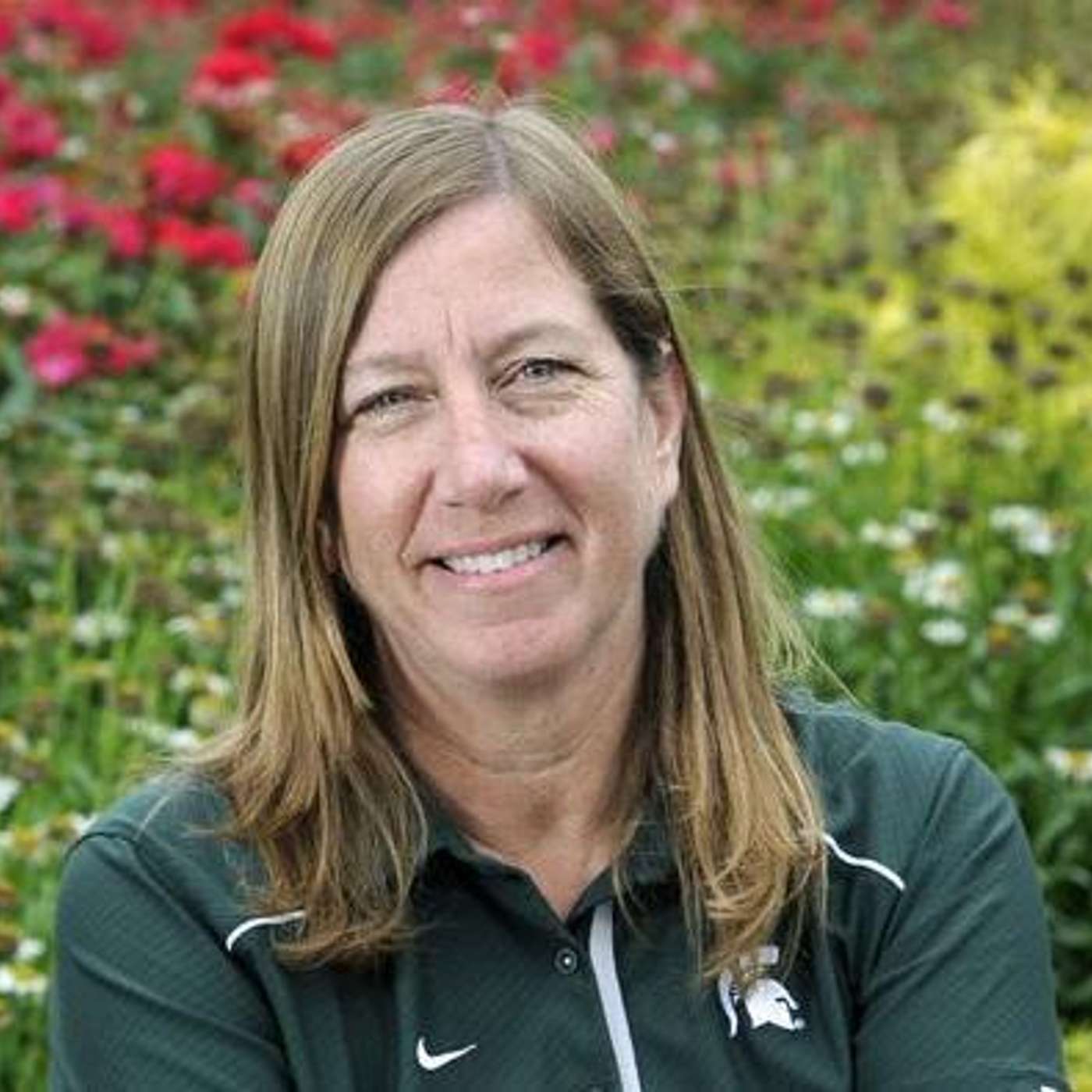
Bill Beekman, Vice President and Director of Athletics at Michigan State University, talks with Spartan Athletics Hall of Fame Head Trainer Sally Nogle on this edition of the MSU Today podcast.
Ready to play
Spartans Hall of Fame head athletic trainer on keeping Spartan student-athletes healthy
No transcript for this episode yet
Similar Episodes
No similar episodes found.
Similar Podcasts
No similar podcasts found.