
EPISODE · Feb 3, 2026 · 5 MIN
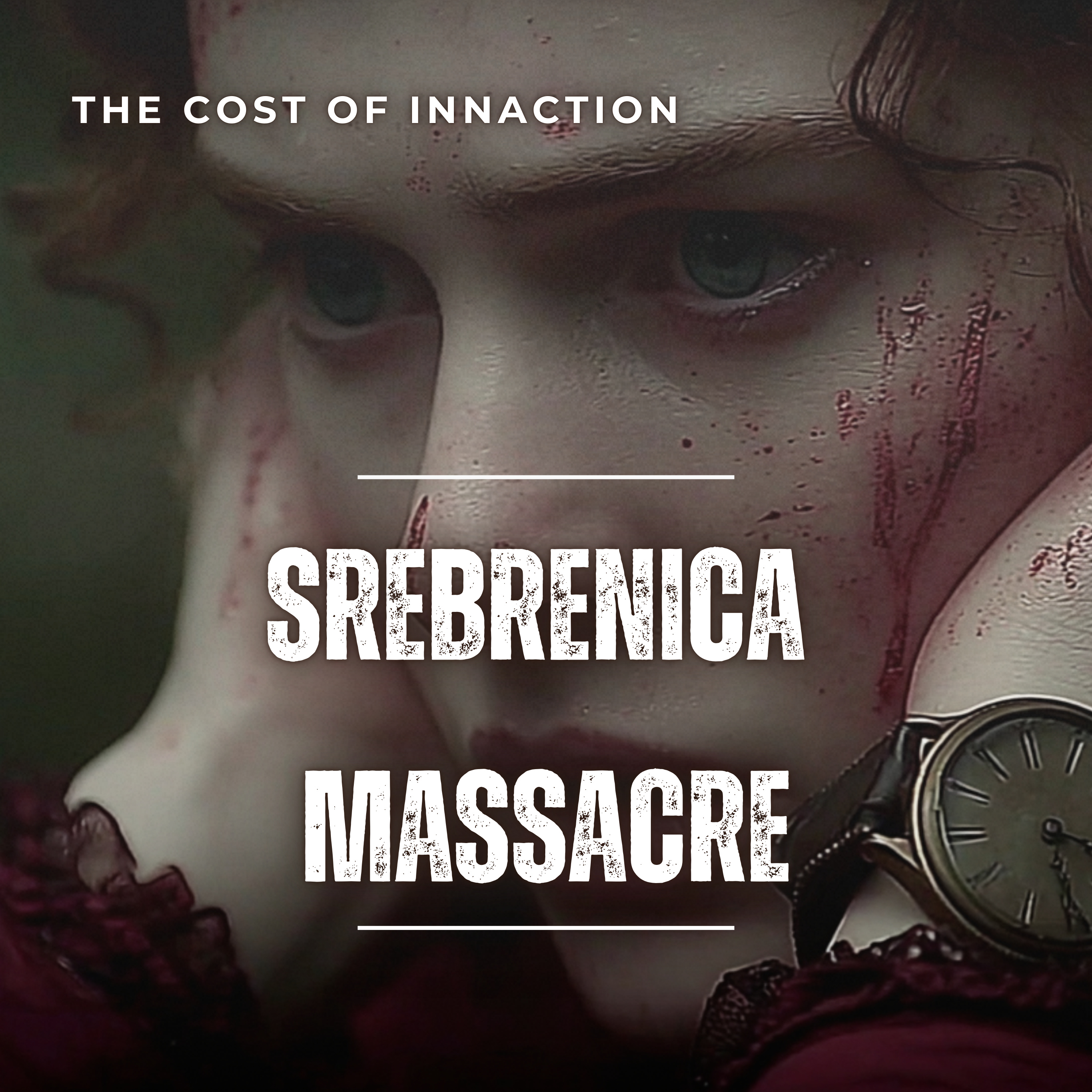
Srebrenica Massacre - The Cost of Inaction
from Empty Night — Independent Historical Chapters · host Blowing Frog
In July 1995, in a small town in eastern Bosnia, thousands of men vanished over the course of a few days. They were last seen under guard. Most were never seen alive again.This episode of Empty Night examines Srebrenica—not as a sudden collapse into violence, but as the outcome of prolonged siege, political hesitation, and institutional failure. Designated a United Nations “safe area,” the enclave existed in name more than in practice: isolated, overcrowded, and surrounded, with protection that could not be enforced.Drawing on eyewitness testimony, forensic findings, and international court records, this episode traces how separation became procedure, how detention became routine, and how mass killing unfolded in plain sight. The presence of peacekeepers did not prevent atrocity; it reframed it within the language of mandate and restraint.Why did a protected zone fail without meaningful resistance?What limits were exposed in international peacekeeping?What does it mean when warning signs are visible, but action does not follow?Developed with the contribution of a guest animator, this episode reconstructs events with care, allowing space for silence where certainty ends.The killings were systematic.The failure was cumulative.The world was watching.Listeners can find a more exhaustive cinematic version of this episode—with visual reconstruction and archival context—on the official YouTube channel, Empty Night.
Embed this episode
NOW PLAYING
Srebrenica Massacre - The Cost of Inaction
No transcript for this episode yet
Similar Episodes
No similar episodes found.
Similar Podcasts
No similar podcasts found.