
EPISODE · Mar 7, 2026 · 56 MIN
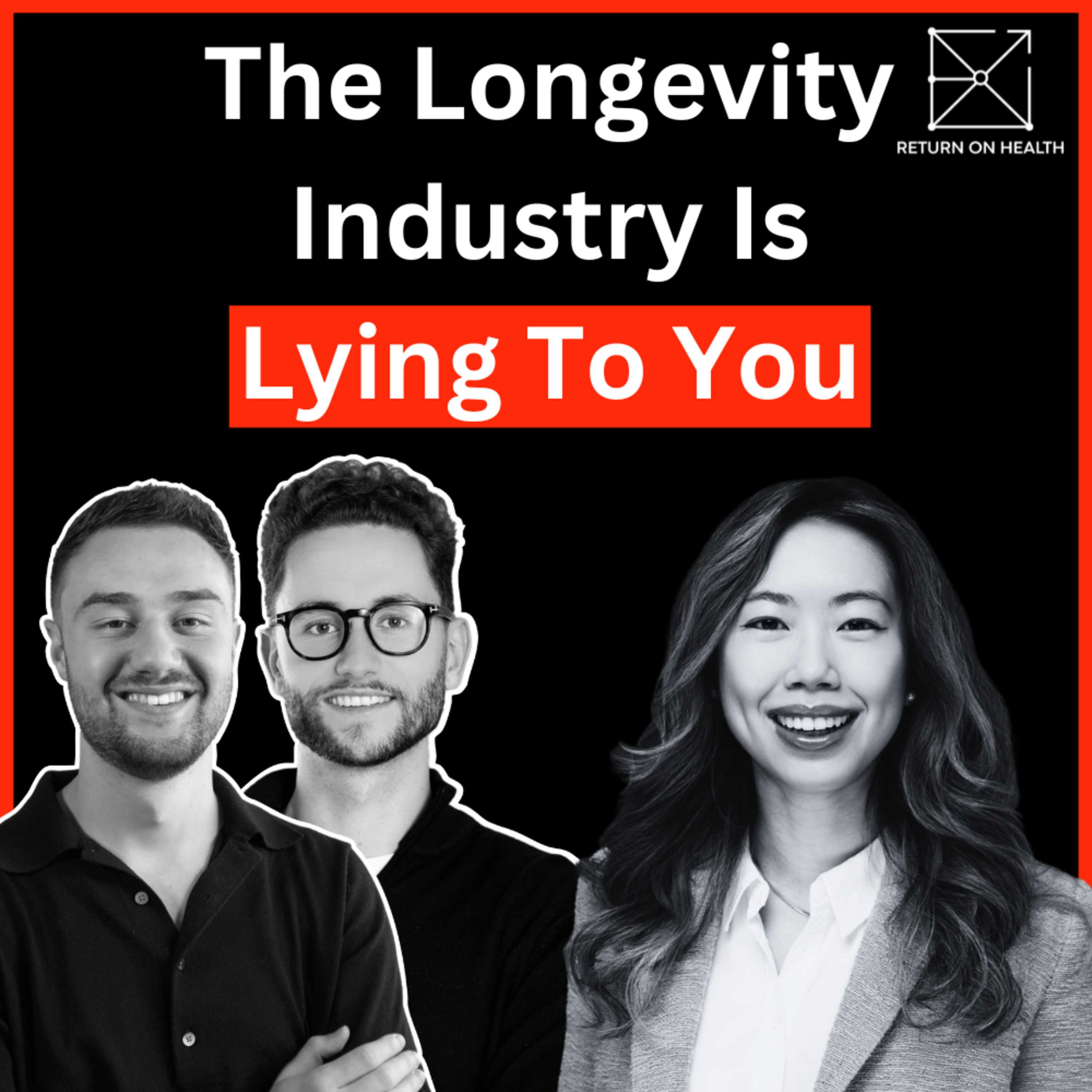
Stanford MD: The Longevity Industry Is Lying To You
from Return on Health · host Niko Hems and Miguel Medina
Longevity science is advancing quickly. Healthcare systems are moving much slower.In this episode, Stanford-trained physician Dr. Hillary Lin explains why prevention, biological age testing, mitochondria, and health optimization often struggle to translate into real clinical practice. We discuss the limits of NAD+ supplementation, the risks around peptides, and why behavioral change still drives most health outcomes.The conversation also looks at decentralizing healthcare, continuous monitoring, and why many high performers struggle with recovery despite doing “everything right.”What you’ll learn• Why longevity science and healthcare are misaligned• The role mitochondria play in aging and energy• When NAD+ supplementation can backfire• Risks around peptides and self-experimentation• Why behavior change drives most longevity gains• The future of continuous health monitoringTopics00:00 The gap in longevity care02:17 Hillary Lin’s path into longevity medicine05:28 Decentralizing healthcare08:13 Mental health navigation14:05 Mitochondria and mitophagy16:45 The NAD+ problem22:33 High performer bottlenecks27:20 Behavior change and longevity30:31 Peptides in longevity medicine35:02 Continuous healthcare models46:19 Biological age testing51:32 The future of healthcare monitoringFollow Hillary:https://www.hillarylinmd.com/https://www.linkedin.com/in/hillarylinmd/https://www.instagram.com/hillarylinmd/?hl=enMore about Return on Health:https://returnonhealth.de/Niko:https://www.linkedin.com/in/niko-hems/https://www.instagram.com/niko_hemshttps://nikohems.de/Miguel:https://www.linkedin.com/in/miguel-medina-stanivukovic-857b9720b/https://www.instagram.com/miguelmedinastanivukovic/?hl=en
What this episode covers
Longevity science is advancing quickly. Healthcare systems are moving much slower.In this episode, Stanford-trained physician Dr. Hillary Lin explains why prevention, biological age testing, mitochondria, and health optimization often struggle to translate into real clinical practice. We discuss the limits of NAD+ supplementation, the risks around peptides, and why behavioral change still drives most health outcomes.The conversation also looks at decentralizing healthcare, continuous monitoring, and why many high performers struggle with recovery despite doing “everything right.”What you’ll learn• Why longevity science and healthcare are misaligned• The role mitochondria play in aging and energy• When NAD+ supplementation can backfire• Risks around peptides and self-experimentation• Why behavior change drives most longevity gains• The future of continuous health monitoringTopics00:00 The gap in longevity care02:17 Hillary Lin’s path into longevity medicine05:28 Decentralizing healthcare08:13 Mental health navigation14:05 Mitochondria and mitophagy16:45 The NAD+ problem22:33 High performer bottlenecks27:20 Behavior change and longevity30:31 Peptides in longevity medicine35:02 Continuous healthcare models46:19 Biological age testing51:32 The future of healthcare monitoringFollow Hillary:https://www.hillarylinmd.com/https://www.linkedin.com/in/hillarylinmd/https://www.instagram.com/hillarylinmd/?hl=enMore about Return on Health:https://returnonhealth.de/Niko:https://www.linkedin.com/in/niko-hems/https://www.instagram.com/niko_hemshttps://nikohems.de/Miguel:https://www.linkedin.com/in/miguel-medina-stanivukovic-857b9720b/https://www.instagram.com/miguelmedinastanivukovic/?hl=en
NOW PLAYING
Stanford MD: The Longevity Industry Is Lying To You
No transcript for this episode yet
Similar Episodes
Mar 19, 2026 ·34m
Feb 18, 2026 ·11m
Feb 11, 2026 ·45m
Nov 12, 2025 ·35m
Oct 17, 2025 ·40m