
EPISODE · Mar 15, 2026 · 49 MIN
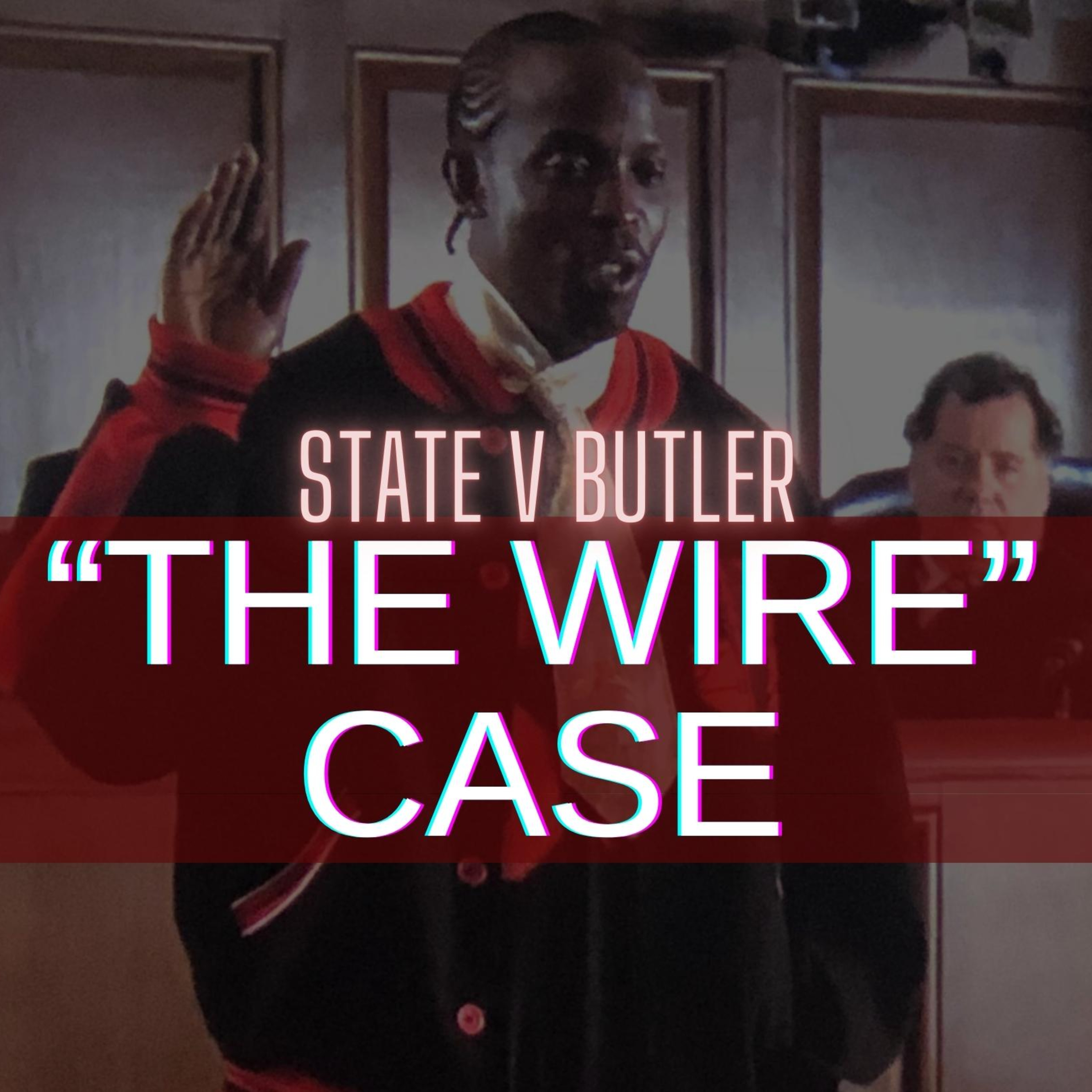
State v. Gerald Butler: Cumulative Error in the NJ Supreme Court
from NJ Criminal Podcast · host Legal Podcasting
The New Jersey Supreme Court rarely reverses a conviction on cumulative error alone—but that’s exactly what happened in State v. Gerald W. Butler. Assistant NJ Deputy Public Defender Alison Gifford, who argued Butler on appeal, joins Former NJ prosecutor and Certified Criminal Trial Attorney Meg McCormick Hoerner to explain how pop‑culture analogies, “background” gun‑violence testimony, and search‑warrant language combined to tip a circumstantial drug case.In this episode, you’ll learn:The facts behind the Butler investigation, wiretap, and search warrant.Why the prosecutor’s reference to HBO’s The Wire in opening was risky, even though it wasn’t reversible error by itself.How repeated mentions of shootings, “Operation That’s All Folks,” and the Organized Crime Bureau created emotional undertones of uncharged violence.How State v. Cain limits search‑warrant testimony and why calling the defendant the “target” mattered here.The difference between harmless error and plain error—and why one well‑timed objection can preserve an issue for appeal.Who this episode is forNew Jersey criminal defense attorneys and prosecutorsAppellate practitioners looking for a fresh cumulative‑error caseLaw students and clerks studying standards of review and trial errorInvestigators and law enforcement officers who testify in criminal casesFAQ (Short Form)What is the main takeaway from State v. Butler?Cumulative trial errors that repeatedly invite the jury to see a defendant as violent or gang‑involved—without evidence in the record—can collectively deny a fair trial, even if no single error is reversible on its own.What should trial lawyers change after this decision?Prosecutors should keep forceful advocacy tied to the evidence of the charged offenses. Defense lawyers should preserve objections to pop‑culture analogies, extra‑evidentiary “background,” and search‑warrant bolstering, knowing those objections preserve a more favorable standard on appeal.Subscribe & Next StepsFollow NJ Criminal Podcast on Spotify so you don’t miss future episodes on major New Jersey criminal cases, trial tactics, and appellate decisions.If you’d like to bring your own true‑crime experience or criminal defense expertise to the show—and see firsthand how podcasting supports EEAT and SEO without starting your own podcast—visit NJCriminalPodcast.com to inquire about being a guest.To understand how AI and search currently see your firm, and to get a custom EEAT / AI strategy playbook for your law firm plus a usable content cluster just for participating in a walkthrough, visit Jornio.com and schedule a firm audit with Meg McCormick Hoerner, Tom Ritter and the Jornio team.
Embed this episode
Ready to play
State v. Gerald Butler: Cumulative Error in the NJ Supreme Court
No transcript for this episode yet
Similar Episodes
No similar episodes found.
Similar Podcasts
No similar podcasts found.