Stellar Shape-Shifters episode artwork

EPISODE · Sep 1, 2015 · 9 MIN

Stellar Shape-Shifters

from Radio Stars · host Radio Stars

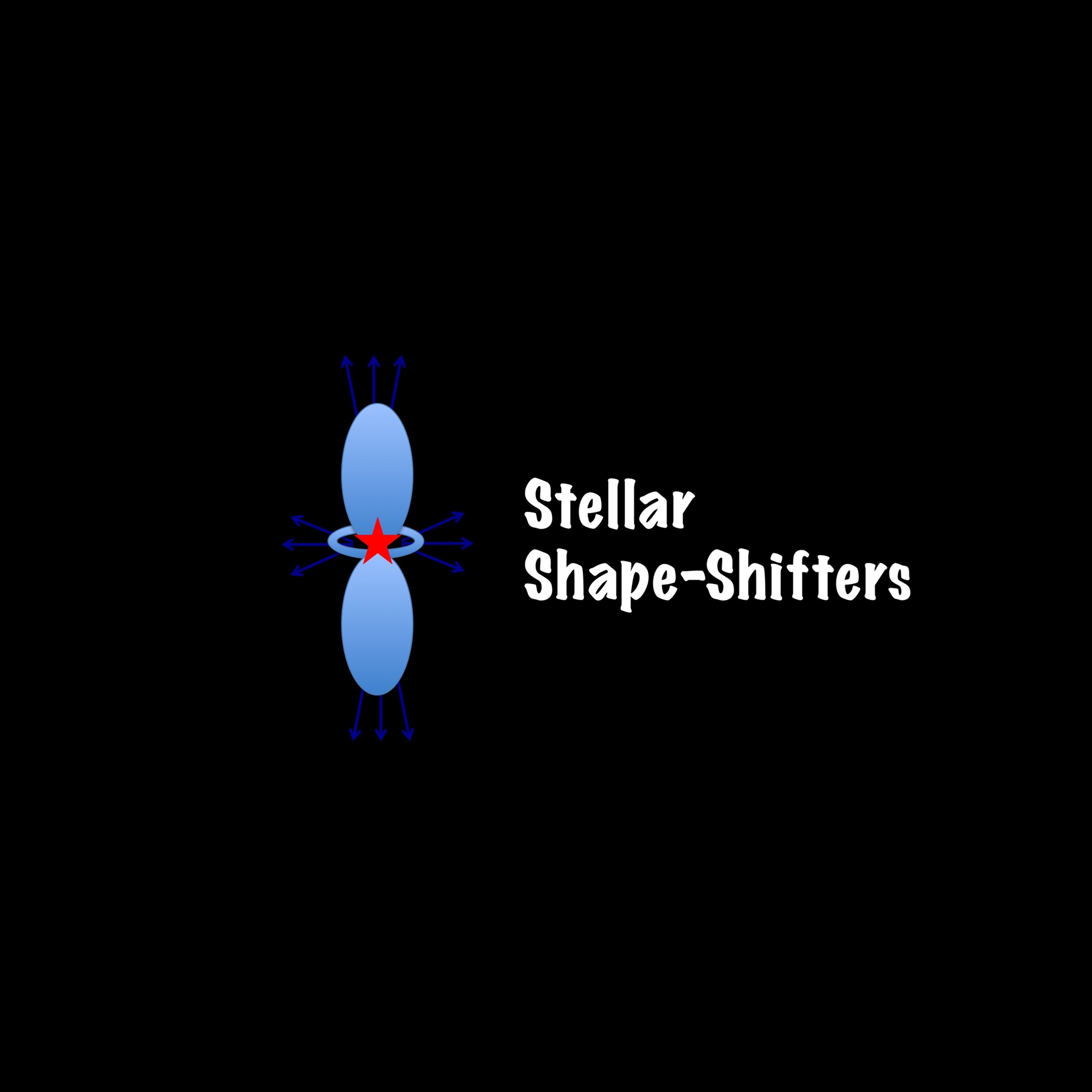
Planetary nebulae form when a wind from a dying star blows away its outer layers, enveloping the star in a cloud of debris that can span many light years across. Often planetary nebulae have spectacularly complex shapes, leading to whimsical nicknames such as "Eskimo" or "Cat's Eye". However, the origin of these diverse shapes has been a long-standing puzzle; if the progenitor stars are spherical and lose mass uniformly in all directions, what sculpts their ejecta into these varied forms? Using observations of circumstellar radio waves, scientists are discovering that part of the answer is that the outflows from some dying stars are far more complex than once believed. This podcast explores how two types of radio wavelength observations of dying stars are being combined to offer new insights into the origin of the intricately-shaped stellar ejecta known as planetary nebulae.

Planetary nebulae form when a wind from a dying star blows away its outer layers, enveloping the star in a cloud of debris that can span many light years across. Often planetary nebulae have spectacularly complex shapes, leading to whimsical nicknames such as "Eskimo" or "Cat's Eye". However, the origin of these diverse shapes has been a long-standing puzzle; if the progenitor stars are spherical and lose mass uniformly in all directions, what sculpts their ejecta into these varied forms? Using observations of circumstellar radio waves, scientists are discovering that part of the answer is that the outflows from some dying stars are far more complex than once believed. This podcast explores how two types of radio wavelength observations of dying stars are being combined to offer new insights into the origin of the intricately-shaped stellar ejecta known as planetary nebulae.

NOW PLAYING

Stellar Shape-Shifters

0:00 9:31

No transcript for this episode yet

We transcribe on demand. Request one and we'll notify you when it's ready — usually under 10 minutes.

Frequently Asked Questions

How long is this episode of Radio Stars?

This episode is 9 minutes long.

When was this Radio Stars episode published?

This episode was published on September 1, 2015.

What is this episode about?

Planetary nebulae form when a wind from a dying star blows away its outer layers, enveloping the star in a cloud of debris that can span many light years across. Often planetary nebulae have spectacularly complex shapes, leading to whimsical...

Can I download this Radio Stars episode?

Yes, you can download this episode by clicking the download button on the episode player, or subscribe to the podcast in your preferred podcast app for automatic downloads.
URL copied to clipboard!