
EPISODE · Dec 12, 2025 · 30 MIN
Stop Overcomplicating Your Magic System
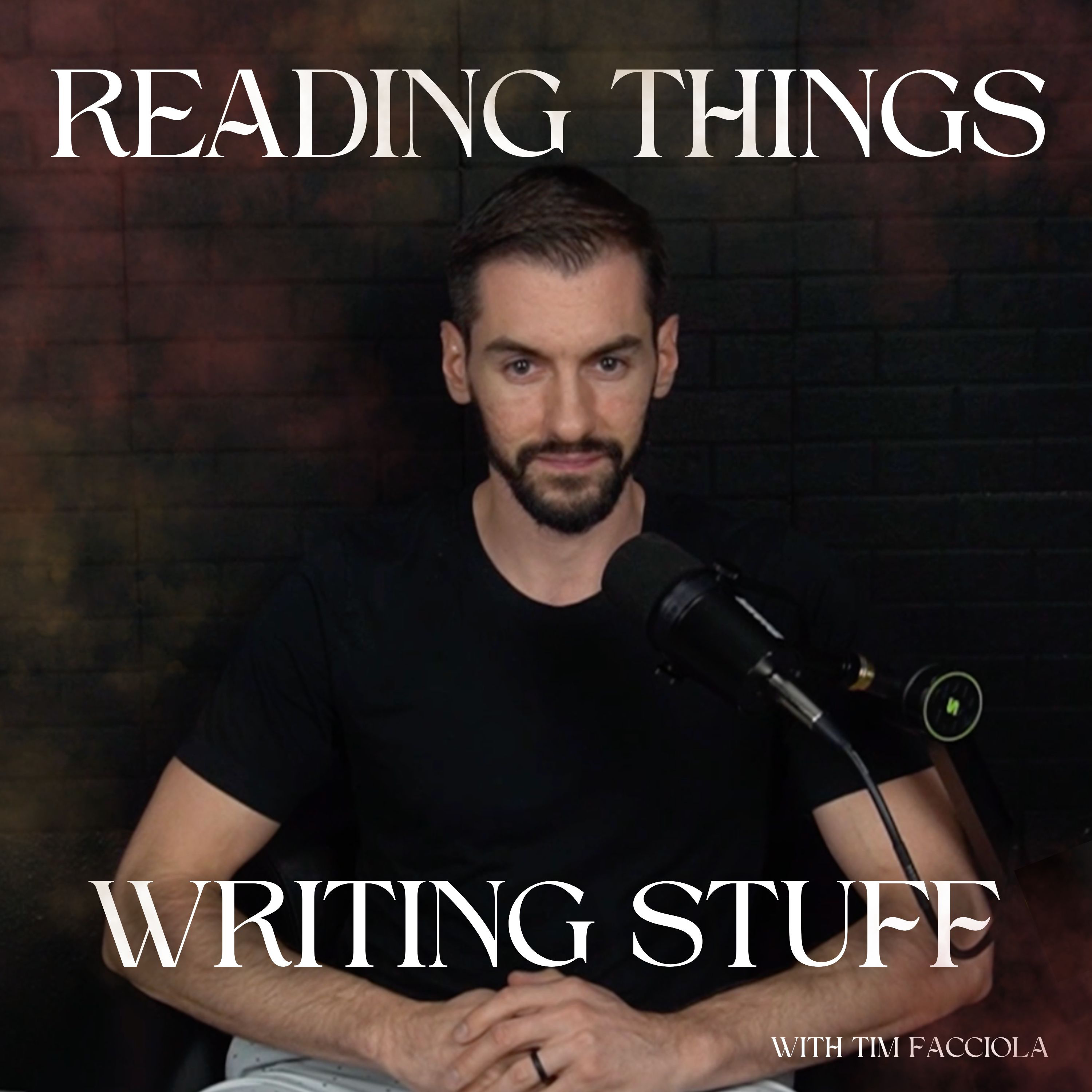
from Reading Things and Writing Stuff : Fantasy Writing, Worldbuilding & The Art of Storycraft · host Tim Facciola
In this episode…I’m diving into one of my absolute favorite parts of storytelling—magic systems. Hard magic, soft magic, hand-wavy mysticism, rule-heavy power structures… all of it. I talk about why I love magic and tech so much, how they shape the stories we tell, and how they can become some of the most memorable parts of a book.We walk through what actually separates a hard system from a soft one, why the difference matters, and how both approaches come with huge strengths (and a few pitfalls). I also get into the way magic and technology can mirror each other, why limitations matter more than abilities, and how magic should always serve the story—not the other way around.I share examples from series like Avatar: The Last Airbender, Mistborn, The Greatcoats, A Song of Ice and Fire, and more, plus a look at how the magic works in The Eventual Realm—where everything revolves around balance, cost, and the consequences of power.If you love building worlds, designing systems, or just nerding out about how magic shapes everything, you’re going to enjoy this one.What actually defines a hard vs. soft magic systemWhy magic exists on a spectrum—not two separate boxesHow rules and limits make magic feel believableWhy soft magic can carry big emotional and thematic weightHow Avatar: The Last Airbender uses bending to reinforce the theme of balanceWhy Mistborn and Stormlight are great examples of “toolbox” magicHow GRRM’s soft, mysterious magic works because the story is about politicsFinding the right level of complexity for your audienceHow magic changes a world—from daily life to economics to warfareWhy every ability should come with a costHow tech often functions as magic with different clothesWhen “simple” magic systems are actually the strongest choiceBehind the scenes of The Eventual Realm:Magic derived from the godsElemental abilities balanced through physical consequencesShadow, light, blood, and healing magic—and their mental/emotional costsWhy balance is at the center of the entire systemHow to make your magic support your story’s heart and themesWhy writing for yourself first leads to more authentic worldsUnderstanding market trends without letting them dictate your storyTraitor’s Blade / The Greatcoats — Sebastien de CastellAshes of the Sun — Django WexlerMistborn, Stormlight Archive, Warbreaker — Brandon SandersonAvatar: The Last AirbenderThe Kingkiller Chronicle — Patrick RothfussA Song of Ice and Fire — George R.R. MartinStar WarsThe Eventual Realm — Tim FacciolaInstagram:@timfacciola_theauthorApply to work with me:https://docs.google.com/forms/d/e/1FAIpQLSejci7iaHU3--TT8TOo82boYj7OsUIap3FscyQ4Qc2f8Z0EkQ/viewformRead A Vengeful Realm:https://www.amazon.com/dp/B0CK143ZK2Everything else:https://linktr.ee/timfacciolaWhat We Cover:Books, Shows & Series Mentioned:Connect with Tim:
What this episode covers
In this episode…I’m diving into one of my absolute favorite parts of storytelling—magic systems. Hard magic, soft magic, hand-wavy mysticism, rule-heavy power structures… all of it. I talk about why I love magic and tech so much, how they shape the stories we tell, and how they can become some of the most memorable parts of a book.We walk through what actually separates a hard system from a soft one, why the difference matters, and how both approaches come with huge strengths (and a few pitfalls). I also get into the way magic and technology can mirror each other, why limitations matter more than abilities, and how magic should always serve the story—not the other way around.I share examples from series like Avatar: The Last Airbender, Mistborn, The Greatcoats, A Song of Ice and Fire, and more, plus a look at how the magic works in The Eventual Realm—where everything revolves around balance, cost, and the consequences of power.If you love building worlds, designing systems, or just nerding out about how magic shapes everything, you’re going to enjoy this one.What actually defines a hard vs. soft magic systemWhy magic exists on a spectrum—not two separate boxesHow rules and limits make magic feel believableWhy soft magic can carry big emotional and thematic weightHow Avatar: The Last Airbender uses bending to reinforce the theme of balanceWhy Mistborn and Stormlight are great examples of “toolbox” magicHow GRRM’s soft, mysterious magic works because the story is about politicsFinding the right level of complexity for your audienceHow magic changes a world—from daily life to economics to warfareWhy every ability should come with a costHow tech often functions as magic with different clothesWhen “simple” magic systems are actually the strongest choiceBehind the scenes of The Eventual Realm:Magic derived from the godsElemental abilities balanced through physical consequencesShadow, light, blood, and healing magic—and their mental/emotional costsWhy balance is at the center of the entire systemHow to make your magic support your story’s heart and themesWhy writing for yourself first leads to more authentic worldsUnderstanding market trends without letting them dictate your storyTraitor’s Blade / The Greatcoats — Sebastien de CastellAshes of the Sun — Django WexlerMistborn, Stormlight Archive, Warbreaker — Brandon SandersonAvatar: The Last AirbenderThe Kingkiller Chronicle — Patrick RothfussA Song of Ice and Fire — George R.R. MartinStar WarsThe Eventual Realm — Tim FacciolaInstagram:@timfacciola_theauthorApply to work with me:https://docs.google.com/forms/d/e/1FAIpQLSejci7iaHU3--TT8TOo82boYj7OsUIap3FscyQ4Qc2f8Z0EkQ/viewformRead A Vengeful Realm:https://www.amazon.com/dp/B0CK143ZK2Everything else:https://linktr.ee/timfacciolaWhat We Cover:Books, Shows & Series Mentioned:Connect with Tim:
NOW PLAYING
Stop Overcomplicating Your Magic System
No transcript for this episode yet
Similar Episodes
Mar 26, 2026 ·1m
Mar 19, 2026 ·34m
Feb 18, 2026 ·11m
Feb 11, 2026 ·45m