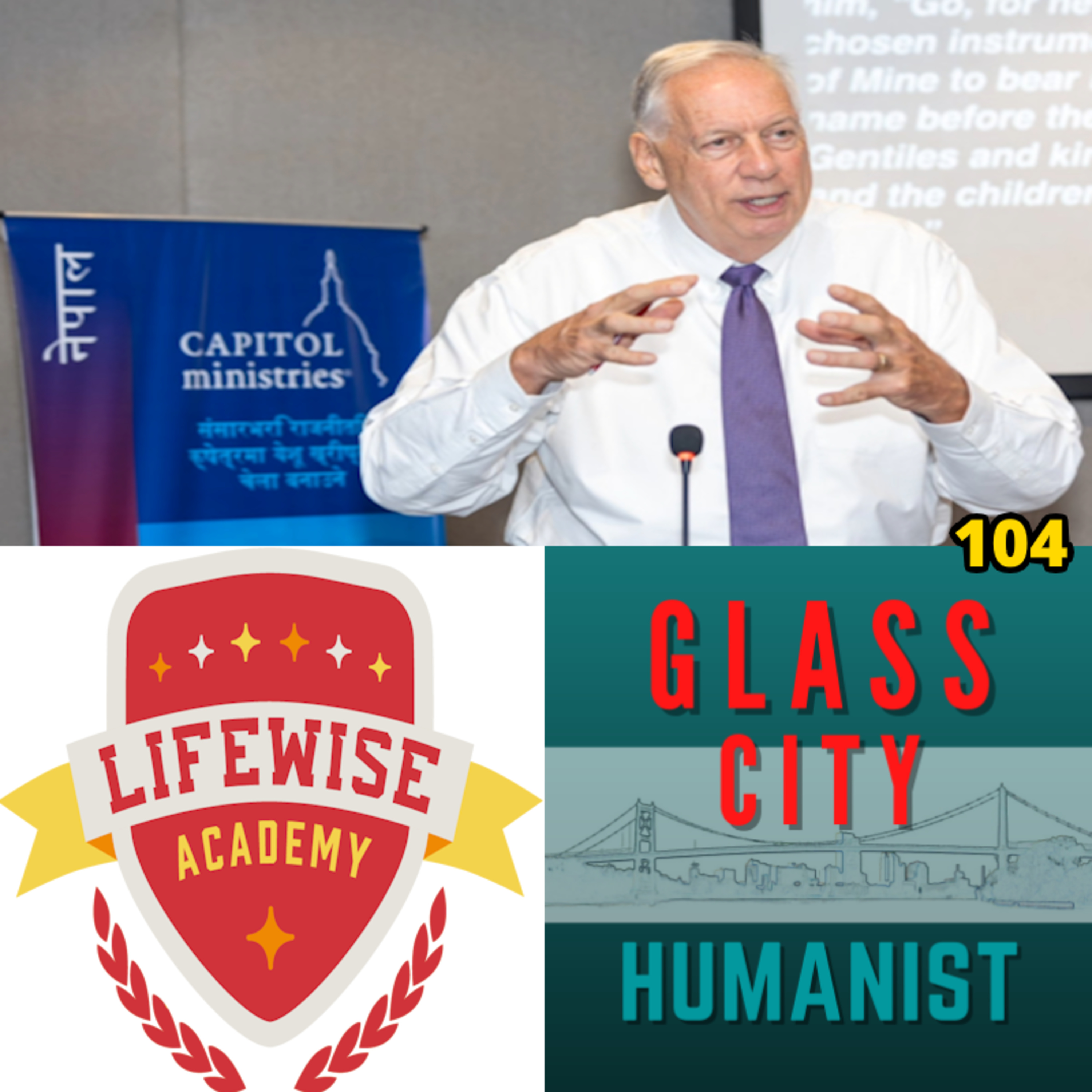
Systemic Poverty Needs Systemic Solutions: A Response to Religious Conservatives episode artwork

EPISODE · Jul 6, 2025 · 43 MIN

Systemic Poverty Needs Systemic Solutions: A Response to Religious Conservatives

from Glass City Humanist · host Douglas Berger - Humanist Advocate

A recent ruling from Franklin County has called into question the constitutionality of the Ohio EdChoice voucher program, which has long been a point of debate for its impact on public school funding. The detailed 47-page decision found that the program violates the Ohio Constitution by diverting public funds away from public schools and into private institutions, effectively creating a dual education system. This thoughtful ruling not only invites a renewed conversation about the state’s funding priorities but also sets the stage for a meaningful legal review, as proponents of the voucher system prepare to appeal. It's a critical opportunity to reflect on how we invest in education and ensure equitable access for all students.We turn our attention to a story involving LifeWise Academy, an organization promoting Bible-based educational programs in the middle of the public school day. Recently, LifeWise faced allegations of labor law violations and responded by attempting to invoke a ministerial exemption—a legal concept usually reserved for recognized religious institutions. This case raises important questions about the balance between religious freedom and employee rights, and the responsibilities organizations must uphold when operating in public education spaces. By examining these legal nuances, we can better understand the boundaries of religious exemptions and how they intersect with employment protections. It’s a chance to think critically about maintaining fairness and accountability in all institutions, regardless of their religious affiliation.Finally, we look at the broader discussions about the role of government in supporting those in need, particularly in light of views expressed by Pastor Ralph Drollinger, who leads Bible studies for members of Congress. Drollinger advocates a model where aid to the poor is first the responsibility of individuals and families, rather than the state. While this perspective emphasizes personal and community involvement, it raises important concerns about whether such a framework is sufficient to address systemic poverty. We explore the history and importance of public social safety nets and argue for their continued necessity alongside private and charitable efforts. By drawing on historical and ethical perspectives, we make the case for policies that reflect compassion, equity, and collective responsibility—ensuring that no one is left behind.01:00 News Update11:07 Update of the News Update17:21 Systemic Poverty Needs Systemic Solutions: A Response to Religious ConservativesFull Show Notes & Links UsedSubscribe to our free newsletterCheck out our merchSupport the show

A recent ruling from Franklin County has called into question the constitutionality of the Ohio EdChoice voucher program, which has long been a point of debate for its impact on public school funding. The detailed 47-page decision found that the program violates the Ohio Constitution by diverting public funds away from public schools and into private institutions, effectively creating a dual education system. This thoughtful ruling not only invites a renewed conversation about the state’s funding priorities but also sets the stage for a meaningful legal review, as proponents of the voucher system prepare to appeal. It's a critical opportunity to reflect on how we invest in education and ensure equitable access for all students.We turn our attention to a story involving LifeWise Academy, an organization promoting Bible-based educational programs in the middle of the public school day. Recently, LifeWise faced allegations of labor law violations and responded by attempting to invoke a ministerial exemption—a legal concept usually reserved for recognized religious institutions. This case raises important questions about the balance between religious freedom and employee rights, and the responsibilities organizations must uphold when operating in public education spaces. By examining these legal nuances, we can better understand the boundaries of religious exemptions and how they intersect with employment protections. It’s a chance to think critically about maintaining fairness and accountability in all institutions, regardless of their religious affiliation.Finally, we look at the broader discussions about the role of government in supporting those in need, particularly in light of views expressed by Pastor Ralph Drollinger, who leads Bible studies for members of Congress. Drollinger advocates a model where aid to the poor is first the responsibility of individuals and families, rather than the state. While this perspective emphasizes personal and community involvement, it raises important concerns about whether such a framework is sufficient to address systemic poverty. We explore the history and importance of public social safety nets and argue for their continued necessity alongside private and charitable efforts. By drawing on historical and ethical perspectives, we make the case for policies that reflect compassion, equity, and collective responsibility—ensuring that no one is left behind.01:00 News Update11:07 Update of the News Update17:21 Systemic Poverty Needs Systemic Solutions: A Response to Religious ConservativesFull Show Notes & Links UsedSubscribe to our free newsletterCheck out our merchSupport the show

NOW PLAYING

Systemic Poverty Needs Systemic Solutions: A Response to Religious Conservatives

0:00 43:03

No transcript for this episode yet

We transcribe on demand. Request one and we'll notify you when it's ready — usually under 10 minutes.

Frequently Asked Questions

How long is this episode of Glass City Humanist?

This episode is 43 minutes long.

When was this Glass City Humanist episode published?

This episode was published on July 6, 2025.

What is this episode about?

A recent ruling from Franklin County has called into question the constitutionality of the Ohio EdChoice voucher program, which has long been a point of debate for its impact on public school funding. The detailed 47-page decision found that the...

Can I download this Glass City Humanist episode?

Yes, you can download this episode by clicking the download button on the episode player, or subscribe to the podcast in your preferred podcast app for automatic downloads.
URL copied to clipboard!