
EPISODE · Apr 10, 2026 · 16 MIN
Telling our stories in ways that make us stronger by Aunty Barbara Wingard, read by Jean McMahon
from International Journal of Narrative Therapy and Community Work · host Dulwich Centre
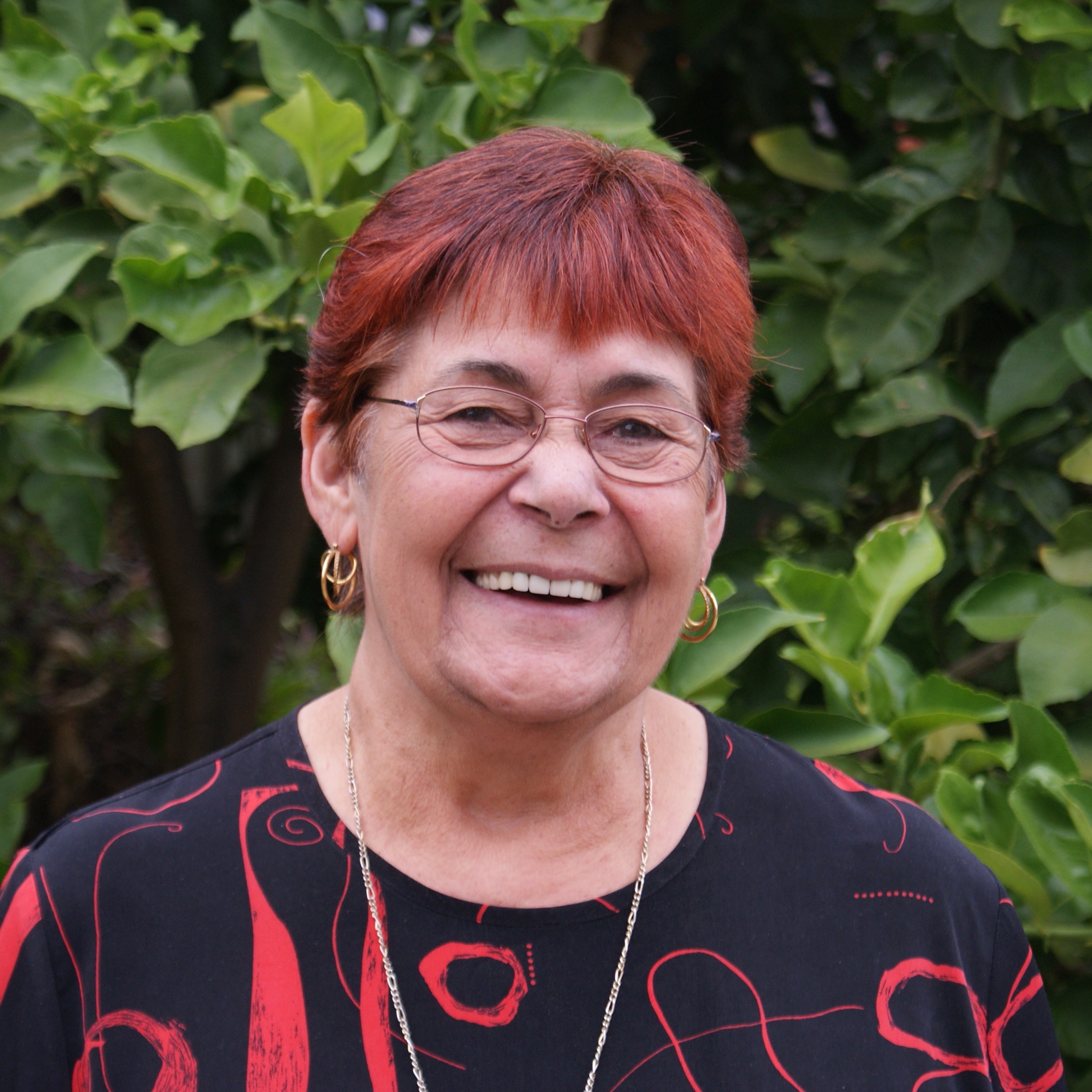
Yorta Yorta woman Jean McMahon reads this significant paper by Aunty Barbara Wingard from the archives of International Journal of Narrative Therapy and Community Work. From Aunty Barb's introduction: With Indigenous communities facing so many losses due to past and present injustice, we have been seeking ways of speaking about our grief that are consistent with our cultural ways of doing things. We are remembering those who have died, we are honouring Indigenous spiritual ways, and we are finding ways of grieving that bring us together. We are telling our stories in ways that make us stronger. This paper was originally delivered as the opening keynote address at the first International Narrative Therapy and Community Work Conference, which was held in Adelaide in February 1999. A later version of this paper was published as “Grief: Remember, reflect, reveal” in the 2001 book Telling Our Stories in Ways that Make Us Stronger (edited by Barbara Wingard and Jane Lester). *** Aunty Barbara Wingard was one of the first group of Aboriginal Health Workers trained in South Australia. She was involved with Dulwich Centre from 1994 when she played a key role in the “Reclaiming our stories, reclaiming our lives” gathering for Aboriginal families with a loved one who had died in custody. Aunty Barb was part of the teaching team at Dulwich Centre and played a key role in the centre’s engagement in community projects. She also served as Chairperson of Aboriginal Legal Rights and Commissioner for the Environmental Resources and Development Court. As an Honorary Fellow of The University of Melbourne and as a senior Kaurna Elder, Aunty Barb created the Aboriginal narrative practice online course and the Aunty Barb Walking History Journey. Well known for her influential book (with Jane Lester), Telling our Stories in Ways That Make Us Stronger, Aunty Barb was named Elder of the Year in South Australia in 2008. Jean McMahon is a proud Yorta Yorta woman living on Djaara Country in so-called Victoria. She works at Weenthunga in the women’s social and emotional wellbeing space. Jean brings 25 years of experience as a First Nations educator across community, education and health sectors. She is completing her Master of Narrative Therapy and Community Work and is ardent about collective narrative practice, decolonising justice, and healing through connection to Country. A queer woman and parent, Jean loves spending time with her loves out on Country. Original paper: Wingard, B. (1999). Telling our stories in ways that make us stronger. In Dulwich Centre Publications (Ed.), Narrative therapy and community work: A conference collection (pp. 7–12). Dulwich Centre Publications. This recording: Wingard, B. (2025). Telling our stories in ways that make us stronger (J. McMahon, Narr.) [Audio recording]. International Journal of Narrative Therapy and Community Work, (2). https://doi.org/10.4320/ZKPA8661 (Original work published 1999) Further information and downloads available at https://dulwichcentre.com.au/telling-our-stories-in-ways-that-make-us-stronger-by-aunty-barbara-wingard-read-by-jean-mcmahon/ *** International Journal of Narrative Therapy and Community Work is published by Dulwich Centre Foundation. More about this recording, and a treasure trove of articles, videos, and multimedia works, is available from https://narrativetherapyjournal.org It’s all free to access and share with no log-in required. Dulwich Centre is located on the land...
What this episode covers
Yorta Yorta woman Jean McMahon reads this significant paper by Aunty Barbara Wingard from the archives of International Journal of Narrative Therapy and Community Work. From Aunty Barb's introduction: With Indigenous communities facing so many losses due to past and present injustice, we have been seeking ways of speaking about our grief that are consistent with our cultural ways of doing things. We are remembering those who have died, we are honouring Indigenous spiritual ways, and we are finding ways of grieving that bring us together. We are telling our stories in ways that make us stronger. This paper was originally delivered as the opening keynote address at the first International Narrative Therapy and Community Work Conference, which was held in Adelaide in February 1999. A later version of this paper was published as “Grief: Remember, reflect, reveal” in the 2001 book Telling Our Stories in Ways that Make Us Stronger (edited by Barbara Wingard and Jane Lester). *** Aunty Barbara Wingard was one of the first group of Aboriginal Health Workers trained in South Australia. She was involved with Dulwich Centre from 1994 when she played a key role in the “Reclaiming our stories, reclaiming our lives” gathering for Aboriginal families with a loved one who had died in custody. Aunty Barb was part of the teaching team at Dulwich Centre and played a key role in the centre’s engagement in community projects. She also served as Chairperson of Aboriginal Legal Rights and Commissioner for the Environmental Resources and Development Court. As an Honorary Fellow of The University of Melbourne and as a senior Kaurna Elder, Aunty Barb created the Aboriginal narrative practice online course and the Aunty Barb Walking History Journey. Well known for her influential book (with Jane Lester), Telling our Stories in Ways That Make Us Stronger, Aunty Barb was named Elder of the Year in South Australia in 2008. Jean McMahon is a proud Yorta Yorta woman living on Djaara Country in so-called Victoria. She works at Weenthunga in the women’s social and emotional wellbeing space. Jean brings 25 years of experience as a First Nations educator across community, education and health sectors. She is completing her Master of Narrative Therapy and Community Work and is ardent about collective narrative practice, decolonising justice, and healing through connection to Country. A queer woman and parent, Jean loves spending time with her loves out on Country. Original paper: Wingard, B. (1999). Telling our stories in ways that make us stronger. In Dulwich Centre Publications (Ed.), Narrative therapy and community work: A conference collection (pp. 7–12). Dulwich Centre Publications. This recording: Wingard, B. (2025). Telling our stories in ways that make us stronger (J. McMahon, Narr.) [Audio recording]. International Journal of Narrative Therapy and Community Work, (2). https://doi.org/10.4320/ZKPA8661 (Original work published 1999) Further information and downloads available at https://dulwichcentre.com.au/telling-our-stories-in-ways-that-make-us-stronger-by-aunty-barbara-wingard-read-by-jean-mcmahon/ *** International Journal of Narrative Therapy and Community Work is published by Dulwich Centre Foundation. More about this recording, and a treasure trove of articles, videos, and multimedia works, is available from https://narrativetherapyjournal.org It’s all free to access and share with no log-in required. Dulwich Centre is located on the land...
NOW PLAYING
Telling our stories in ways that make us stronger by Aunty Barbara Wingard, read by Jean McMahon
No transcript for this episode yet
Similar Episodes
Mar 26, 2026 ·1m
Mar 19, 2026 ·34m
Feb 18, 2026 ·11m
Feb 11, 2026 ·45m