
EPISODE · Feb 4, 2026 · 1 MIN
The 2022 Balenciaga Scandal | 2023 Gucci Lawsuit | Groupe Artémis
from Redacted Report Podcast · host Redacted Report
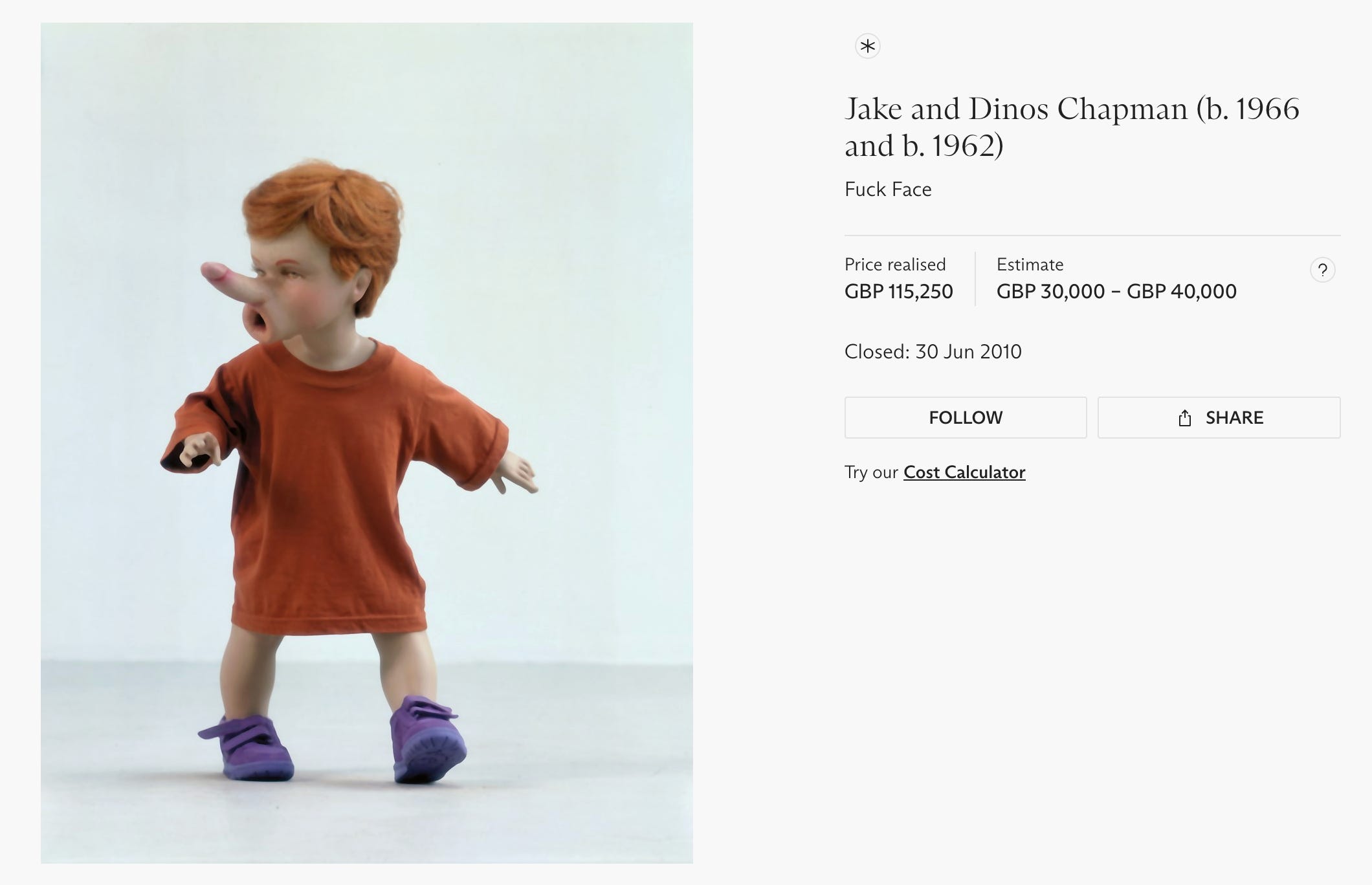
Important framing:The following summarizes claims, allegations, and statements reported in documents, not established conclusions. Where possible, document IDs are cited. No criminal guilt is asserted.Gucci, Balenciaga, Yves Saint Laurent, Bottega Veneta, and several other major luxury fashion houses are owned by Kering, a French luxury conglomerate. Kering itself is controlled by Groupe Artémis, the private holding company of French billionaire François Pinault and his family. Through Artémis’ controlling stake in Kering, the Pinault family exercises ultimate control over these brands — even though the original founding families (including the Guccis and Balenciagas) no longer have ownership or decision-making power.The 2022 Balenciaga ScandalIn late 2022, one of the fashion industry’s most provocative controversies struck the luxury brand Balenciaga. Images released for a holiday ad campaign sparked intense backlash online and in the press — with critics accusing the brand of inappropriate and sexualized content involving children. Whether you followed the story at the time or simply remember the outrage, the reality behind the headlines is worth unpacking. The Campaign That Sparked OutrageOn November 16, 2022, Balenciaga released an online promotional campaign called the “Gift Shop” collection to support its Spring/Summer 2023 offerings. The campaign featured photographs of young children holding plush teddy bears that appeared to be dressed in leather harnesses, fishnet tops, collars with locks, and other elements critics associated with BDSM (bondage, discipline, dominance/submission, sadism, masochism) culture.To many viewers, the juxtaposition of children and accessories tied visually to adult themes was disturbing and inappropriate. Social media users quickly shared the images, sparking widespread condemnation and trending hashtags calling for the brand to be “canceled.” What Balenciaga Said — And DidBalenciaga responded swiftly — first by removing the campaign from all platforms, and then by issuing public apologies. In statements posted to the brand’s Instagram Story, the company said that its plush bear bags “should not have been featured with children” and that it “strongly condemn[s] abuse of children in any form.” The brand also said it would pursue legal action against those responsible for creating and approving the photo shoot.The company’s artistic director, Demna Gvasalia, later issued a personal apology, calling the decision to feature children with the products a “wrong artistic choice.” Demna emphasized that Balenciaga never intended to convey anything related to child abuse. Balenciaga also faced scrutiny for a separate photo from a related campaign that included Supreme Court documents from United States v. Williams — a case that upheld laws against child pornography — as a background prop. The brand described the inclusion of those papers as an oversight attributable to third‑party contributors. Why the Backlash Was So IntenseSeveral factors contributed to the intensity of the public reaction:* Visual Association: Many people saw the images of children with accessories they associated with fetish culture as unacceptable, crossing social norms around the depiction of children. * Viral Outrage: Social platforms accelerated reactions, with users posting the images and expressing shock or anger within hours of their release. * Celebrity Responses: Public figures — including Kim Kardashian, who publicly said she was “shaken by the disturbing images” and reevaluating her relationship with the brand — added further attention to the controversy.The Owner Behind the Brand and His Broader HoldingsTo understand the Balenciaga scandal in context, it helps to look at who owns the company. Balenciaga is part of the portfolio of Groupe Artémis, a French holding company controlled by billionaire Francois-Henri Pinault, husband of actress Salma Hayek. The couple has been together since 2009.Groupe Artémis owns a wide array of luxury brands, including Gucci, Saint Laurent, and Balenciaga, among others. It also owns Christie’s, one of the world’s leading auction houses for fine art, christies.com.Christie’s sells everything from contemporary street art to classical paintings. But a closer look at some of the pieces auctioned through Christie’s reveals highly provocative, even controversial works. Some of these works — from artists like Jake and Dinos Chapman — include imagery that is shocking or extreme, the kind of content that might be restricted in certain countries due to its explicit nature. While Christie’s also sells widely recognized, “safer” works such as pieces by Banksy, the more provocative offerings stand out — particularly when viewed alongside Balenciaga’s past marketing missteps.This context doesn’t suggest illegal activity or direct wrongdoing on the part of Balenciaga or Groupe Artémis, but it does highlight a pattern of engagement with provocative, boundary-pushing content across Pinault’s holdings. For many observers, the Balenciaga scandal feels less like an isolated incident and more like a reflection of the broader ecosystem, where the lines between art, marketing, and shock value are frequently tested.In other words, while the public outrage around Balenciaga’s “children and BDSM” campaign was immediate and intense, the roots of the controversy can be traced, in part, to the environment and ownership of the brand — a world where provocation is often considered part of the art.Asking The Internet How They Feel About This “Art”When Shock Stops Being an AccidentThe Balenciaga controversy didn’t happen in a vacuum. It landed in a cultural moment where trust in elite institutions is already thin, and where the line between “provocative art” and poor judgment feels increasingly blurred. When children are placed next to imagery that many associate with adult fetish culture, outrage is not just predictable — it’s justified.What unsettles people most isn’t a single ad campaign, or even one brand. It’s the broader pattern: powerful institutions repeatedly pushing boundaries, apologizing after the fact, and insisting the public misunderstood their intent. Over time, those explanations lose their weight.This doesn’t require a conspiracy to be troubling. It only requires a system where shock is rewarded, oversight is lax, and accountability comes second to damage control. In that environment, “mistakes” stop feeling accidental — not because they are criminal, but because they are enabled.When brands, art institutions, and cultural gatekeepers insist they’re merely being provocative, the public is left to decide whether provocation has become a shield — one that deflects criticism rather than invites reflection.At some point, outrage fatigue sets in. But discomfort remains.And perhaps that lingering discomfort is the most honest takeaway of all.The 2023 Gucci Heiress LawsuitThere is no familial or personal connection between Alexandra Gucci Zarini and the Pinault family, and no allegation that Kering or its executives were involved in, aware of, or connected to the abuse she described.In 1999, the French luxury goods conglomerate Pinault-Printemps-Redoute (PPR) — the predecessor of what is now Kering — acquired a controlling stake in Gucci, buying about 40-42% of the company and beginning the shift away from Gucci family control.Over the next few years, PPR steadily increased its ownership, and by 2004 it owned approximately 99.4% of Gucci, completing its full takeover.Gucci today is owned by Kering, the French luxury conglomerate controlled by the Pinault family through their holding company, Groupe Artémis. Alexandra Gucci Zarini is a member of the founding Gucci family — the granddaughter of Aldo Gucci and great-granddaughter of Guccio Gucci, who established the fashion house in 1921. Her name resurfaced in public attention decades later, not because of the brand’s modern ownership, but because of a landmark sexual abuse lawsuit she brought in the United States.Zarini alleged that she was sexually abused for years as a child by her stepfather, Joseph Ruffalo, beginning in the late 1970s and early 1980s. According to her court filings and testimony, the abuse occurred while she was a minor and continued over an extended period. She has stated that fear, family pressure, and power dynamics delayed her ability to come forward.At the time the alleged abuse occurred, Gucci was still a family-controlled company, dominated by internal power struggles among Gucci heirs. This was before the brand collapsed financially and was later sold off in pieces. The Gucci family no longer controls the brand today, but during Zarini’s childhood, it remained very much a family enterprise.In 2023, a California jury found in favor of Alexandra Gucci Zarini and awarded her $115 million in damages, including compensatory and punitive damages. The verdict represented one of the largest judgments of its kind in a civil sexual abuse case. The jury concluded that her claims were credible and that the abuse had caused lasting harm. Following the verdict, the defendant claimed he was unable to pay the judgment.The case stands on its own as a survivor’s civil lawsuit — rooted in family dynamics, wealth, and access — and not as a claim against the modern corporate owners of the Gucci brand. It is a reminder that while the Gucci name has passed into the hands of a global luxury conglomerate, the unresolved consequences of what happened within the founding family still surface decades later.This Substack is reader-supported. To receive new posts and support my work, consider becoming a free or paid subscriber. Get full access to Redacted Report at redactedreport.substack.com/subscribe
Embed this episode
Ready to play
The 2022 Balenciaga Scandal | 2023 Gucci Lawsuit | Groupe Artémis
No transcript for this episode yet
Similar Episodes
No similar episodes found.