
EPISODE · Apr 18, 2026 · 49 MIN
The AMR Crisis: Why 2028 Must Be Treated as a Deadline for Public Preparedness NOW!!!
from The Dr Maya Way
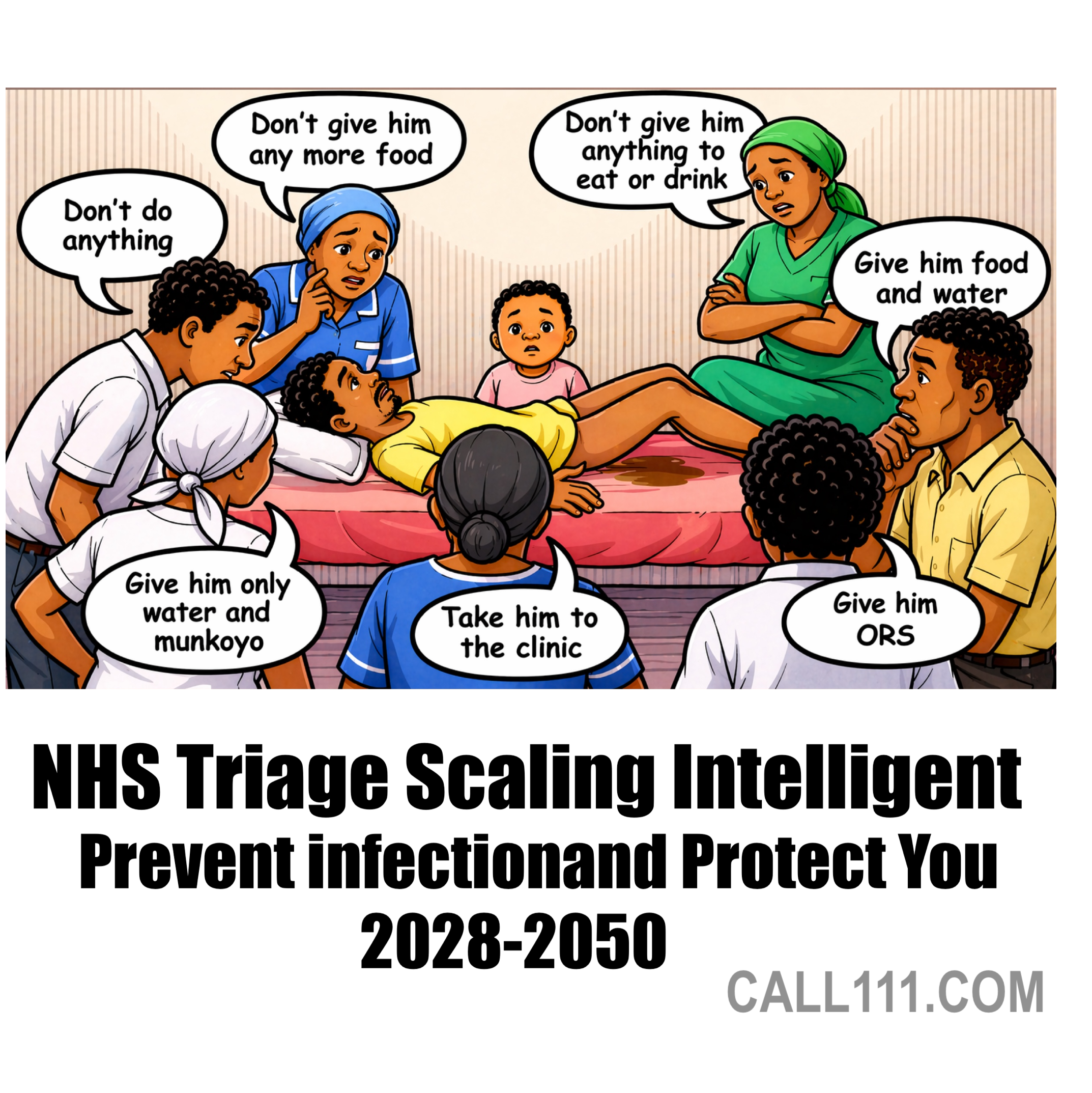
Antimicrobial resistance is no longer a distant scientific concern. It is a current and worsening failure of systems. The World Health Organisation describes AMR as one of the top global public health threats, and estimates that drug-resistant bacterial infections caused 1.27 million deaths in 2019 and were linked to 4.95 million deaths. More recent WHO surveillance warns that resistance increased in over 40% of monitored pathogen–antibiotic combinations between 2018 and 2023. I am using 2028 not as a confirmed calendar date when the world suddenly collapses, but as a practical warning marker. If current trends persist, by 2028, many communities could face a far more severe reality: more resistant infections, more colonised patients moving between hospitals and homes, increased environmental contamination in healthcare spaces, and fewer reliable treatment options. The time to develop alternatives is not when the crisis becomes obvious. It is now.The issue runs deeper than antibiotic failure alone. The real danger is colonisation. Resistant bacteria and fungi do not merely cause infections; they can quietly colonise people, equipment, surfaces, and care environments. Once this occurs on a large scale, hospitals and clinics can become amplification zones. The CDC clearly states that antimicrobial-resistant germs can spread within and between healthcare facilities. Patients, staff hands, shared devices, and environmental surfaces all become part of the chain.This is where the public has been misled for too long. Many assume that hospitals are “sterile” and thus safe by design. They are not sterile in absolute terms, and they cannot remain perfectly decontaminated at all times in real-world settings. Cleaning, disinfection, and sterilisation are vital and lifesaving, but they do not permanently prevent recolonisation in busy healthcare environments where patients, staff, equipment, and microbes are constantly moving. WHO and CDC guidance both emphasise that environmental cleaning is crucial precisely because contamination persists and needs to be addressed repeatedly.In simple terms: if the doorway is contaminated, adding high-tech equipment doesn't remove the risk.The message to the public must be simple.That front door should exist in the community. It should be accessible through smartphones people already carry. It should also take the form of specially designed kiosks placed where ordinary people live, work, travel, and hesitate before seeking care. It should reduce unnecessary exposure, not increase it. It should guide, reassure, and escalate wisely. And it should be built now, while there is still time to train behaviour before the pressure becomes unbearable.The warning signs are already present. Resistant organisms are spreading within and between healthcare facilities. Some can persist for months on surfaces. Some are not easily decolonised. Common antibiotics are losing effectiveness in more settings. This is not a moment for complacency. It is a moment for redesign.If we want to protect the public by 2028, then we must act before 2028. Not after the wards are overwhelmed. Not after routine infections become untreatable. Not after fear drives millions into the very places where colonisation risk is highest.Now.Because in the age of AMR, prevention is no longer a side strategy. It is the strategy.Continue:
Embed this episode
Ready to play
The AMR Crisis: Why 2028 Must Be Treated as a Deadline for Public Preparedness NOW!!!
No transcript for this episode yet
Similar Episodes
No similar episodes found.
Similar Podcasts
No similar podcasts found.