
EPISODE · Jan 2, 2026 · 26 MIN
The Antagonistic System: The Key to Powerful Storytelling
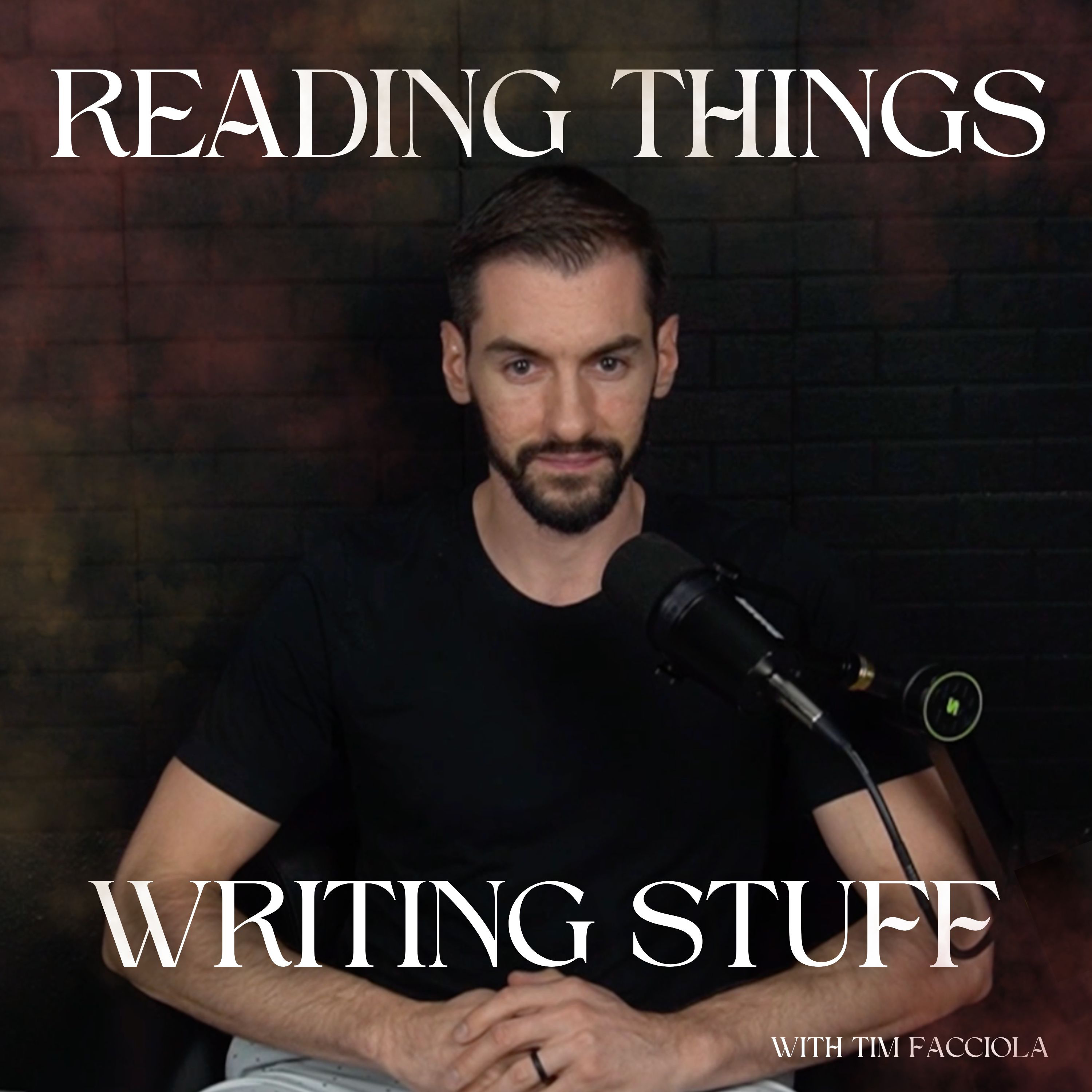
from Reading Things and Writing Stuff : Fantasy Writing, Worldbuilding & The Art of Storycraft · host Tim Facciola
In this episode…I’m breaking down the second of the two essential role functions in storytelling: the antagonistic system. Not just “the villain,” but the full network of forces—characters, institutions, beliefs, and power structures—that push back against your protagonist and create meaningful conflict.We explore why strong antagonism is genre-dependent, how stakes scale from cozy to epic, and why the antagonist doesn’t always have to be a mustache-twirling bad guy. From distant, godlike forces to intimate opposition within the protagonist’s own allies, antagonism works best when it’s layered, interconnected, and felt everywhere—even when it’s not on the page.Using examples from Mistborn, The Lord of the Rings, Red Rising, A Song of Ice and Fire, and The Fifth Season, we examine how antagonistic systems uphold the status quo, how diversion and opposition characters deepen tension, and why allies-turned-enemies create some of the most powerful moments in fiction. We also talk about harmonious stories, mystery-driven antagonism, and how role functions shift depending on perspective—because everyone is the hero of their own story.Finally, I pull back the curtain on my own work, including Eventual Realm, Goran, and Boone Blessed, to show how nested systems of conflict—political, religious, social, and divine—create pressure, theme, and momentum across an entire series.If your story feels “safe,” low-stakes, or like your protagonist doesn’t have enough to push against—this episode is for you.What an antagonistic system really is (and why it’s more than a villain)The axis of antagonism and how power imbalances raise stakesGenre expectations: cozy vs. epic vs. dark fantasyMain antagonists vs. diversion and opposition charactersConflict from within the protagonist’s own alliesAllies becoming enemies—and why it works so wellHarmonious stories and non-villain antagonistsAntagonism through perspective and moral conflictHidden antagonists in mystery-driven narrativesHow layered systems reinforce theme and meaningWhy weak antagonism leads to weak storiesMistborn: The Final Empire — Brandon SandersonThe Lord of the Rings — J.R.R. TolkienRed Rising — Pierce BrownA Song of Ice and Fire — George R.R. MartinThe Fifth Season — N.K. JemisinGoran — Tim FasaEventual Realm — Tim FasaInstagram:@timfacciola_theauthorApply to work with me:https://docs.google.com/forms/d/e/1FAIpQLSejci7iaHU3--TT8TOo82boYj7OsUIap3FscyQ4Qc2f8Z0EkQ/viewformRead A Vengeful Realm:https://www.amazon.com/dp/B0CK143ZK2Everything else:https://linktr.ee/timfacciolaWhat We Cover:Books, Shows & Series Mentioned:Connect with Tim:
What this episode covers
In this episode…I’m breaking down the second of the two essential role functions in storytelling: the antagonistic system. Not just “the villain,” but the full network of forces—characters, institutions, beliefs, and power structures—that push back against your protagonist and create meaningful conflict.We explore why strong antagonism is genre-dependent, how stakes scale from cozy to epic, and why the antagonist doesn’t always have to be a mustache-twirling bad guy. From distant, godlike forces to intimate opposition within the protagonist’s own allies, antagonism works best when it’s layered, interconnected, and felt everywhere—even when it’s not on the page.Using examples from Mistborn, The Lord of the Rings, Red Rising, A Song of Ice and Fire, and The Fifth Season, we examine how antagonistic systems uphold the status quo, how diversion and opposition characters deepen tension, and why allies-turned-enemies create some of the most powerful moments in fiction. We also talk about harmonious stories, mystery-driven antagonism, and how role functions shift depending on perspective—because everyone is the hero of their own story.Finally, I pull back the curtain on my own work, including Eventual Realm, Goran, and Boone Blessed, to show how nested systems of conflict—political, religious, social, and divine—create pressure, theme, and momentum across an entire series.If your story feels “safe,” low-stakes, or like your protagonist doesn’t have enough to push against—this episode is for you.What an antagonistic system really is (and why it’s more than a villain)The axis of antagonism and how power imbalances raise stakesGenre expectations: cozy vs. epic vs. dark fantasyMain antagonists vs. diversion and opposition charactersConflict from within the protagonist’s own alliesAllies becoming enemies—and why it works so wellHarmonious stories and non-villain antagonistsAntagonism through perspective and moral conflictHidden antagonists in mystery-driven narrativesHow layered systems reinforce theme and meaningWhy weak antagonism leads to weak storiesMistborn: The Final Empire — Brandon SandersonThe Lord of the Rings — J.R.R. TolkienRed Rising — Pierce BrownA Song of Ice and Fire — George R.R. MartinThe Fifth Season — N.K. JemisinGoran — Tim FasaEventual Realm — Tim FasaInstagram:@timfacciola_theauthorApply to work with me:https://docs.google.com/forms/d/e/1FAIpQLSejci7iaHU3--TT8TOo82boYj7OsUIap3FscyQ4Qc2f8Z0EkQ/viewformRead A Vengeful Realm:https://www.amazon.com/dp/B0CK143ZK2Everything else:https://linktr.ee/timfacciolaWhat We Cover:Books, Shows & Series Mentioned:Connect with Tim:
NOW PLAYING
The Antagonistic System: The Key to Powerful Storytelling
No transcript for this episode yet
Similar Episodes
Mar 26, 2026 ·1m
Mar 19, 2026 ·34m
Feb 18, 2026 ·11m
Feb 11, 2026 ·45m