PodParley PodParley

The Cuban Revolution

The Cuban Revolution Check out the original vid…

An episode of the Public Access America podcast, hosted by Public Access America, titled "The Cuban Revolution" was published on July 26, 2016 and runs 55 minutes.

July 26, 2016 ·55m · Public Access America

0:00 / 0:00

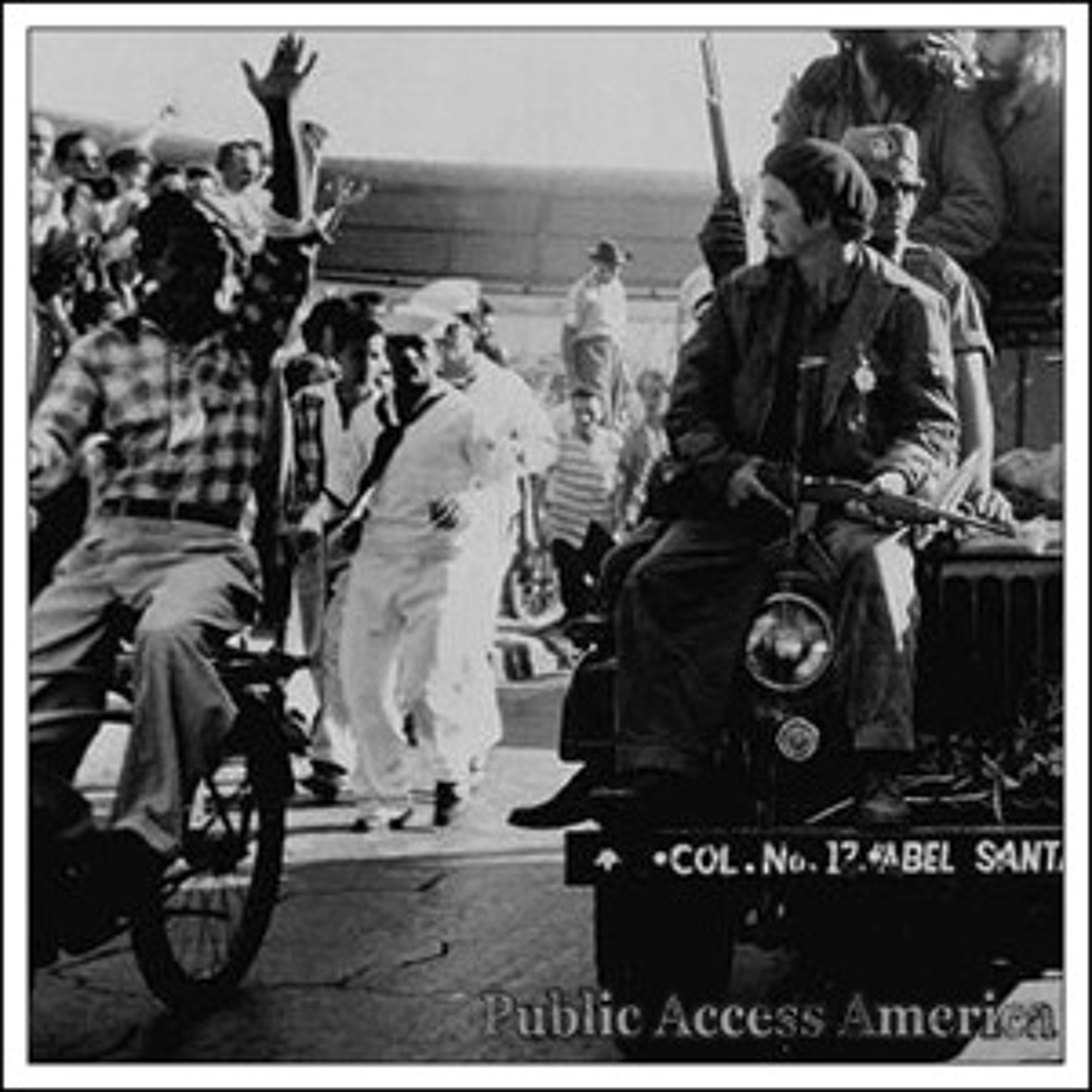
The Cuban Revolution Check out the original video broadcast at Public Access America https://youtu.be/Vmql0sB92aY The Cuban Revolution (1953–59) was an armed revolt conducted by Fidel Castro's 26th of July Movement and its allies against the U.S.-backed authoritarian government of Cuban President Fulgencio Batista. The revolution began in July 1953, and continued sporadically until the rebels finally ousted Batista on 1 January 1959, replacing his government with a revolutionary socialist state. The 26th of July Movement later reformed along communist lines, becoming the Communist Party in October 1965. The Cuban Revolution had powerful domestic and international repercussions. In particular, it reshaped Cuba's relationship with the United States. Efforts to improve diplomatic relations have gained momentum in recent years. In the immediate aftermath of the revolution, Castro's government began a program of nationalization and political consolidation that transformed Cuba's economy and civil society. The revolution also heralded an era of Cuban intervention in foreign military conflicts, including the Angolan Civil War and the Nicaraguan Revolution. In the decades following its independence from Spain in 1902, Cuba experienced a period of significant instability, enduring a number of revolts, coups and periods of U.S. military intervention. Fulgencio Batista, a former soldier who had served as the elected president of Cuba from 1940 to 1944, became president for the second time in March 1952, after seizing power in a military coup and canceling the 1952 elections. Although Batista had been a relative progressive during his first term, in the 1950s he proved far more dictatorial and indifferent to popular concerns. While Cuba remained plagued by high unemployment and limited water infrastructure,[16] Batista antagonized the population by forming lucrative links to organized crime and allowing American companies to dominate the Cuban economy. During his first term as President, Batista had been supported by the Communist Party of Cuba, but during his second term he became strongly anti-communist, gaining him political and military support from the United States. Batista developed a powerful security infrastructure to silence political opponents. In the months following the March 1952 coup, Fidel Castro, then a young lawyer and activist, petitioned for the overthrow of Batista, whom he accused of corruption and tyranny. However, Castro's constitutional arguments were rejected by the Cuban courts. After deciding that the Cuban regime could not be replaced through legal means, Castro resolved to launch an armed revolution. To this end, he and his brother Raúl founded a paramilitary organization known as "The Movement", stockpiling weapons and recruiting around 1,200 followers from Havana's disgruntled working class by the end of 1952. National Archives - Cuba - National Security Council. Central Intelligence Agency. (09/18/1947 - 12/04/1981). - This film depicts life in pre-revolutionary Cuba. It looks at Cuba from the peasant's point of view and discusses the seeds of poverty. - DVD Copied by IASL Scanner Thomas Gideon. - ARC 647298 / LI 263.431 source link https://archive.org/details/gov.archives.arc.647298 copyright link https://creativecommons.org/publicdomain/zero/1.0/ Information link https://en.wikipedia.org/wiki/Cuban_Revolution Advertising Inquiries: https://redcircle.com/brands Privacy & Opt-Out: https://redcircle.com/privacy

The Cuban Revolution Check out the original video broadcast at Public Access America https://youtu.be/Vmql0sB92aY The Cuban Revolution (1953–59) was an armed revolt conducted by Fidel Castro's 26th of July Movement and its allies against the U.S.-backed authoritarian government of Cuban President Fulgencio Batista. The revolution began in July 1953, and continued sporadically until the rebels finally ousted Batista on 1 January 1959, replacing his government with a revolutionary socialist state. The 26th of July Movement later reformed along communist lines, becoming the Communist Party in October 1965. The Cuban Revolution had powerful domestic and international repercussions. In particular, it reshaped Cuba's relationship with the United States. Efforts to improve diplomatic relations have gained momentum in recent years. In the immediate aftermath of the revolution, Castro's government began a program of nationalization and political consolidation that transformed Cuba's economy and civil society. The revolution also heralded an era of Cuban intervention in foreign military conflicts, including the Angolan Civil War and the Nicaraguan Revolution. In the decades following its independence from Spain in 1902, Cuba experienced a period of significant instability, enduring a number of revolts, coups and periods of U.S. military intervention. Fulgencio Batista, a former soldier who had served as the elected president of Cuba from 1940 to 1944, became president for the second time in March 1952, after seizing power in a military coup and canceling the 1952 elections. Although Batista had been a relative progressive during his first term, in the 1950s he proved far more dictatorial and indifferent to popular concerns. While Cuba remained plagued by high unemployment and limited water infrastructure,[16] Batista antagonized the population by forming lucrative links to organized crime and allowing American companies to dominate the Cuban economy. During his first term as President, Batista had been supported by the Communist Party of Cuba, but during his second term he became strongly anti-communist, gaining him political and military support from the United States. Batista developed a powerful security infrastructure to silence political opponents. In the months following the March 1952 coup, Fidel Castro, then a young lawyer and activist, petitioned for the overthrow of Batista, whom he accused of corruption and tyranny. However, Castro's constitutional arguments were rejected by the Cuban courts. After deciding that the Cuban regime could not be replaced through legal means, Castro resolved to launch an armed revolution. To this end, he and his brother Raúl founded a paramilitary organization known as "The Movement", stockpiling weapons and recruiting around 1,200 followers from Havana's disgruntled working class by the end of 1952. National Archives - Cuba - National Security Council. Central Intelligence Agency. (09/18/1947 - 12/04/1981). - This film depicts life in pre-revolutionary Cuba. It looks at Cuba from the peasant's point of view and discusses the seeds of poverty. - DVD Copied by IASL Scanner Thomas Gideon. - ARC 647298 / LI 263.431 source link https://archive.org/details/gov.archives.arc.647298 copyright link https://creativecommons.org/publicdomain/zero/1.0/ Information link https://en.wikipedia.org/wiki/Cuban_Revolution

Advertising Inquiries: https://redcircle.com/brands

Privacy & Opt-Out: https://redcircle.com/privacy
Tipsy Tourism Chelsea Dickenson & James Robinson Tipsy Tourism is the podcast that combines top tourist attractions with a tipple or three, hosted by cheap holiday expert Chelsea and her radio producer 'housemate' James.In each episode, the pair will start at home as Chelsea chooses the activity and James chooses what will accompany them from the drinks trolley. We'll then join them as they head out and about as they discreetly capture their whole experience for us - unearthing the lesser heard of interesting facts and finding the best places to sneak off to for a quick swig from their hip flask... Finally, we'll hear them as they settle back at home to give us the final verdict on whether this tourist attraction has bucket list potential or not. Get early access, ad free episodes and behind the scenes content Hosted on Acast. See <a style='color:grey;' Explicit Public Restrooms Please Be Offended My dad in a public restroom Explicit Martin Amis Public Events Centre for New Writing / Martin Harris Centre Discussions with leading British novelist and critic Martin Amis from the University of Manchester. Explicit Nomikai Podcast E20 Noticias Darling in the Franxx, Godzilla Resurgence Public (Podcast) - www.poderato.com/nomikaipodcast www.podErato.com Estimado Godín deje lo que este haciendo y disfrute de su dosis de onda geek para que sea el más popular de la oficina. les traemos en esta emisión reseñas de darlig in the franxx y de Godzilla Resurgence asi como la gustada seleccion de noticias robadas asi como una seleccionde canciones que están de mmmmmmmm increibles asi que relajese que se lo merece y póngale play Explicit
URL copied to clipboard!